


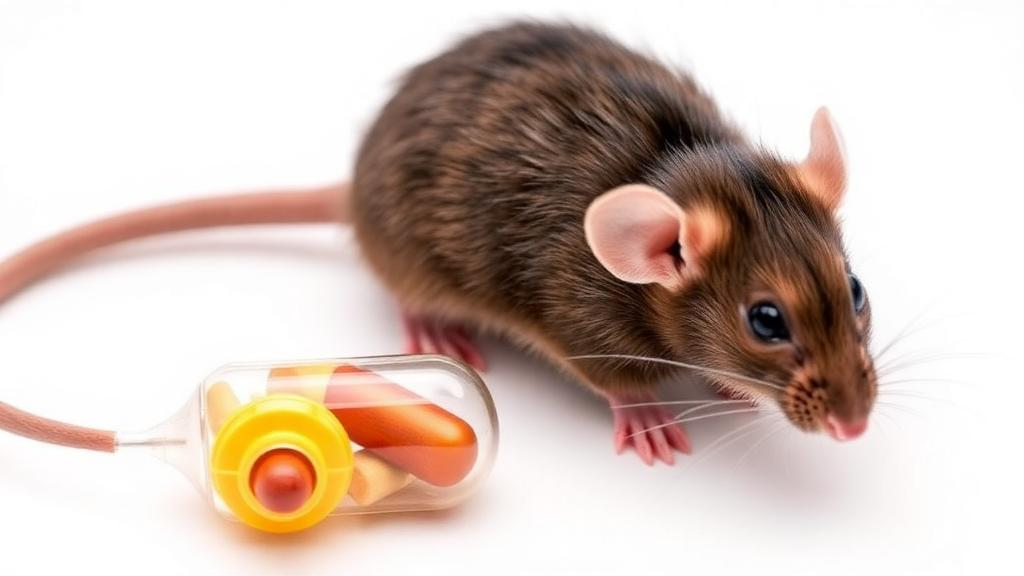
A traditional Chinese medicine capsule long used in clinical practice for cardiovascular complaints has shown a striking ability to shrink atherosclerotic plaques in mice, and a new study claims to have traced how it works: through the gut. The formula, known as Furong Tongmai capsule, or FRTM, combines eleven herbal and animal-derived ingredients, including leech, earthworm, scorpion, astragalus and licorice. In a study published in the Journal of Cellular and Molecular Medicine, researchers report that the capsule reduced plaque burden, improved blood lipids and calmed inflammation in atherosclerosis-prone mice, apparently by reprogramming the gut microbiome and, through it, the metabolism of arachidonic acid, a fatty acid at the heart of vascular inflammation.
Atherosclerosis, the slow accumulation of lipid-rich plaques inside artery walls, remains the leading driver of heart attacks and strokes worldwide. Although statins, anti-inflammatory drugs and surgical procedures have transformed treatment, the global burden of cardiovascular disease keeps climbing, and long-term drug use carries risks of liver and kidney toxicity while surgery remains costly and invasive. That gap has pushed scientists toward unconventional therapeutic targets, and few have attracted more attention than the trillions of microbes inhabiting the intestine. Over the past decade, gut dysbiosis has been linked to metabolic disorders, systemic inflammation and plaque formation, prompting researchers to ask whether traditional formulas, with their holistic orientation, might act partly through these microbial communities.
The research team, led by investigators affiliated with hospitals and universities in Hebei and Yunnan, China, tested FRTM in ApoE-deficient mice, a standard model that develops atherosclerosis when fed a high-fat diet. After eight weeks on the fatty diet, fifty mice were randomly assigned to receive saline, the cholesterol-lowering drug atorvastatin, or FRTM at three doses corresponding to the clinical human dose scaled for rodents. Treatment continued for another eight weeks. Quality control was performed with ultra-performance liquid chromatography coupled to mass spectrometry, which confirmed the presence of signature compounds such as astragaloside A, ferulic acid, puerarin and glycyrrhizic acid, ensuring the preparation matched the marketed product.
The results were unambiguous at the tissue and blood level. Histological staining of the aorta showed that untreated diseased mice had extensive endothelial damage, fibrous plaques, calcification and inflammatory infiltration, while FRTM-treated animals displayed more intact vessel structure, smoother muscle morphology and markedly smaller lesions. Oil Red O staining, which lights up lipid deposits in red, revealed a dose-dependent reduction in plaque area, with the highest dose performing comparably to atorvastatin. Serum analysis told the same story: total cholesterol, triglycerides and LDL cholesterol fell, HDL cholesterol rose, antioxidant enzymes superoxide dismutase and glutathione peroxide recovered their activity, the lipid-damage marker malondialdehyde declined, and the pro-inflammatory cytokines IL-6, IL-1 beta and TNF-alpha dropped significantly.
To probe the mechanism, the team sequenced the 16S rRNA genes of gut bacteria from the cecal contents. Atherosclerosis had visibly disrupted the microbial ecosystem, and FRTM restored it. Diseased mice showed an elevated ratio of Firmicutes to Bacteroidetes, a microbial signature often associated with metabolic disease, and this ratio fell back toward normal after treatment. At the genus level, the capsule boosted beneficial taxa including Lactobacillus, Bifidobacterium, Muribaculaceae, Faecalibaculum and Alloprevotella, while suppressing Turicibacter, a bacterium linked to dietary fat handling and weight change. Each of these organisms carries metabolic credentials: Lactobacillus strains have been shown to ease oxidative stress and modulate cholesterol metabolism, Bifidobacterium reduces visceral fat, Faecalibaculum correlates with production of anti-inflammatory short-chain fatty acids, and Alloprevotella is negatively associated with blood lipids and supports gut barrier integrity through its fermentation products acetate and succinate.
The microbial story then converged on chemistry. Untargeted metabolomics of mouse serum, using principal component and partial least squares discriminant analysis to separate groups, revealed that FRTM shifted dozens of metabolites across multiple pathways, including pyrimidine metabolism and steroid hormone biosynthesis. But one pathway stood out: arachidonic acid metabolism appeared in both the microbiota functional predictions and the metabolomic enrichment analysis, making it the shared link between the gut ecosystem and the host’s inflammatory state. Spearman correlation analysis confirmed significant associations between the FRTM-sensitive bacterial genera and the altered metabolites, suggesting the microbes and the lipid mediators were part of a single connected system.
Arachidonic acid, an omega-6 fatty acid released from membrane phospholipids, is converted by enzymes into prostaglandins, thromboxanes and leukotrienes, lipid messengers that regulate vascular tone, platelet behavior and immune responses. In the FRTM-treated mice, levels of prostaglandin E2, prostaglandin J2 and prostaglandin B2 rose, while the pro-inflammatory prostaglandin G2 and thromboxane B2 fell. That shift matters because PGE2 and PGJ2 are known to steer macrophages, the immune cells that populate plaques, away from a pro-inflammatory M1 state and toward a healing M2 state. PGJ2 activates the nuclear receptor PPAR gamma, which damps NF-kappa-B signaling and cuts production of TNF-alpha and IL-6, while PGE2 engages the EP4 receptor to promote STAT3 phosphorylation and boost the anti-inflammatory cytokine IL-10.
Western blotting and quantitative PCR in the aortas confirmed that these signaling axes had indeed moved. FRTM-treated mice showed increased PPAR gamma phosphorylation, reduced phosphorylation of the NF-kappa-B subunit P65, elevated EP4 expression and a higher ratio of phosphorylated to total STAT3. Gene expression of Il1b, Il6 and Tnfa fell while Il10 rose, and macrophage markers shifted in parallel: the M1 marker Nos2 and its protein product iNOS declined, while the M2 markers CD206 and ARG1 climbed. In short, the capsule appeared to retune both the inflammatory thermostat and the immune cell composition of the diseased artery.
The most provocative experiment came last. The researchers transplanted fecal material from FRTM-treated donor mice into recipient atherosclerotic mice twice weekly for eight weeks, without giving the recipients any drug. The transplanted microbiota partially reproduced the benefits of the capsule itself: recipients developed smaller plaques, better lipid profiles, stronger antioxidant defenses, lower inflammatory cytokines, the same favorable shifts in PPAR gamma, NF-kappa-B and STAT3 signaling, and the same tilt of macrophages toward the M2 phenotype. This suggests that the gut microbes remodeled by FRTM carry a meaningful share of the therapeutic effect, a finding consistent with earlier work showing that pro-inflammatory microbiota can accelerate atherogenesis when transferred between animals.
The authors are careful to flag the limits of their evidence. Because the transplant recipients were not pretreated with antibiotics or raised germ-free, donor microbes may have engrafted only partially, making the fecal transplant results supportive rather than definitive proof of causation. The team also did not perform pharmacological inhibition or genetic knockdown to confirm that PPAR gamma and STAT3 pathways are required for the capsule’s protection, and the aortic sections were taken at plaque-bearing levels rather than the standard aortic valve sinus plane used for precise plaque quantification. Nor did they dissect whether FRTM’s herbal constituents, such as ferulic acid and puerarin, act directly on arachidonic acid-metabolizing enzymes or indirectly through microbial metabolites like short-chain fatty acids and secondary bile acids. Still, the convergence of histology, sequencing, metabolomics, signaling analysis and transplantation paints a coherent picture: a multi-ingredient traditional formula that lowers cholesterol like a statin while simultaneously reprogramming the gut-lipid-immune axis. If future studies in germ-free models and, eventually, human trials bear this out, the humble capsule could join a growing list of therapies that treat the artery by way of the gut.
Subject of Research: Effects of Furong Tongmai capsule on atherosclerosis via gut microbiota, arachidonic acid metabolism and macrophage polarization in ApoE-deficient mice
Article Title: Furong Tongmai Capsule Ameliorates Atherosclerosis in ApoE−/− Mice by Modulating Gut Microbiota, Arachidonic Acid Metabolism and Macrophage Polarization
Article References: Lv, S., Li, H., Wang, Y., Sang, X., Wang, F., Yang, J., Fan, L., Ma, Z., Wang, L., Bian, Y., & Cui, H. (2026). Furong Tongmai Capsule Ameliorates Atherosclerosis in ApoE −/− Mice by Modulating Gut Microbiota, Arachidonic Acid Metabolism and Macrophage Polarization. Journal of Cellular and Molecular Medicine, 30(17), Article e71354. https://doi.org/10.1111/jcmm.71354
Image Credits: AI Generated
DOI: 10.1111/jcmm.71354
Keywords: atherosclerosis, gut microbiota, traditional Chinese medicine, arachidonic acid, macrophage polarization, PPAR gamma, NF-kappa-B, STAT3, fecal microbiota transplantation, metabolomics, ApoE-deficient mice, cardiovascular disease
Cite Scienmag News
Morgan Morrow. (October 1, 2026). Traditional Chinese Capsule Fights Arterial Plaque by Reshaping Gut Microbes in Mice. Scienmag. https://scienmag.com/traditional-chinese-capsule-fights-arterial-plaque-by-reshaping-gut-microbes-in-mice/
Morgan Morrow. "Traditional Chinese Capsule Fights Arterial Plaque by Reshaping Gut Microbes in Mice." Scienmag, 1 October 2026, https://scienmag.com/traditional-chinese-capsule-fights-arterial-plaque-by-reshaping-gut-microbes-in-mice/. Accessed 4 October 2026.
Morgan Morrow. "Traditional Chinese Capsule Fights Arterial Plaque by Reshaping Gut Microbes in Mice." Scienmag. October 1, 2026. https://scienmag.com/traditional-chinese-capsule-fights-arterial-plaque-by-reshaping-gut-microbes-in-mice/


