


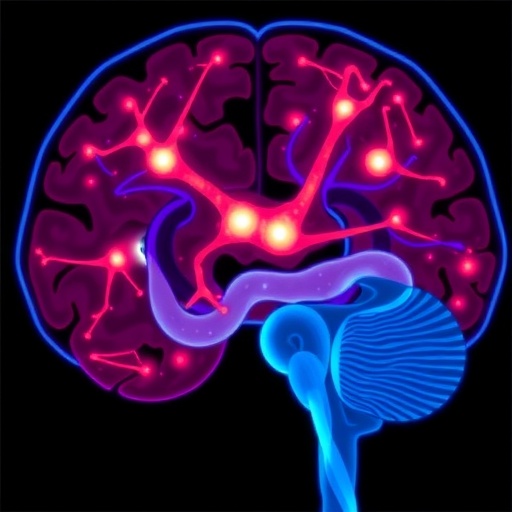
Wayne, Akcan, Faust and colleagues have reported new evidence that immune signals associated with T helper 17 cells can reshape the brain’s vascular and immune environment in a mouse model of post-streptococcal encephalitis. Published in Nature Communications, the study examines how Th17 effector cytokines influence two cell populations central to neuroinflammation: microglia, the resident immune cells of the central nervous system, and endothelial cells, which form the inner lining of blood vessels and help regulate access to brain tissue.
Post-streptococcal encephalitis is an inflammatory neurological condition that can develop after infection with Streptococcus bacteria. In this setting, the infection itself may not be the only source of harm. Instead, an immune response triggered by the original pathogen can continue to affect the nervous system after the acute infection has subsided. Understanding how this immune activity alters the brain is important because inflammation at the interface between the bloodstream and neural tissue can influence cognition, behavior, motor function and long-term neurological recovery.
Th17 cells are a specialized group of CD4-positive T lymphocytes that help protect the body against certain extracellular bacteria and fungi. They do so by releasing signaling proteins known as cytokines. These molecules coordinate immune-cell recruitment, stimulate antimicrobial defenses and alter the behavior of surrounding tissues. However, when Th17-associated signaling becomes excessive or misdirected, it can contribute to autoimmune and inflammatory disease. The new study focuses on the effects of these soluble immune mediators rather than treating inflammation as a single, uniform process.
Microglia are particularly important in this context because they serve as the brain’s rapid-response immune sentinels. Under normal conditions, they survey their surroundings and support neuronal maintenance. When they detect danger signals, microglia can change their shape, metabolism and gene-expression programs, producing inflammatory mediators and interacting with neurons, astrocytes and blood vessels. Such activation can be protective when tightly controlled, but prolonged or improperly regulated responses may damage neural networks or interfere with normal brain function.
Endothelial cells provide a different but equally important point of control. Together with supporting cells and specialized junctions, they form the blood-brain barrier, a selective interface that limits the movement of substances and immune cells from the circulation into the central nervous system. Inflammation can alter endothelial gene activity, surface adhesion molecules and barrier properties. These changes may make it easier for circulating leukocytes and inflammatory factors to reach the brain, creating a feedback loop in which vascular activation amplifies local neuroinflammation.
The central finding highlighted by the researchers is that Th17 effector cytokines induced both shared and distinct responses in microglial and endothelial cells. The shared responses indicate that the two cell types may recognize or react to common inflammatory signals, potentially coordinating a broader tissue-level response. The distinct responses are equally significant: microglia and endothelial cells do not simply perform the same inflammatory program in different locations. Their specialized functions appear to shape how each population interprets cytokine exposure and how it contributes to disease biology.
This distinction matters for the development of future treatments. A therapy designed to suppress inflammation throughout the body may not reverse the specific molecular programs activated in the brain’s immune cells or its vascular lining. Conversely, blocking a cytokine pathway that affects endothelial permeability could have different consequences from targeting a pathway that drives microglial activation. Mapping these cell-specific responses may therefore help researchers identify interventions that reduce harmful neuroinflammation while preserving the protective functions of immune surveillance and the blood-brain barrier.
The mouse model used in the work provides a controlled way to study the consequences of post-streptococcal immune activation, but the findings will require careful interpretation before they can be applied directly to patients. Mouse immune systems, brain architecture and disease progression do not perfectly reproduce human biology. Even so, models of this kind can reveal how immune signals are translated into changes within the nervous system and can help define biomarkers for future clinical studies. The work also reinforces the idea that encephalitis-associated inflammation involves communication among multiple cell types rather than a single pathological actor.
By separating the responses of microglia from those of endothelial cells, the study offers a more detailed framework for understanding how Th17-linked inflammation may affect the brain after streptococcal infection. Its implications extend beyond one condition, since similar immune and vascular interactions are relevant to autoimmune encephalitis, neuroinflammatory disorders and other diseases in which peripheral immune activity reaches the central nervous system. The findings point toward a precision approach to treatment—one that considers not only which cytokines are present, but also which brain cell populations respond, how they respond and whether those responses can be selectively moderated.
Cite Scienmag News
Cassandra Pierce. (August 11, 2026). Th17 Cytokines Trigger Shared and Distinct Microglial, Endothelial Responses in Post-Streptococcal Encephalitis. Scienmag. https://scienmag.com/th17-cytokines-trigger-shared-and-distinct-microglial-endothelial-responses-in-post-streptococcal-encephalitis/
Cassandra Pierce. "Th17 Cytokines Trigger Shared and Distinct Microglial, Endothelial Responses in Post-Streptococcal Encephalitis." Scienmag, 11 August 2026, https://scienmag.com/th17-cytokines-trigger-shared-and-distinct-microglial-endothelial-responses-in-post-streptococcal-encephalitis/. Accessed 3 September 2026.
Cassandra Pierce. "Th17 Cytokines Trigger Shared and Distinct Microglial, Endothelial Responses in Post-Streptococcal Encephalitis." Scienmag. August 11, 2026. https://scienmag.com/th17-cytokines-trigger-shared-and-distinct-microglial-endothelial-responses-in-post-streptococcal-encephalitis/


