


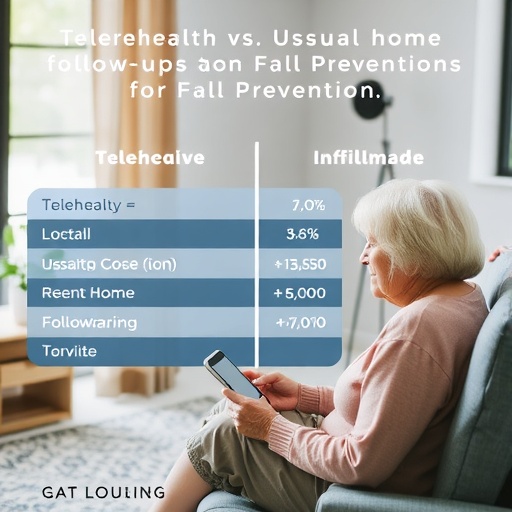
In a groundbreaking study published in the European Geriatric Medicine journal, researchers have unveiled significant insights into the care of older adults post-hospital discharge, especially those facing challenges due to fragile hip fractures. The study, led by a team including S. Pliannuom, P. Phinyo, and N. Buawangpong, focuses on the comparative efficacy of comprehensive tele-home follow-ups versus traditional home follow-ups. The implications of this research are particularly pertinent given the growing elderly population and the corresponding need for effective aftercare strategies.
Fragile hip fractures represent a critical area of concern among the aging population, as they often lead to severe health complications and a decline in quality of life. The fear of falling can exacerbate these issues, leading to increased anxiety and, in turn, social isolation for many elderly individuals. Post-discharge care plays a pivotal role in addressing this fear and ensuring that older adults regain their confidence and mobility.
The researchers designed a non-inferiority study, which sought to determine if tele-home follow-ups could achieve outcomes comparable to those of traditional home visits. This approach leverages technology to maintain contact and support for patients who may be unable to leave their homes due to mobility restrictions or other health concerns. The study methodically evaluated the outcomes over a set period to assess the effectiveness of the two follow-up strategies.
Preliminary findings indicated that comprehensive tele-home follow-ups were as effective as traditional methods in mitigating the fear of falling among older patients post-discharge. This is particularly noteworthy as it suggests that remote interventions can be a viable alternative to in-person visits, potentially easing the burden on healthcare systems while maintaining high standards of care. The convenience of telemedicine aligns well with the preferences of many seniors, who may find it more comfortable to engage in follow-up consultations from their own homes.
Moreover, the study highlights the growing importance of telehealth services in geriatric care. With increasing advancements in technology, healthcare providers are equipped to offer a wider range of services remotely. This evolution not only supports patient engagement but also fosters a more dynamic, responsive healthcare environment that can adapt to the unique needs of elderly patients.
With the implementation of tele-home follow-ups, healthcare providers can offer tailored care plans that address individual patient concerns, monitor progress more efficiently, and encourage adherence to rehabilitation protocols. The shift towards digital health solutions underscores a turning point in managing chronic conditions and facilitating recovery through innovative practices.
One of the critical factors influencing the study’s success was the engagement of multidisciplinary teams, combining medical professionals, therapists, and technology experts. Their collaborative efforts ensured that the telehealth models used were both effective and user-friendly, which is often a crucial consideration when working with older populations who might face technological barriers.
As the study continues to gather data, it promises to inform best practices for aftercare in older adults, illustrating how technology can be harmoniously integrated into traditional healthcare frameworks. With the evidence supporting the efficacy of telemedicine, more healthcare systems may begin to adopt similar models, fostering a culture of innovation within geriatric care.
Looking forward, this research could pave the way for further studies aimed at refining tele-home follow-up methodologies. The integration of wearables and AI-driven health monitoring tools could enhance the understanding of patient health dynamics and lead to even more personalized care approaches. Such innovations could significantly empower older adults, giving them greater control over their health outcomes.
This shift towards remote care solutions is not only about enhancing patient outcomes; it reflects the changing landscape of healthcare driven by the demands of an aging population and the rapid evolution of technology. Ensuring that older adults have access to comprehensive care, regardless of their physical limitations, is critical to promoting wellness and independence in this demographic.
The results of this study not only challenge conventional notions of post-discharge care but also inspire a reimagining of the patient journey within the healthcare system. Incorporating flexibility into care models can significantly enhance patient satisfaction while also addressing pressing issues such as healthcare accessibility and efficiency.
In conclusion, the research by Pliannuom et al. epitomizes an exciting advance in geriatric medicine, illustrating the potential of tele-home follow-ups as a robust strategy for mitigating the fear of falling in older adults post-discharge. The findings encourage further exploration into the benefits of amalgamating technology with traditional healthcare practices, promising a future where older populations can thrive with dignity and support.
As the healthcare sector continues to navigate the challenges posed by aging populations and evolving technology, studies like this serve as vital stepping stones toward achieving sustainable, effective care practices that resonate with the needs of our elders. The ripple effects of this research could indeed lead to a transformative shift in how we approach patient care in the coming years.
Pliannuom, S., Phinyo, P., Buawangpong, N. et al. Comprehensive tele-home follow-ups versus comprehensive usual home follow-ups to reduce fear of falling after hospital discharge in older adults with fragile hip fractures: a non-inferiority study. Eur Geriatr Med (2025). https://doi.org/10.1007/s41999-025-01284-y
Cite Scienmag News
Beatrice Stafford. (August 29, 2025). Telehealth vs. Usual Home Follow-ups for Fall Prevention. Scienmag. https://scienmag.com/telehealth-vs-usual-home-follow-ups-for-fall-prevention/
Beatrice Stafford. "Telehealth vs. Usual Home Follow-ups for Fall Prevention." Scienmag, 29 August 2025, https://scienmag.com/telehealth-vs-usual-home-follow-ups-for-fall-prevention/. Accessed 3 September 2026.
Beatrice Stafford. "Telehealth vs. Usual Home Follow-ups for Fall Prevention." Scienmag. August 29, 2025. https://scienmag.com/telehealth-vs-usual-home-follow-ups-for-fall-prevention/


