


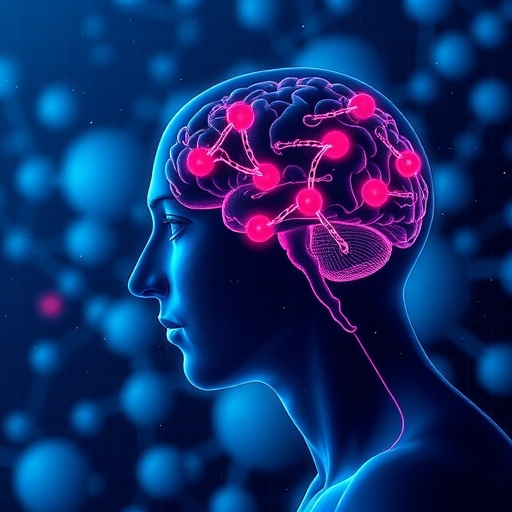
A groundbreaking clinical trial has emerged spotlighting the therapeutic potential of targeting interleukin 6 (IL-6) pathways in the treatment of depression. This pioneering randomized study offers compelling evidence that inhibiting IL-6 or its receptor may usher in a novel class of antidepressant strategies, especially for patients whose depressive symptoms are linked to inflammatory processes. IL-6, a critical cytokine in the immune system, has increasingly been recognized as a molecular lynchpin connecting inflammation and neuropsychiatric disorders, a concept that this study robustly advances.
Depression, a complex and multifactorial psychiatric condition, has traditionally been treated through neurotransmitter-focused interventions. However, a subset of patients shows resistance to these approaches, prompting researchers to investigate alternative biological underpinnings. IL-6, a pro-inflammatory cytokine, emerges as a compelling candidate due to its documented elevated presence in the serum of depressed individuals and its ability to cross the blood-brain barrier, potentially influencing central nervous system function and mood regulation.
The trial harnessed a randomized, controlled design—a gold standard in clinical research—to meticulously evaluate the effects of IL-6 and IL-6 receptor antagonism in depressed patients. This proof-of-concept investigation was not only designed to assess clinical efficacy but also to refine patient selection criteria, recognizing that not all individuals with depression might benefit equally from this immunomodulatory approach. Precision medicine, thereby, becomes central to the translation of this therapeutic avenue into clinical practice.
Inflammation’s role in psychiatric disorders has gained traction with advances in psychoneuroimmunology, and IL-6 holds particular interest given its dual role in acute-phase immune responses and chronic low-grade inflammation. The cytokine’s elevated systemic levels correlate with increased depressive symptomatology in numerous epidemiological and clinical studies, and intervening therapeutically at this juncture could modulate neuroinflammatory pathways that exacerbate mood dysregulation.
Mechanistically, IL-6 signals through its membrane-bound receptor and a soluble receptor variant, initiating intracellular cascades via the JAK/STAT pathway. This cytokine receptor interaction culminates in gene expression changes that propagate inflammatory responses. By inhibiting IL-6 or its receptor, the trial aimed to blunt these molecular cascades, thereby potentially reducing inflammatory signaling in the brain that may contribute to depressive symptoms such as anhedonia, fatigue, and cognitive impairment.
The study’s outcomes highlight intriguing clinical improvements among carefully selected patients, offering hope for a tailored immunotherapeutic modality. Notably, these preliminary findings underscore the importance of biomarker-guided treatment paradigms, where IL-6 levels or related inflammatory markers could serve as predictors of therapeutic responsiveness. Such stratification could redefine depression treatment algorithms, shifting from symptom-based to biology-based frameworks.
Beyond clinical symptom reduction, the trial sheds light on the broader neurobiological interplay between immune signaling and brain function. It bolsters a conceptual shift in psychiatry, recognizing depression as not solely a disorder of neurotransmitters but also one of systemic immune dysregulation. This integrative perspective may pave the way for synergistic treatment regimens combining traditional psychotropics with cytokine inhibitors, optimizing patient outcomes.
Moreover, the research team elucidates critical challenges in this domain, including the need for rigorous clinical trial designs that accommodate the heterogeneity of depression and inflammation. Timing of intervention, dosage optimization, and long-term safety profiles of IL-6 inhibition are pivotal areas for future inquiry. The trial functions as a critical stepping stone, inspiring both clinical and translational research endeavors aimed at innovative, biologically grounded therapies.
This study also invites a reassessment of the overarching pathophysiology of depression, encouraging researchers to explore the crosstalk between the immune system and neural circuits implicated in mood regulation. Understanding how peripheral cytokines like IL-6 influence microglial activation, neurotransmitter metabolism, and synaptic plasticity may unlock new biomarkers and therapeutic targets beyond IL-6 itself.
Crucially, the implications of IL-6 inhibition extend beyond depression, with relevance to other psychiatric and neurodegenerative disorders where inflammation plays a pathogenic role. This expands the horizon for personalized medicine strategies, wherein immunomodulation could concurrently address comorbidities that commonly embed themselves within the depressive spectrum, such as anxiety or cognitive decline.
The findings presented in this clinical trial signal a transformative phase in psychiatric treatment. By combining molecular immunology with neuropsychiatry, it showcases the power of interdisciplinary research to confront treatment-resistant depression and reduce the global health burden of mood disorders. Continued exploration and validation in larger, diverse cohorts will be paramount to cement the role of IL-6-targeted therapies in clinical psychiatry.
For further engagement, the corresponding authors Dr. Éimear M. Foley and Dr. Golam M. Khandaker can be contacted to discuss clinical insights and future research directions. Their work ushers in a paradigm that melds immunological precision with psychiatric care, promising a new dawn for patients grappling with depressive illness rooted in inflammatory biology.
News Publication Date: [Information not provided]
Web References: [Information not provided]
References: (Based on citation) 10.1001/jamapsychiatry.2026.1053
Cite Scienmag News
Glenn Wilkins. (May 20, 2026). Targeting Interleukin 6: A Promising New Approach for Treating Depression. Scienmag. https://scienmag.com/targeting-interleukin-6-a-promising-new-approach-for-treating-depression/
Glenn Wilkins. "Targeting Interleukin 6: A Promising New Approach for Treating Depression." Scienmag, 20 May 2026, https://scienmag.com/targeting-interleukin-6-a-promising-new-approach-for-treating-depression/. Accessed 3 September 2026.
Glenn Wilkins. "Targeting Interleukin 6: A Promising New Approach for Treating Depression." Scienmag. May 20, 2026. https://scienmag.com/targeting-interleukin-6-a-promising-new-approach-for-treating-depression/


