


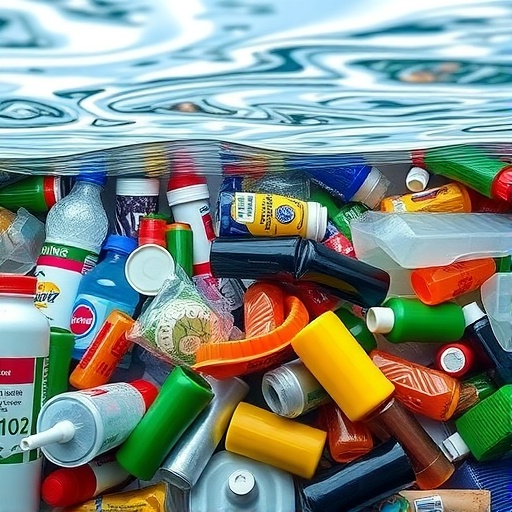
A groundbreaking global analysis has revealed that plastic food packaging, caps, lids, and plastic bottles constitute the most prevalent forms of marine litter worldwide. This pivotal study, the first of its kind to synthesize data based on usage types of marine debris, has upended conventional wisdom about the composition of plastic pollution along shorelines. By examining an unprecedented dataset comprising over 5,000 beach litter surveys across seven continents and nine ocean systems, researchers have painted a comprehensive picture of the items most responsible for littering coastal environments. Their findings, published in the journal One Earth, suggest a pressing need for targeted interventions aimed at the specific categories of plastics that dominate marine environments globally.
The meticulous synthesis of beach litter data from 112 countries covering areas inhabited by 86% of the world’s population marks a significant advance in marine pollution research. By harmonizing data gathered from diverse geographic and socio-economic contexts, the study provides a unique lens through which the global scale and nature of plastic pollution can be understood. The researchers applied a rank-based approach to assess which types of plastic pollution were most abundant in different regions, confirming a consistent pattern across disparate ecosystems and national boundaries. This extensive coverage ensures that the conclusions drawn are robust and applicable to policy-making efforts worldwide.
At the core of the research lies the revelation that food and beverage-related plastics are overwhelmingly dominant among marine litter worldwide. This category includes commonly discarded items such as plastic food wrappers, beverage bottles, and their associated caps and lids. These items were found to be in the top three most abundant litter types in 93% of countries surveyed, spanning high-population nations like India, China, the United States, Indonesia, and Pakistan. The ubiquity of these materials reflects the global penetration of single-use plastic products into everyday consumption, highlighting the scale of the challenge in mitigating their environmental impact.
The study further identified that, beyond food packaging and bottles, plastic bags and cigarette butts ranked just behind as the next most prevalent items polluting shorelines. This ordinal ranking of pollution types provides crucial guidance for the prioritization of policy and mitigation efforts. Plastic bags and cigarette butts, both typically single-use items, are notorious for their environmental persistence and potential to harm marine wildlife, emphasizing the need for multifaceted strategies that address different forms of litter.
What sets this investigation apart is its systematic review methodology, integrating data from multiple research teams and ecological contexts into one harmonized framework. Led by University of Plymouth scientists in collaboration with counterparts in Indonesia and the UK, the study exemplifies international scientific cooperation addressing planetary problems. The implications extend beyond academic understanding, translating into actionable intelligence that can inform manufacturers, regulators, and conservation organizations about the most impactful points of intervention.
From a technical viewpoint, the research leverages rank-based statistical analyses to compare the relative prevalence of litter types. This approach enables normalization of data derived from heterogeneous surveys, which may vary in scope, method, and environmental conditions, thus ensuring the integrity and comparability of findings. Moreover, the comprehensive geographic scope addresses the pervasive nature of marine plastics, demonstrating that despite cultural and economic differences, consumption patterns regarding specific plastics show remarkable global convergence.
The implications of this study are far-reaching. The estimated 20 million tonnes of plastic waste entering the environment annually highlight a systemic failure of waste management systems worldwide to contain plastic pollution. The authors emphasize that traditional waste management solutions, such as increased recycling or collection infrastructure, will be insufficient unless combined with upstream measures that reduce production and consumption of unnecessary plastics, particularly those with limited societal benefit. This calls for innovative regulatory frameworks, extended producer responsibility schemes, and consumer behavior shifts focused specifically on food and beverage packaging.
Professor Richard Thompson OBE FRS, the senior author and founder of the University of Plymouth’s International Marine Litter Research Unit, stresses the importance of this new understanding in steering global policy. According to Thompson, pinpointing the categories of plastic items responsible for most marine pollution allows for a more strategic design of interventions, concentrating resources where they can deliver the highest environmental return. The paper advances the discourse surrounding plastic pollution beyond generic warnings to targeted solutions that are feasible and measurable.
Dr. Max Kelly, lead author on the paper, acknowledges the complexity of compiling such an extensive marine litter dataset, underscoring how the effort has finally permitted a worldwide mapping of litter types by abundance. Kelly highlights that the incontrovertible evidence provided by this study elevates single-use food and drink packaging as the principal culprit in oceanic plastic pollution, marking a clear priority area for both regulatory action and public awareness campaigns. This clarity may serve as a catalyst for accelerating global initiatives to curtail marine plastic debris.
Furthermore, the study’s integration into the £3.8 million PISCES project, which aims to create ‘hope spots’ to combat plastic pollution in Indonesia, bridges local actions with global insights. Led by Brunel University and funded by the Natural Environment Research Council, PISCES exemplifies how place-based research can generate widely applicable evidence. Professor Susan Jobling, project director and co-author, emphasizes that addressing plastic pollution requires upstream solutions such as improved packaging design, reduced consumption, and robust policy enforcement, underscoring that waste management alone cannot resolve the crisis.
This landmark research represents a scientific milestone in the fight against plastic pollution, offering a clear blueprint for intervention. By focusing on the dominant contributors—food and beverage plastics—it points to where governments, industries, and communities should concentrate their efforts. It also highlights the interconnectedness of global consumption habits and environmental health, bridging ecological science with social policy and corporate responsibility. The hope is that this evidence will fuel coordinated international efforts and innovative strategies to stem the tide of plastic pollution that threatens marine ecosystems and human wellbeing worldwide.
In conclusion, while plastic waste continues to amass in ocean systems and along shorelines, this comprehensive assessment brings optimism by clearly identifying actionable targets. By understanding that a relatively narrow range of plastic items are driving the problem, the global community can pursue more effective measures that reduce production, improve product design, and promote responsible consumption. This evidence-based approach paves the way for meaningful progress in protecting marine biodiversity and preserving the integrity of coastal and marine environments for future generations.
News Publication Date: 20-May-2026
Web References: 10.1016/j.oneear.2026.101712
References: Study published in One Earth journal
Cite Scienmag News
Reese Ellison. (May 20, 2026). Global Plastic Pollution Predominantly Driven by Food and Drink Packaging Waste. Scienmag. https://scienmag.com/global-plastic-pollution-predominantly-driven-by-food-and-drink-packaging-waste/
Reese Ellison. "Global Plastic Pollution Predominantly Driven by Food and Drink Packaging Waste." Scienmag, 20 May 2026, https://scienmag.com/global-plastic-pollution-predominantly-driven-by-food-and-drink-packaging-waste/. Accessed 4 September 2026.
Reese Ellison. "Global Plastic Pollution Predominantly Driven by Food and Drink Packaging Waste." Scienmag. May 20, 2026. https://scienmag.com/global-plastic-pollution-predominantly-driven-by-food-and-drink-packaging-waste/


