


Pollution costs Uganda billions each year, but clean cooking pays for itself
A new health-economic model estimates that air and water pollution cost Uganda USD 4.34 billion annually, about 8.1 percent of ...
A new health-economic model estimates that air and water pollution cost Uganda USD 4.34 billion annually, about 8.1 percent of ...

A national survey of 1,410 Greek adults quantifies a persistent gap between high environmental awareness and weaker pro-environmental behavior, with ...
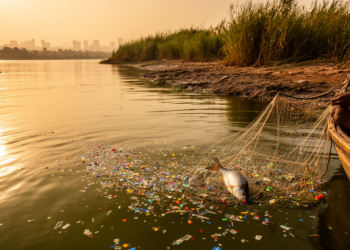
A new scoping review finds that microplastics in the Nile River carry heavy metals, organic pollutants, and antibiotics into fish ...

Researchers used early nineteenth-century military maps to reconstruct how barriers, channel straightening, and intensifying floodplain land use drove the decline ...
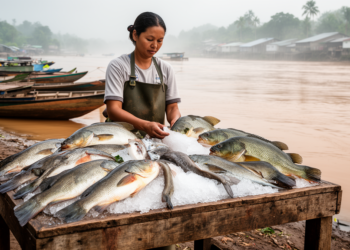
A systematic review of 52 studies finds that mercury, lead, cadmium, and chromium routinely exceed safety limits in Brazilian freshwater ...
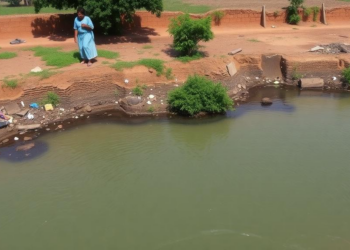
A systematic review of 46 studies shows antibiotic residues at record-breaking concentrations in Ghanaian hospital effluents and landfill leachates, with ...
An iron-modified titanium dioxide nanotube electrode combined with electricity, heat and ultraviolet light removed 92.1% of nitrobenzene from water within ...
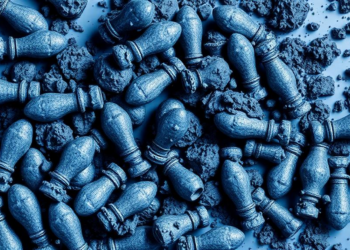
A new review in Environmental Surfaces and Interfaces surveys how abundant, inexpensive cobalt-based electrocatalysts can convert nitrate pollution into ammonia ...
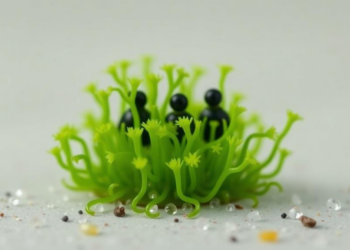
New research shows that microalgae remodel their surface microbiome under nonylphenol pollution and recruit the bacterium Brevundimonas sp. D-1, which ...
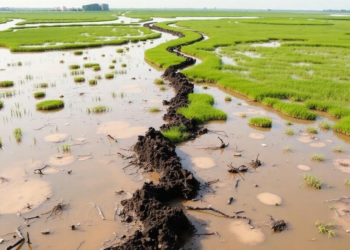
A new Water Quality Index study of the Rasik Beel Wetland Complex in West Bengal finds average water quality is ...


Embark on a thrilling journey of discovery with Scienmag.com—your ultimate source for cutting-edge breakthroughs. Immerse yourself in a world where curiosity knows no limits and tomorrow’s possibilities become today’s reality!