

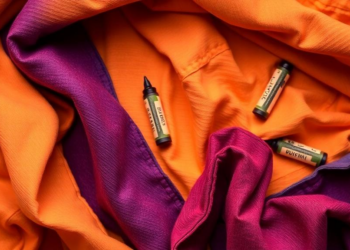
The Hidden Toxicity in Our Clothes: Why Synthetic Textile Dyes Refuse to Break Down
A new review in Environmental Science and Pollution Research synthesizes recent evidence showing that synthetic textile dyes persist in water, ...
A new review in Environmental Science and Pollution Research synthesizes recent evidence showing that synthetic textile dyes persist in water, ...

Researchers have synthesized a zinc oxide-graphene oxide nanocomposite that removes up to 97 percent of methylene blue and 94 percent ...

Researchers have created sulfur and calcium co-doped titanium dioxide nanostructures that degrade over 99 percent of crystal violet dye and ...

Researchers at the University of Johannesburg have developed non-toxic AgInS/ZnS quantum dots that detect the common antihistamine cetirizine in water ...
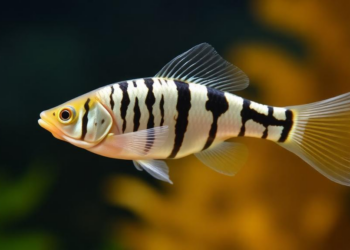
A repeated-exposure study finds adult zebrafish tolerate less than 1 mg/L of un-ionized ammonia under low-oxygen conditions, with playing, feeding ...

Researchers have built a simple electrochemical sensor from pristine MIL-53(Fe), an iron-based metal-organic framework, that detects the toxic pollutant 4-aminophenol ...

A new study of Beijing's Beiyun River system detected all 35 target antibiotics at every sampling site, with mixed urban ...

Tunisian researchers converted Mediterranean seagrass waste into an activated carbon and combined it with polyaniline to create a composite adsorbent ...

A new study shows that weathered polyethylene microplastics adsorb the herbicide 2,4-D and inflict significantly greater behavioral, regenerative, and reproductive ...

A year-long comparison of sediments in a Turkish reservoir and two streams shows that water movement, not just pollution load, ...


Embark on a thrilling journey of discovery with Scienmag.com—your ultimate source for cutting-edge breakthroughs. Immerse yourself in a world where curiosity knows no limits and tomorrow’s possibilities become today’s reality!