

Pan-cancer pro-angiogenic atlas reveals tumor-educated pericyte-driven anti-angiogenic resistance
Anti-angiogenic drugs were expected to starve tumors by cutting off their blood supply. Yet many cancers eventually adapt, finding alternative ...
Anti-angiogenic drugs were expected to starve tumors by cutting off their blood supply. Yet many cancers eventually adapt, finding alternative ...
Breast cancer remains the most frequently diagnosed malignancy among women worldwide and is responsible for more than 650,000 deaths each ...
For years, cancer research has treated tumor cells as relatively stable enemies: cells that multiply, spread and acquire resistance through ...

Breast tumours may contain hidden “hibernation zones” where cancer cells stop dividing, evade chemotherapy and wait for an opportunity to ...
A new study is turning the microscopic “how it grows” question in colorectal cancer liver metastases into a measurable molecular ...
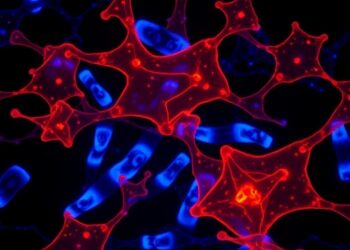
Tertiary lymphoid structures (TLSs)—immune-cell aggregates that form in many solid tumours—have been linked to better outcomes from immune checkpoint blockade. ...
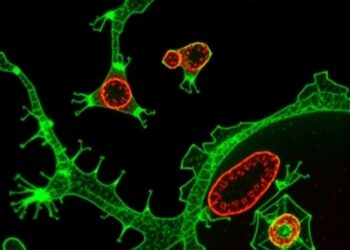
A team investigating how tumors respond to immunotherapy reports that complement component C3 plays a decisive role—but only when it ...
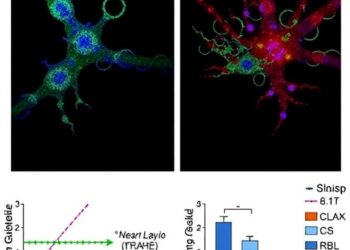
A new study in Nature Communications reveals how cancer cells can use the body’s own defenses against them. The work, ...
A groundbreaking study has unveiled new insights into the complex biology of cancer-associated fibroblasts (CAFs) within triple-negative breast cancer (TNBC), ...
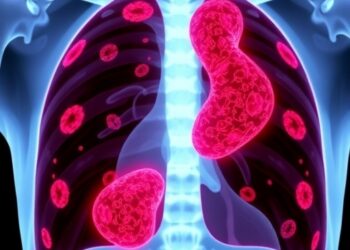
In a groundbreaking study that could have significant implications for cancer treatment, researchers have uncovered a surprising link between polyvinyl ...


Embark on a thrilling journey of discovery with Scienmag.com—your ultimate source for cutting-edge breakthroughs. Immerse yourself in a world where curiosity knows no limits and tomorrow’s possibilities become today’s reality!