

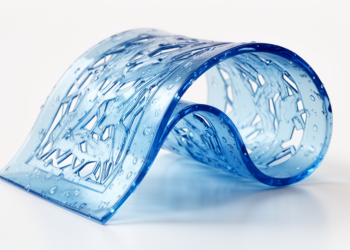
Kirigami-Inspired 4D Hydrogels Reshape Themselves Into Complex Human Tissue Forms
University of Illinois Chicago researchers have developed a 4D bio-kirigami platform in which patterned, cell-laden hydrogels autonomously bend and fold ...
University of Illinois Chicago researchers have developed a 4D bio-kirigami platform in which patterned, cell-laden hydrogels autonomously bend and fold ...
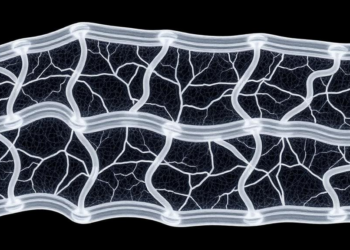
A controlled rabbit study found that a trilayer chitosan/PLGA/chitosan electrospun scaffold was safe and preserved urethral patency but did not ...
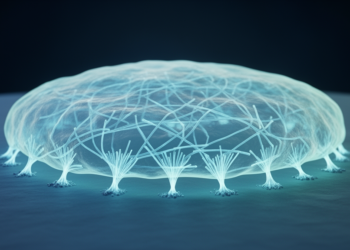
A new review in Molecular Biology Reports unifies how mechanobiological cues at cellular adhesions drive cytoskeletal reconfiguration, with implications for ...
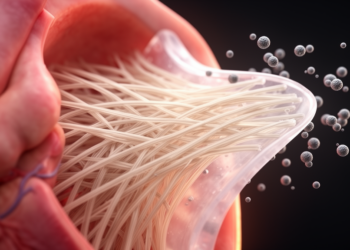
A new study from North Carolina State University shows that the biomechanical strain ratio experienced by heart valve leaflets with ...

A new review reveals how collagen's intrinsic piezoelectricity could power self-driven tissue regeneration and biosensing implants without external energy.
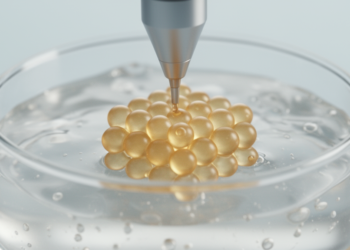
Researchers at the University of Stuttgart have developed a support-bath bioprinting method that embeds fragile mature human fat cells into ...
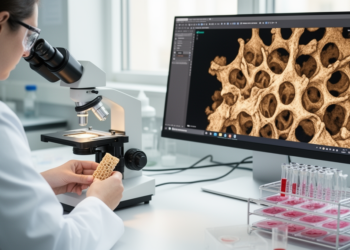
A new Frontiers in Imaging guideline integrates micro-CT and histology into one standardized workflow for assessing bone defect repair in ...
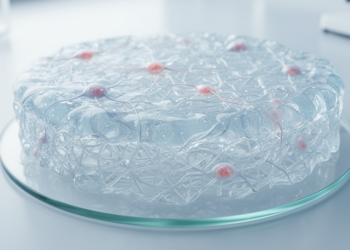
The appeal of hydrogels in regenerative medicine begins with a deceptively simple physical observation: soft tissues of the human body ...
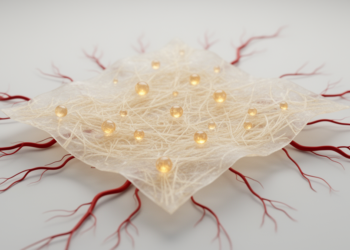
Nanovesicles embedded in decellularized bovine pericardium drive blood vessel formation in cell cultures and rescue ischemic limbs in mice, opening ...
A new review highlights how temperature-, pH-, light-, and field-responsive hydrogels are advancing wound healing, drug delivery, food packaging, and ...


Embark on a thrilling journey of discovery with Scienmag.com—your ultimate source for cutting-edge breakthroughs. Immerse yourself in a world where curiosity knows no limits and tomorrow’s possibilities become today’s reality!