

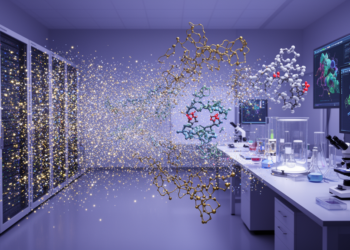
Virtual biotech deploys 37,000 AI agents across drug discovery
A Stanford-developed virtual biotech used 37,000 AI agents to analyze 50,000 trials, identify markers linked to drug success and design ...
A Stanford-developed virtual biotech used 37,000 AI agents to analyze 50,000 trials, identify markers linked to drug success and design ...
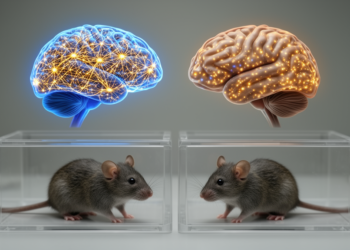
An experimental comparison of 17 autism-risk mouse lines identified two opposing brain-gene activity states that varied with sex, development and ...
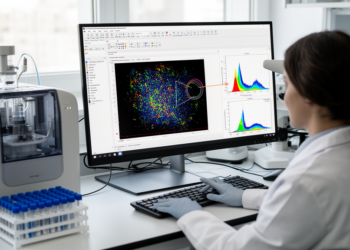
The open-access scDIG application combines feature selection, feature-weighted kernel density estimation and interactive contour-based gating to help researchers define cell ...
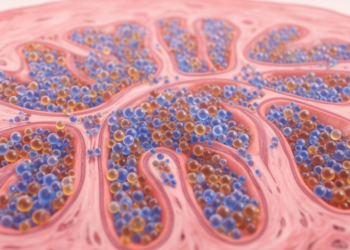
A single-cell spatial analysis found similar overall immune-cell abundance but different local organization of regulatory and helper T-cell populations in ...
Eleven studies using machine learning, single-cell profiling, imaging, liquid biopsy and clinical data identify candidate cancer biomarkers, but retrospective designs ...
A 2026 review examines altered protein-protein interactions as breast-cancer therapeutic targets and diagnostic biomarkers, while identifying heterogeneity, drug resistance, single-cell ...
A new review in the International Journal of Legal Medicine examines how single-cell isolation techniques—from laser capture microdissection to the ...
A human stem-cell model recreates early yolk sac immune development and shows that a single progenitor population can generate specialized ...

Researchers have developed SpatialZoomer, a spectral graph-based tool that automatically identifies the biologically meaningful scales in spatial transcriptomics data, revealing ...
A single-cell analysis of nearly half a million cells from pancreatic tumors reveals how evolving clones reshape their DNA to ...


Embark on a thrilling journey of discovery with Scienmag.com—your ultimate source for cutting-edge breakthroughs. Immerse yourself in a world where curiosity knows no limits and tomorrow’s possibilities become today’s reality!