

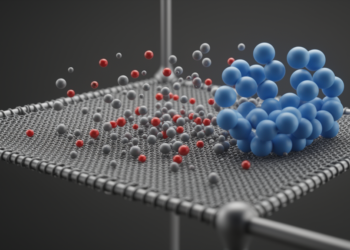
Molecularly Thin Bilayer Carbon Membranes Deliver Sharp CO2 Sieving
Graphene–amorphous carbon bilayer membranes just 2 nanometres thick combine sharp molecular sieving with CO2 permeance of up to 5,000 gas ...
Graphene–amorphous carbon bilayer membranes just 2 nanometres thick combine sharp molecular sieving with CO2 permeance of up to 5,000 gas ...
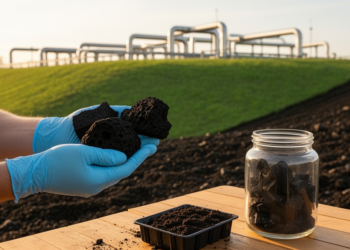
A Brazilian laboratory study finds that a 5 percent coconut husk biochar amendment reduced soil compressibility, raised cohesion, and adsorbed ...
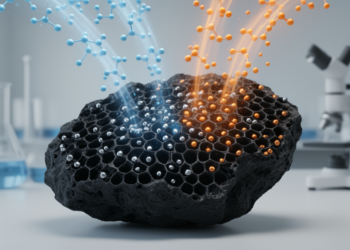
Iron catalysts supported on almond-shell biochar converted up to 87 percent of CO2 into carbon monoxide at 750 degrees Celsius ...
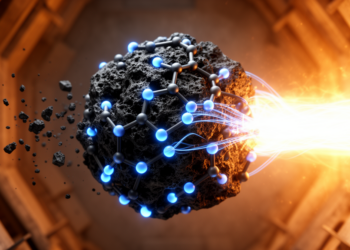
A laboratory study links faster electron transfer by dissolved black carbon to higher pyrolysis temperatures, smaller particles and shifts toward ...
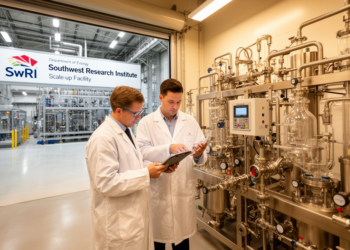
SwRI is ready to support selected bench-scale and pre-pilot chemical technology projects in a DOE program providing up to $58 ...
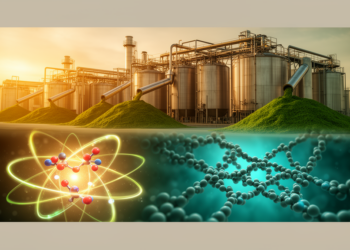
A new review maps how quantum calculations, reactive simulations, machine learning, and FAIR data infrastructure must be coupled across scales ...
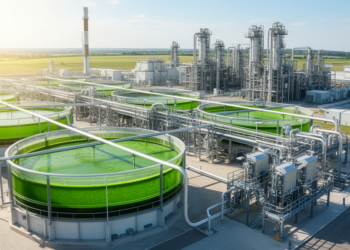
A new review synthesizes 2020-2025 advances in converting algal biomass into biodiesel, syngas, bio-oil, ethanol, biogas, and hydrogen, concluding that ...

Charred residues from a furniture waste landfill fire in Tychy, Poland, accumulated extreme concentrations of heavy PAHs and organophosphate ester ...
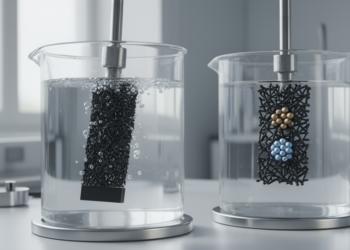
A pyrolysis method produced iron, nickel, manganese and bimetal catalysts supported on nitrogen-doped carbon, with Fe/NC and MnFe/NC showing the ...
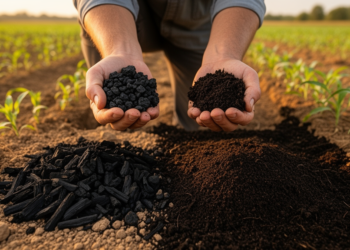
A systematic review of 156 studies shows that biochar can improve soils, immobilize contaminants and alter greenhouse-gas emissions, but its ...


Embark on a thrilling journey of discovery with Scienmag.com—your ultimate source for cutting-edge breakthroughs. Immerse yourself in a world where curiosity knows no limits and tomorrow’s possibilities become today’s reality!