

Slow-Release Alkalinity Turns Slag Cement Into a Stronger, Greener Binder
New research shows that the rate at which clinker-based activators release alkalinity, rather than the total amount supplied, controls crystal ...
New research shows that the rate at which clinker-based activators release alkalinity, rather than the total amount supplied, controls crystal ...
New research shows that trace doses of L-(+)-tartaric acid delay cement setting yet ultimately produce denser pore networks and significantly ...
Scientists combined pre-wetted shale ceramsite with limestone calcined clay cement to create a lightweight mortar that is stronger per kilogram ...
A new study shows that self-protected underwater mortar, cast in polymer-treated water, loses significant freeze-thaw durability when sulfate-rich environments accelerate ...
A new study shows that blending 40 percent Tengger Desert sand into alkali-activated slag-fly ash concrete maximizes strength and delivers ...
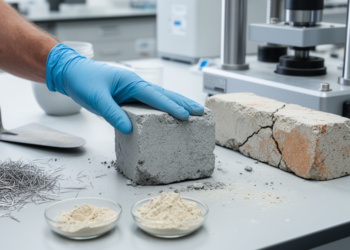
A new study shows that combining 10 percent lightweight expanded clay aggregate with 0.2 percent polypropylene fibers produces mortar that ...
New experiments and simulations show that even moderate hydrostatic pressure dramatically accelerates sulfate ingress and ettringite formation in cement paste, ...
A 180-day immersion study shows nano-silica outperforms nano-calcium carbonate in shielding cement mortar from sulfate attack, with optimal dosages of ...
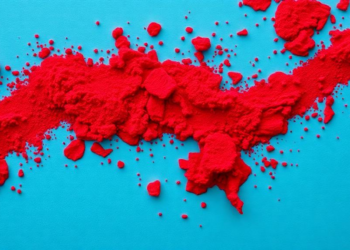
A new study shows iron oxide red pigment can strengthen colored mortar by up to 16 percent while delivering stable, ...
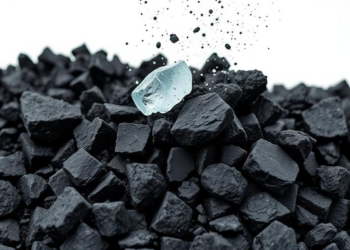
Molecular simulations of four coal ranks reveal that compressive stress nonlinearly alters methane and carbon dioxide adsorption and diffusion, with ...


Embark on a thrilling journey of discovery with Scienmag.com—your ultimate source for cutting-edge breakthroughs. Immerse yourself in a world where curiosity knows no limits and tomorrow’s possibilities become today’s reality!