

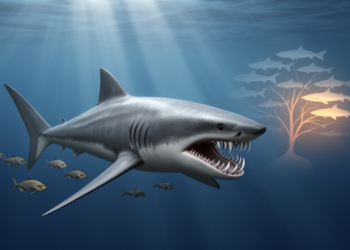
Jurassic shark with curved teeth gets a new name and a new branch on the shark family tree
A reanalysis of Jurassic shark teeth from Germany and Poland establishes a new genus, Curvorudentis, and reassigns the species from ...
A reanalysis of Jurassic shark teeth from Germany and Poland establishes a new genus, Curvorudentis, and reassigns the species from ...

Megatsunami deposits in Cabo Verde and the Canary Islands preserve glacial-age fossils showing cold-water molluscs expanded equatorward during ice ages, ...
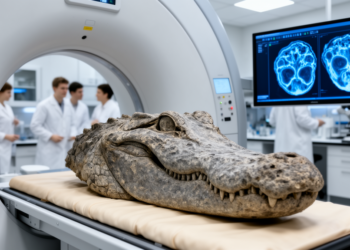
CT scans of an extinct alligatoroid reveal detailed inner skull structures, offering new insights into the sensory and cognitive evolution ...
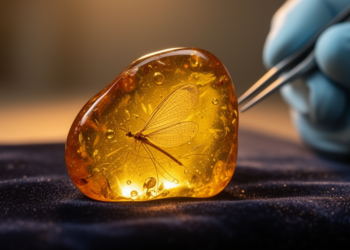
A newly described fossil mayfly from 83-million-year-old North Carolina amber is the first Baetidae known from the Cretaceous of the ...
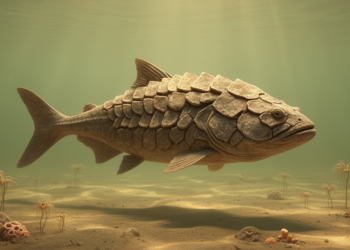
Newly collected fossils and CT scanning reveal the full anatomy of Bothriolepis yunnanensis, extending its range across the Middle Devonian ...
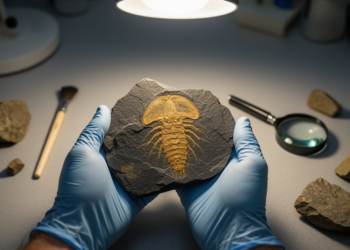
A newly described Silurian Naraoia specimen from New York State extends the range of the youngest naraoiid and, with paleo-elevation ...
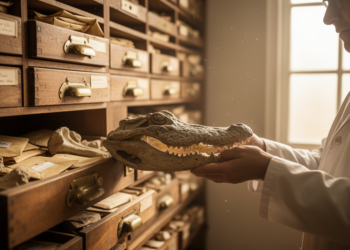
A re-description of crocodile fossils collected in Patagonia in 1924 confirms their status among the oldest known members of the ...
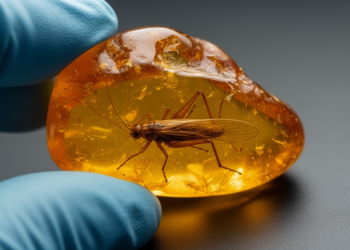
A 99-million-year-old cricket trapped in Kachin amber sports unusually stout legs on all three pairs, suggesting it crawled rather than ...
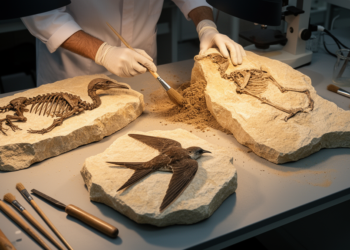
Fossils from the 11.6-million-year-old Hammerschmiede clay pit in southern Germany reveal a new short-beaked stem group cormorant, an unusual ancient ...
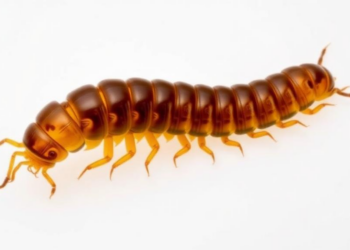
A 98-million-year-old millipede preserved in Myanmar amber has been identified as the first fossil member of the rare sucking millipede ...


Embark on a thrilling journey of discovery with Scienmag.com—your ultimate source for cutting-edge breakthroughs. Immerse yourself in a world where curiosity knows no limits and tomorrow’s possibilities become today’s reality!