


Earth’s oceans may have been forged from a rain of dry pebbles
Laboratory experiments show that dry silicate pebbles falling through a hot hydrogen atmosphere can generate oceans of water while also ...
Laboratory experiments show that dry silicate pebbles falling through a hot hydrogen atmosphere can generate oceans of water while also ...

New research shows that global warming will dramatically weaken the South Asian summer monsoon's remote control over Mediterranean summer climate, ...

Seafloor mapping shows the centre of Tonga's Hunga volcano collapsed by over one kilometre during the 2022 eruption, displacing 8.9 ...
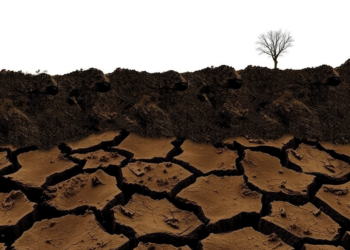
New research shows that depletion of moisture in deep soil layers, rather than surface drought alone, drives severe and lasting ...
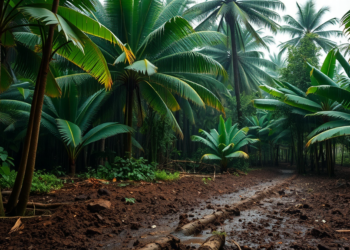
A twenty-year satellite analysis of more than 142,000 drought events reveals that rainfall and soil phosphorus jointly determine whether tropical ...
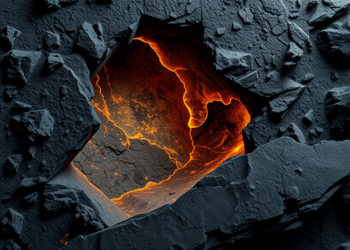
Experiments under lowermost mantle conditions have produced two dense hexagonal iron oxyhydroxides that may sequester water and explain ultralow-velocity zones ...

New research shows the soot fraction of human black carbon emissions has more than doubled since 1750, making today's black ...
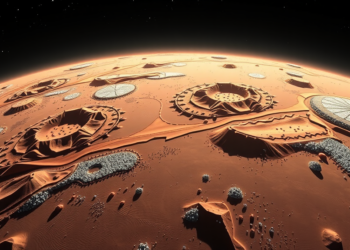
New Lagrangian simulations reveal that Mars's single-cell Hadley circulation acts as both a barrier and a bridge, isolating atmospheric material ...

A long-term field study shows moss-dominated biocrusts retain winter snowpack in cold deserts, sustaining soil biogeochemistry and microbial carbon cycling ...

A University of Hong Kong-led study shows that warming-induced atmospheric dryness suppresses tropical cyclone rainfall efficiency, explaining why climate models ...


Embark on a thrilling journey of discovery with Scienmag.com—your ultimate source for cutting-edge breakthroughs. Immerse yourself in a world where curiosity knows no limits and tomorrow’s possibilities become today’s reality!