


Biochar and River Mud Recycling Cut Emissions in Traditional Silk Dyeing
A field-based life cycle assessment shows that recycling iron-rich river mud and converting dye yam residues into biochar can turn ...
A field-based life cycle assessment shows that recycling iron-rich river mud and converting dye yam residues into biochar can turn ...

Researchers demonstrate that aqueous extracts from common bean leaves can dye silk and jute fabrics with substantial color depth and ...
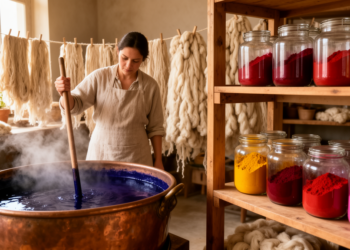
A review of 41 studies finds natural dyes are gaining ground in textiles but are likely to remain alternatives to ...

A new review examines how pigments from fungi, bacteria and microalgae could replace synthetic food dyes, and what obstacles remain.
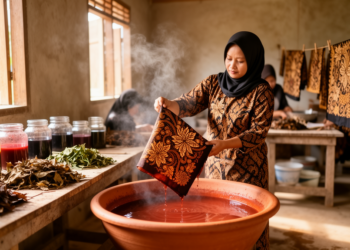
An ethnographic study of Minangkabau clay batik artisans in West Sumatra finds that participants associate natural dyeing with greater skin ...
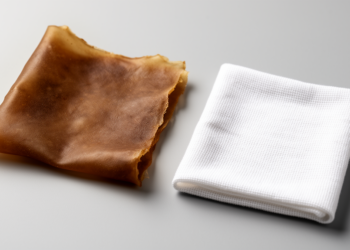
A new study dyed kombucha-derived bacterial cellulose fabric with coffee waste, gardenia pods and sappan wood, finding the natural dyes ...
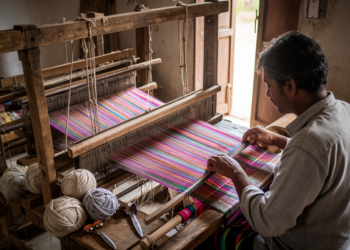
A cross-sectional study of 32 Indian handloom regions found that greater local income precarity was associated with more cooperative participation, ...
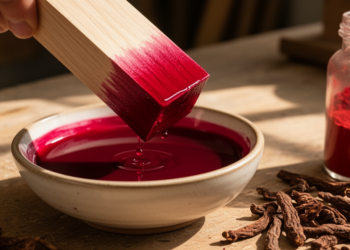
Quantum chemical calculations show that the historic natural dye alizarin combines vivid orange-red color, structural stability, and a favorable predicted ...

Researchers have encapsulated fragile gardenia yellow pigment inside a zinc L-aspartate bio-metal-organic framework to create a stable solid hybrid pigment ...

Researchers have shown that a natural yellow dye from the weld plant can be built directly into cellulose acetate nanofibers ...


Embark on a thrilling journey of discovery with Scienmag.com—your ultimate source for cutting-edge breakthroughs. Immerse yourself in a world where curiosity knows no limits and tomorrow’s possibilities become today’s reality!