


Disposable coffee cups shed trillions of tiny plastic particles daily, hazard screen finds
A new study estimates disposable coffee cups could shed up to 2.74 × 10¹¹ submicron plastic particles per person daily ...
A new study estimates disposable coffee cups could shed up to 2.74 × 10¹¹ submicron plastic particles per person daily ...

Year-long monitoring on Everest's northern slope shows atmospheric microplastics and nanoplastics arriving continuously through both short-range and long-range transport.

A mouse study finds chronic polystyrene nanoplastic exposure promotes colorectal tumorigenesis by depleting a protective gut bacterium and weakening Th17 ...
A new perspective argues that coordinating European research infrastructures is the key to overcoming fragmentation in micro- and nanoplastic research.

A new review proposes the CLEAN framework—Cut, Lock, Extract, Amend, Network—as a prevention-driven One Health roadmap for managing microplastic pollution ...
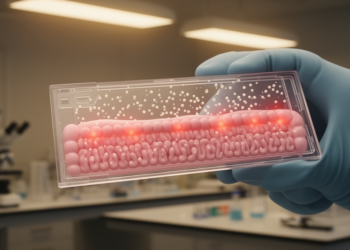
A Caco-2 spheroid and organ-on-a-chip study reports that 20 nm polystyrene nanoplastics induced oxidative, inflammatory, and epithelial-associated alterations in a ...
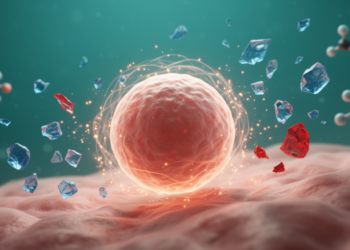
A new review synthesizes animal and human evidence suggesting that micro- and nanoplastics may impair oocyte development through several molecular ...
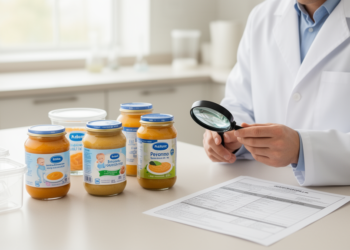
A systematic review finds critical methodological gaps in exposure estimates for microplastics, nanoplastics and oligomers in infant food.
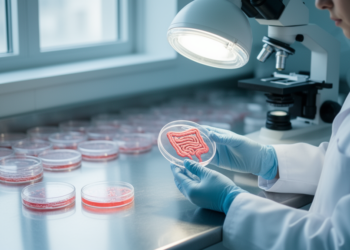
A scoping review of 90 studies finds intestinal micro- and nanoplastic research heavily concentrated in Caco-2 in vitro models, polystyrene ...
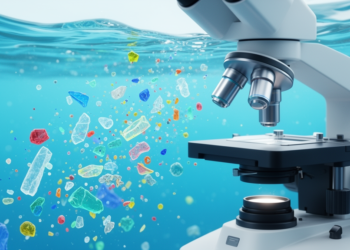
A bibliometric analysis of 2,068 publications from 2009 to 2025 finds that micro- and nanoplastics research has surged in recent ...


Embark on a thrilling journey of discovery with Scienmag.com—your ultimate source for cutting-edge breakthroughs. Immerse yourself in a world where curiosity knows no limits and tomorrow’s possibilities become today’s reality!