

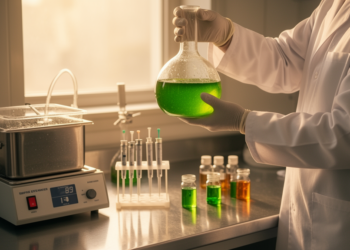
Surfactants and Temperature Steer Which Microalgal Compounds End Up in Extracts
A new study shows that surfactant choice and temperature tune both the yield and the chemical profile of ethanol-based extracts ...
A new study shows that surfactant choice and temperature tune both the yield and the chemical profile of ethanol-based extracts ...
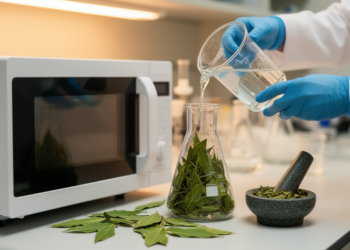
A new study reveals that solvent choice in microwave-assisted extraction of Indonesian bay leaf rewrites the physics of the process, ...
Vietnamese researchers optimized microwave-assisted extraction of polyphenols and saponins from discarded Musa balbisiana banana corms and tentatively identified quercetin as ...
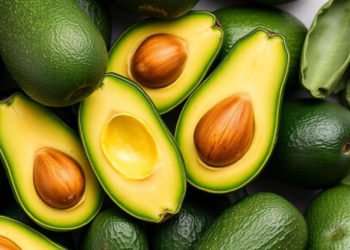
Researchers combined supercritical CO2, a food-grade deep eutectic solvent, and microwave heating to recover highly soluble, antioxidant-rich protein from avocado ...
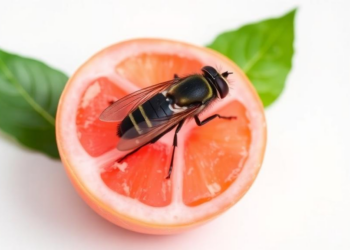
An optimized microwave-assisted extract from discarded pomelo peel restored lifespan, climbing ability, and muscle fiber formation in fruit flies and ...
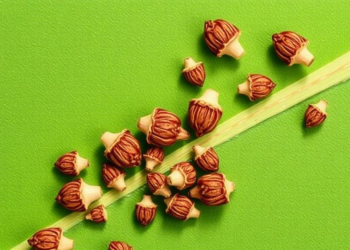
Leaf extracts from fringed rue and narrow-leafed ash, obtained with green extraction methods, strongly inhibit cereal Fusarium fungi including the ...
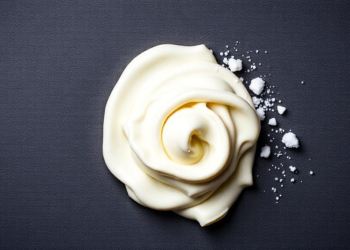
Microwave-assisted extraction leaves lupin protein partially unfolded, dramatically boosting its Maillard conjugation with prebiotic galacto-oligosaccharides and yielding superior foaming, emulsifying ...
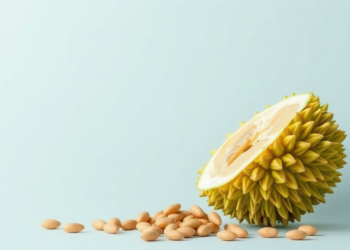
A critical review finds that durian seeds, a major processing waste stream, show real promise as a novel pectin source, ...
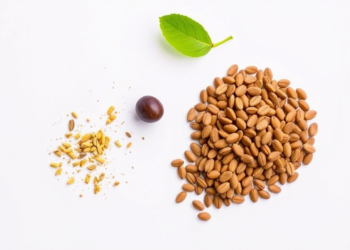
A head-to-head laboratory comparison shows Triphala excels as an antioxidant while Punarnava delivers stronger anti-inflammatory activity, suggesting the two Ayurvedic ...
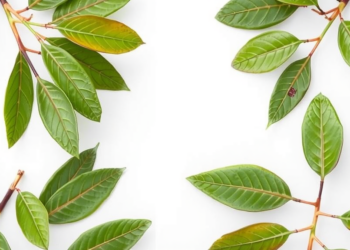
Researchers in Lahore optimized microwave-assisted extraction of phenolic and antioxidant compounds from Eucalyptus citriodora leaves using hydrophilic and hydrophobic natural ...


Embark on a thrilling journey of discovery with Scienmag.com—your ultimate source for cutting-edge breakthroughs. Immerse yourself in a world where curiosity knows no limits and tomorrow’s possibilities become today’s reality!