

Lab tests: microscale iron reduces rice arsenic but boosts methane
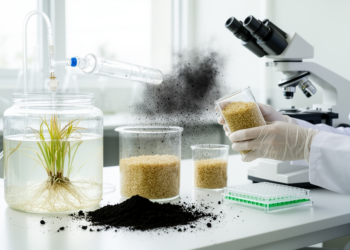
A controlled microcosm and greenhouse rice study found that microscale zero-valent iron reduced arsenic in grain by 34% while increasing ...
A controlled microcosm and greenhouse rice study found that microscale zero-valent iron reduced arsenic in grain by 34% while increasing ...

Ghent University researchers show that Methylomonas methanica co-cultured with Komagataella phaffii can outgrow the industrial standard Methylococcus capsulatus and reach ...
A new opinion paper in Plant and Soil proposes that silicon fertilization reshapes paddy soil microbes to suppress methane emissions ...
A study of 79 African lakes shows that methane-oxidizing bacteria, boosted by phytoplankton and wetland inputs, consume more than 70 ...
A five-year field and laboratory study shows that incorporating half of the harvested rice straw boosts paddy soil fertility while ...
A year-round study of three crater lakes on Flores Island in the Azores shows that microbial communities and seasonal lake ...
A University of Liège study of 79 African lakes shows that methanotrophic bacteria living on microalgae consume more than 70 ...
New field measurements in a subtropical Australian rainforest show that soil methane fluxes can swing from a sink to a ...

Embark on a thrilling journey of discovery with Scienmag.com—your ultimate source for cutting-edge breakthroughs. Immerse yourself in a world where curiosity knows no limits and tomorrow’s possibilities become today’s reality!