

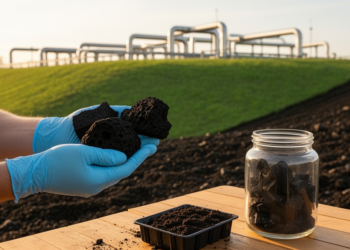
Coconut Husk Biochar Shows Promise for Trapping Landfill Gases in Soil Covers
A Brazilian laboratory study finds that a 5 percent coconut husk biochar amendment reduced soil compressibility, raised cohesion, and adsorbed ...
A Brazilian laboratory study finds that a 5 percent coconut husk biochar amendment reduced soil compressibility, raised cohesion, and adsorbed ...
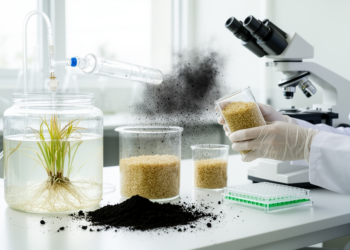
A controlled microcosm and greenhouse rice study found that microscale zero-valent iron reduced arsenic in grain by 34% while increasing ...

A descriptive network analysis of 48 climate-smart agriculture organizations and associations in Iran’s Sistan and Baluchestan Province found moderate to ...

A new opinion paper in Plant and Soil proposes that silicon fertilization reshapes paddy soil microbes to suppress methane emissions ...
A new perspective argues that dosing biochar by mass rather than by delivered functional capacity is the hidden reason soil ...

A three-season field study in Vietnam shows that alternate wetting and drying irrigation cuts methane production potential by roughly 62 ...
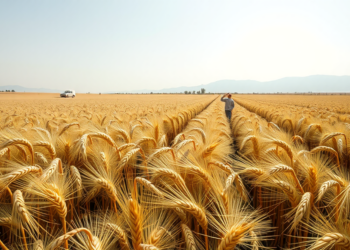
A Moroccan field trial found that switching from urea to nitrate-based fertilizers cut nitrous oxide emissions from drip-irrigated wheat nearly ...
Agriculture may soon gain a new line of defense against one of the most potent greenhouse gases ever released from ...

In the relentless pursuit of sustainable energy solutions, researchers have long sought innovative methods to convert greenhouse gases like methane ...

The devastating effects of wildfires are undeniable. From the scorched remains of homes and forests to the irreparable loss of ...


Embark on a thrilling journey of discovery with Scienmag.com—your ultimate source for cutting-edge breakthroughs. Immerse yourself in a world where curiosity knows no limits and tomorrow’s possibilities become today’s reality!