


Frequent Wildfires Alter Forest Structure and Create Distinct Fire Behavior Patterns
A study in southeastern Australia shows that shortened fire intervals transform eucalypt forests into shrub-dominated ecosystems with lower surface flammability ...
A study in southeastern Australia shows that shortened fire intervals transform eucalypt forests into shrub-dominated ecosystems with lower surface flammability ...

An analysis of 504 items from El Tiempo and El Espectador found that 71 percent of automatically classified text fragments ...

A 34-year analysis of China's Central Yunnan Plateau finds that burned area declined sharply in wildland–cropland interfaces after a 2010 ...
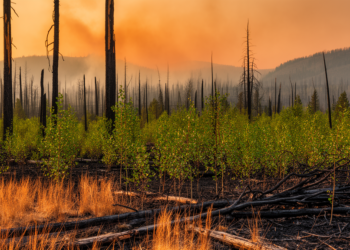
A large-scale analysis of 755 western U.S. forest reburns shows that prior fire only dampens subsequent burn severity temporarily, with ...
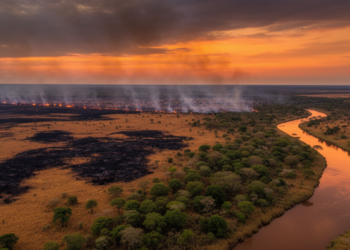
A twelve-year satellite analysis of Mozambique's Niassa Special Reserve finds that nearly 70 percent of the landscape burned more than ...
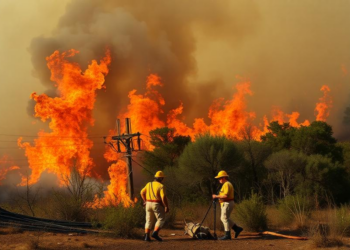
Three veteran wildfire social scientists argue in Fire Ecology that the field's rapid growth demands renewed agreement on methodological rigor, ...
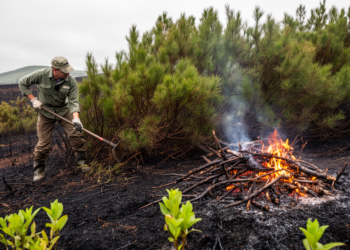
A three-year field study in central Portugal shows that Slash and Slash & Burn treatments significantly reduce post-fire seedling recruitment ...
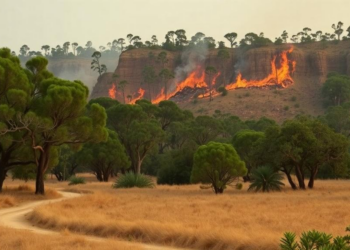
A millennium-long sediment record from Croajingolong National Park shows that the end of Gunaikurnai cultural burning after British colonisation drove ...

A new study combining CMIP6 climate projections with high-resolution fire spread simulations finds that wildfire danger days and annual burned ...


Embark on a thrilling journey of discovery with Scienmag.com—your ultimate source for cutting-edge breakthroughs. Immerse yourself in a world where curiosity knows no limits and tomorrow’s possibilities become today’s reality!