

Low-Dose Copper Treatment Against Zebra Mussels Shows Limited Harm to Lake Life
A four-year field study in Lake Minnetonka found that a low-dose copper molluscicide suppressed zebra mussels while most nontarget organisms, ...
A four-year field study in Lake Minnetonka found that a low-dose copper molluscicide suppressed zebra mussels while most nontarget organisms, ...

A fully crossed laboratory study shows that microplastics sharply increase the mortality of bumblebees exposed to environmentally relevant ozone and ...
A new study shows that ammonia-based caramel food colourants cause tissue damage and oxidative stress in Mediterranean mussels, with Caramel ...

A new study shows that embeddings from a pretrained chemical language model nearly match classical QSAR methods in predicting which ...
A comprehensive review reveals how cytochrome P450 enzymes in fish simultaneously detoxify aquatic pollutants and regulate hormones, making them powerful ...
A new review synthesizes decades of research showing that woodlice accumulate heavy metals in their hepatopancreas at extraordinary concentrations, making ...
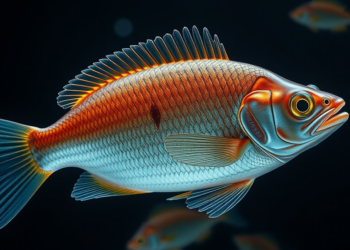
A commercial azoxystrobin-tebuconazole fungicide mixture impairs survival, heart rate, embryonic movement, and shoaling behavior in zebrafish at concentrations found in ...

The editorial board of Springer Nature's open access journal Discover Toxicology maps the field's technical frontiers, from AI-driven predictive toxicology ...
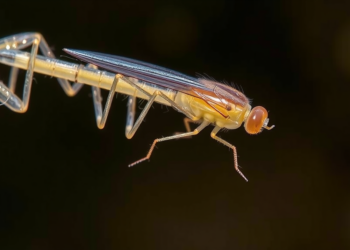
A new study shows that the cyanobacterial toxin microcystin-LR causes significant DNA damage and disrupts oxygen transport and antioxidant defenses ...
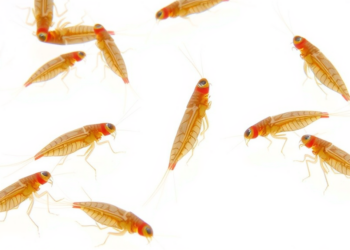
A new study finds the bisphenol A alternative tetramethyl bisphenol F is more acutely toxic than BPA and other analogues ...


Embark on a thrilling journey of discovery with Scienmag.com—your ultimate source for cutting-edge breakthroughs. Immerse yourself in a world where curiosity knows no limits and tomorrow’s possibilities become today’s reality!