


Soil bacterium degrades high-concentration erythromycin through intracellular enzymes
A newly isolated soil bacterium, Paracoccus kondratievae 6H01, degraded 35.58 percent of erythromycin at 320 milligrams per liter within 72 ...
A newly isolated soil bacterium, Paracoccus kondratievae 6H01, degraded 35.58 percent of erythromycin at 320 milligrams per liter within 72 ...
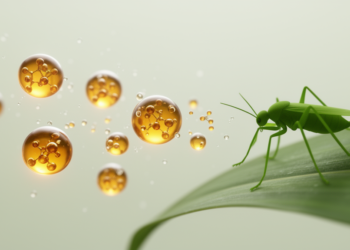
A new review finds that essential oil nanoemulsions with droplets of 20 to 200 nanometres outperformed traditional formulations in several ...
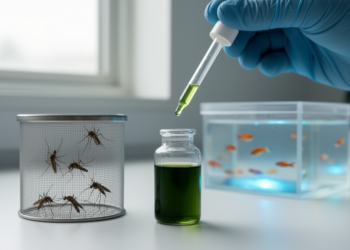
A leaf extract from Dracaena angolesnsis showed strong larvicidal, pupicidal and adulticidal activity against Aedes aegypti, overcoming induced kdr resistance ...

A new study of Rio de Janeiro's Fundão canal finds that dredged sediments rich in zinc, copper and mercury are ...
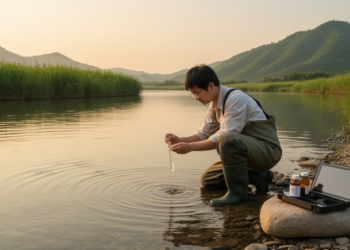
A QSAR-ICE modeling study finds mostly low ecological risk from substituted p-phenylenediamines and their quinone derivatives in Chinese freshwaters, with ...
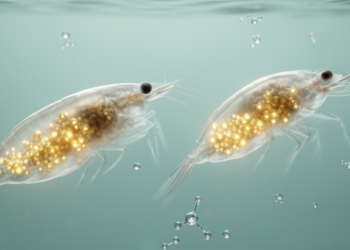
A laboratory study of two brine shrimp species found that the more phenanthrene-tolerant Artemia franciscana showed stronger dose-dependent induction of ...
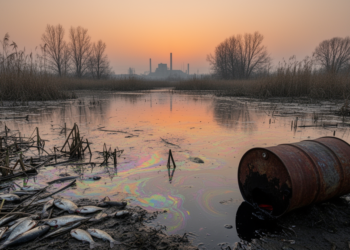
From biomagnifying pesticides and long-lived radionuclides to catastrophic oil spills, scientists document how three classes of pollutants can push ecosystems ...
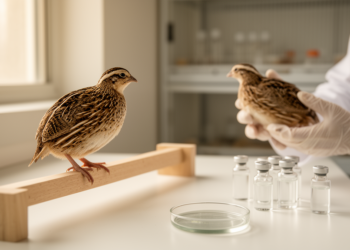
A controlled experiment with Japanese quails found that combined exposure to deltamethrin and endosulfan caused dose-dependent liver enzyme elevation, disturbed ...
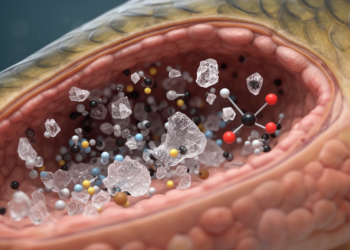
A factorial laboratory study of juvenile common carp finds that polyethylene microplastics and 4-nonylphenol produce largely additive rather than synergistic ...
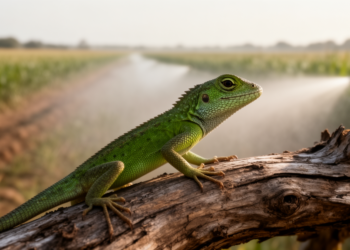
A new study reports that the herbicide 2,4-D caused oxidative stress and kidney tubular damage in the lizard Tropidurus torquatus ...


Embark on a thrilling journey of discovery with Scienmag.com—your ultimate source for cutting-edge breakthroughs. Immerse yourself in a world where curiosity knows no limits and tomorrow’s possibilities become today’s reality!