

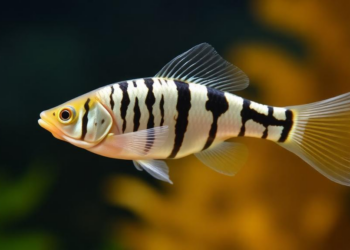
Zebrafish Reveal How Low-Level Ammonia Pollution Silences Natural Behaviour
A repeated-exposure study finds adult zebrafish tolerate less than 1 mg/L of un-ionized ammonia under low-oxygen conditions, with playing, feeding ...
A repeated-exposure study finds adult zebrafish tolerate less than 1 mg/L of un-ionized ammonia under low-oxygen conditions, with playing, feeding ...
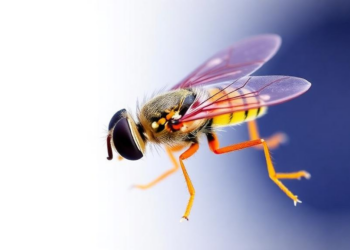
Deep-learning tracking reveals that biodegradable polyhydroxyalkanoate microplastics significantly slow and disorganize the crawling behavior of fruit fly larvae at sublethal ...
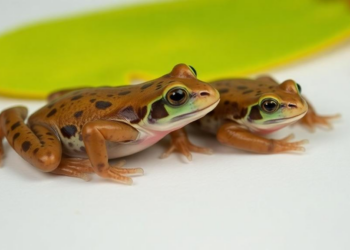
New research shows that the neonicotinoid insecticide thiamethoxam causes lethal, genotoxic, mutagenic, and cytotoxic damage in bullfrog tadpoles at concentrations ...

A new study shows that weathered polyethylene microplastics adsorb the herbicide 2,4-D and inflict significantly greater behavioral, regenerative, and reproductive ...
A systematic review of 43 experimental studies reveals that while microplastics consistently impair growth, photosynthesis, and cellular stress responses in ...
A new review finds that rare earth elements from green technology are accumulating in marine invertebrates with harmful effects, while ...
A new laboratory study finds that leachates from biodegradable polypropylene microplastics inhibit the growth of marine microalgae, with Chlorella sp. ...

A new ecotoxicology study shows the antifouling biocide dichlofluanid damages lysosomes, antioxidant defenses, and DNA in tropical mussels and clams ...
A 21-day laboratory study shows that polyethylene and polyvinyl chloride microplastics, especially in combination, cause anemia, liver and kidney stress, ...
A synthesis of controlled quail experiments shows that PFOS accumulates most strongly in the liver, concentrates in the embryonic chorioallantoic ...


Embark on a thrilling journey of discovery with Scienmag.com—your ultimate source for cutting-edge breakthroughs. Immerse yourself in a world where curiosity knows no limits and tomorrow’s possibilities become today’s reality!