

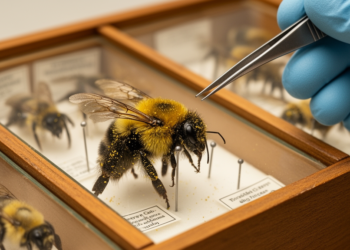
Pollen DNA from museum bumblebees reveals 50-year shift away from Fabaceae foraging
Pollen metabarcoding of bumblebee museum specimens from 1968/69 and field-caught bees from 2019 near Cuxhaven, Germany, reveals a shift in ...
Pollen metabarcoding of bumblebee museum specimens from 1968/69 and field-caught bees from 2019 near Cuxhaven, Germany, reveals a shift in ...
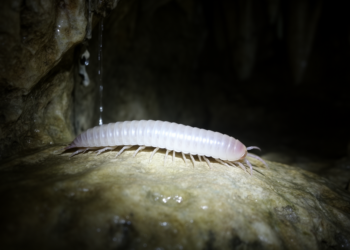
Researchers describe Vietpetalum, a new genus of cave-dwelling paracortinid millipedes from northern Vietnam, including two new species and COI DNA ...
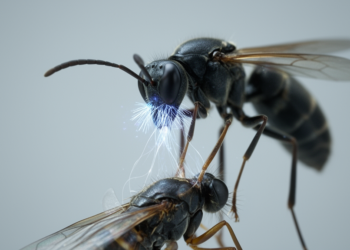
A laboratory study detected host DNA on the cuticles of adult parasitoid wasps in 49% of samples, offering a non-destructive ...
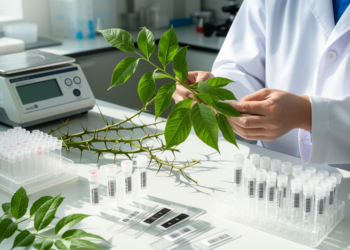
A study combining dominant molecular markers and DNA barcoding classified 109 Chinese prickly ash accessions and found that five ambiguous ...
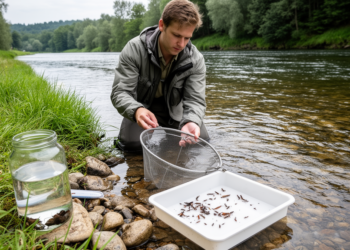
A standardized Lithuanian macroinvertebrate taxonomy cut apparent richness by 61.3% while preserving 91.4% of ecological quality classes and revealing an ...
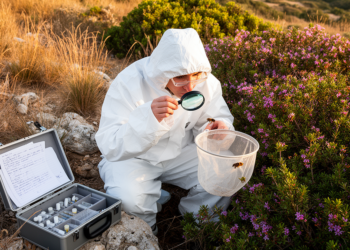
A two-year integrative survey of northeastern Sardinia recorded 76 wild-bee species, including six first records for the island, and generated ...
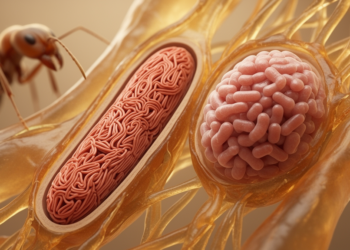
An exploratory comparison of mitochondrial gene-region structure identified insertions, deletions, spacers and RNA features that distinguish three leafcutting ant genera ...
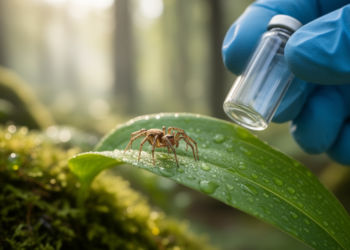
A CaBOL-supported field survey recorded 23 spider species new to Georgia, including 11 reported for the first time in the ...
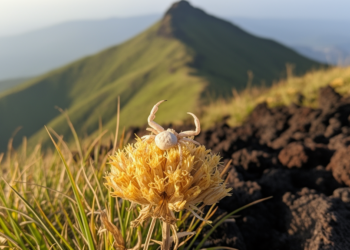
Two male crab spiders from Georgia’s Didi Abuli volcano were described as a new species, Psammitis abuliensis, and Xysticus marmoratus ...
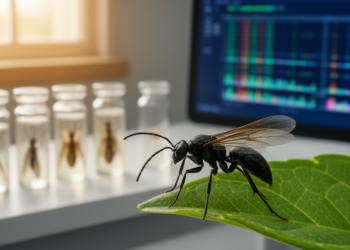
A perspective and review argues that DNA-based methods can accelerate parasitoid wasp taxonomy, but stable species descriptions require morphology, nomenclatural ...


Embark on a thrilling journey of discovery with Scienmag.com—your ultimate source for cutting-edge breakthroughs. Immerse yourself in a world where curiosity knows no limits and tomorrow’s possibilities become today’s reality!