

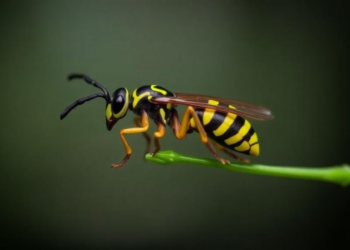
New Zealand’s Endemic Pronkia Wasps Get Their Own Subfamily After DNA Study Upends Classification
A new molecular phylogeny shows that New Zealand's endemic wasp genus Pronkia does not belong in the subfamily Meteorideinae but ...
A new molecular phylogeny shows that New Zealand's endemic wasp genus Pronkia does not belong in the subfamily Meteorideinae but ...

A noctuid moth population isolated in the Spanish Central Pyrenees for more than four decades is formally described as a ...
A comprehensive plastid genome study of the nettle tribe Elatostemateae reveals large inversions, dramatic inverted repeat shifts and a rare ...
A comparative study of four sympatric alpine daisies from different lineages reveals shared candidate chloroplast genes linked to translation, photosynthetic ...
Scientists have sequenced the complete chloroplast genomes of five Ulmus pumila cultivars, uncovering hypervariable DNA regions that can finally distinguish ...
The first genetic study of the marbled cascade frog in India's Darjeeling Hill Region reveals a historically isolated, genetically depauperate ...
DNA barcoding of the millipede Spirobolus bungii reveals broad but selective litter diets that shift with forest fragmentation in urban ...
A survey of the Ría Celestún Biosphere Reserve in Yucatán, México documented 17 mosquito species, including the first record of ...
The first complete ant inventory of the Xisha Islands documents 21 species and identifies human disturbance as the primary driver ...
A field study on Saudi Arabia's Red Sea coast finds that managed honeybee colonies coincide with sharply higher pollen deposition ...

Embark on a thrilling journey of discovery with Scienmag.com—your ultimate source for cutting-edge breakthroughs. Immerse yourself in a world where curiosity knows no limits and tomorrow’s possibilities become today’s reality!