


Fungicides on wheat reshape fungal communities and shift mycotoxin risks
Two wheat field trials show fungicides cut deoxynivalenol and zearalenone but roughly tripled T-2 and HT-2 toxins while restructuring the ...
Two wheat field trials show fungicides cut deoxynivalenol and zearalenone but roughly tripled T-2 and HT-2 toxins while restructuring the ...
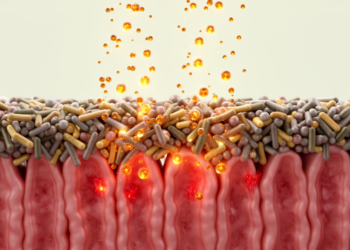
A new perspective argues the gut microbiome is both a determinant and a target of mycotoxin toxicity, with causal evidence ...
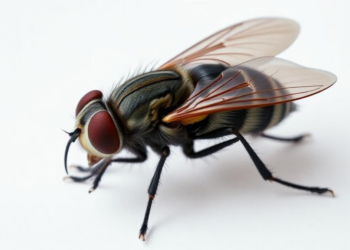
An industrial-scale Portuguese study shows black soldier fly larvae reared on naturally contaminated restaurant food waste do not bioaccumulate mycotoxins ...
A new review maps how the mycotoxin deoxynivalenol hijacks ribosomal and cellular signaling networks to drive intestinal, immune, neurological and ...
A conserved Lsm8-exosome module that safeguards RNA splicing fidelity has been revealed as a master switch controlling growth, stress adaptation, ...
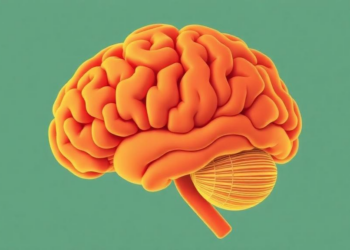
A new scoping review compiles evidence that six common food-borne mycotoxins can cross the blood-brain barrier and drive neurodegeneration through ...
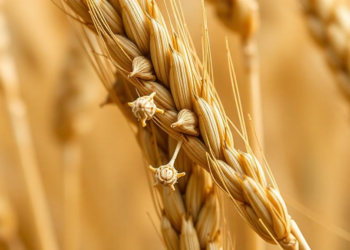
New research reveals that the polarisome protein FgPea2 directs the membrane-anchored FgBoi2 to drive polarized growth, toxin production, virulence and ...
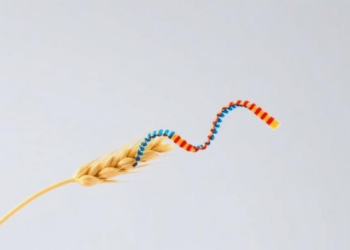
A new review details the five types of wheat resistance to Fusarium head blight, the cloned genes Fhb1 and Fhb7, ...

New research shows that the conserved Pal/PacC pH signaling pathway in Fusarium graminearum governs fungal growth, stress tolerance, tissue penetration, ...

A genome-scale knockout study of Fusarium graminearum reveals that dozens of secondary metabolite gene clusters govern growth, stress tolerance, spore ...


Embark on a thrilling journey of discovery with Scienmag.com—your ultimate source for cutting-edge breakthroughs. Immerse yourself in a world where curiosity knows no limits and tomorrow’s possibilities become today’s reality!