

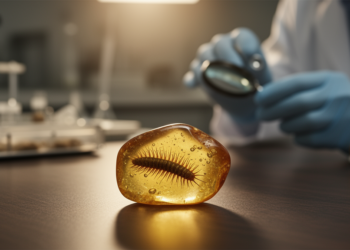
Cretaceous Amber Reveals Tiny Bristly Millipedes That Grew Into Eocene Giants
A landmark-based analysis of hundreds of amber-preserved bristly millipedes shows the animals were smallest around 100 million years ago and ...
A landmark-based analysis of hundreds of amber-preserved bristly millipedes shows the animals were smallest around 100 million years ago and ...
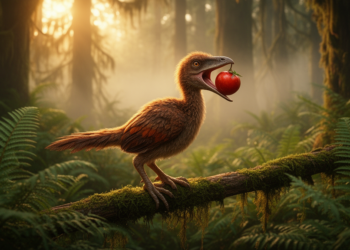
A newly identified Hell Creek oviraptorosaur, Infernogallus jamesi, shows chewing adaptations seen today only in fruit-eating parrots, making it the ...
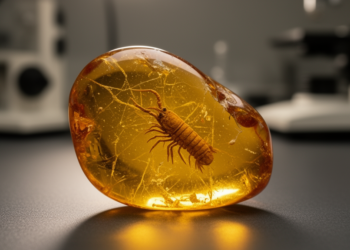
A newly described crustacean, Tanaidaurum kachinensis, preserved in 100-million-year-old Kachin amber from Myanmar is the first Cretaceous tanaidacean recorded outside ...
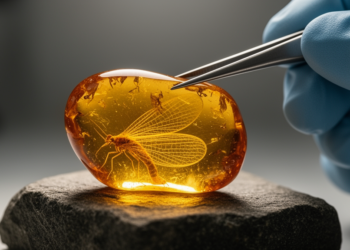
A new genus and species of Nevrorthidae has been described from a single female preserved in mid-Cretaceous Kachin amber, only ...
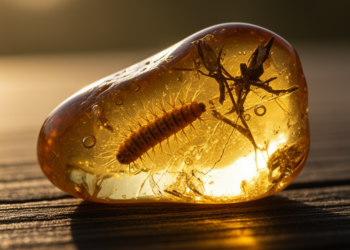
Three fossil beetle larvae with bristly lateral processes, preserved in Cretaceous Kachin and Miocene Mexican amber, are identified as probable ...
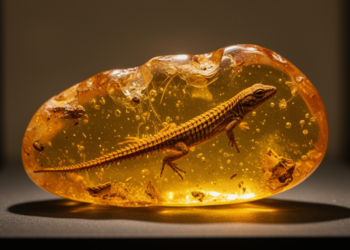
A lizard tail preserved in 99-million-year-old amber from northern Myanmar provides the best-preserved direct fossil evidence of voluntary tail-shedding, a ...
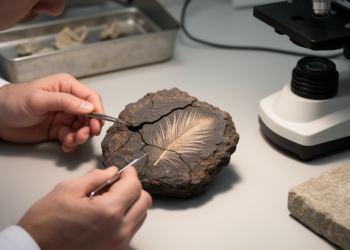
A peer-reviewed analysis of a 66-million-year-old dinosaur coprolite identified the first known hesperornithiform feathers and proposed that their primitive body ...
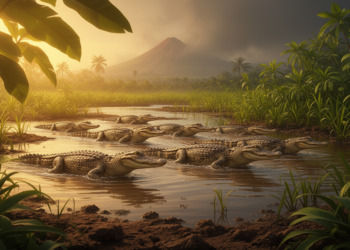
A climate-modeling study suggests that following warm-climate refuges may have helped crocodilian relatives survive the asteroid extinction, although climate preference ...
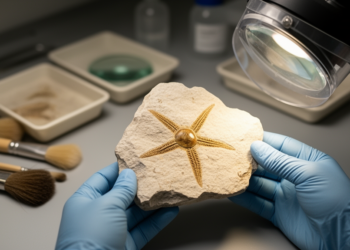
An exceptionally preserved fossil from the Rügen chalk has revealed the full anatomy of the bizarre brittle star Astrosombra rammsteinensis, ...
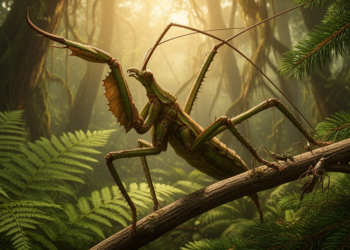
Two species of stick insect from the Early Cretaceous Jehol Biota of China had enlarged hind femora that are significantly ...


Embark on a thrilling journey of discovery with Scienmag.com—your ultimate source for cutting-edge breakthroughs. Immerse yourself in a world where curiosity knows no limits and tomorrow’s possibilities become today’s reality!