


Coral rubble mobility is not the only barrier to reef recovery, study finds
A field experiment on the Great Barrier Reef found that coral settlement remained low on rubble fragments even when they ...
A field experiment on the Great Barrier Reef found that coral settlement remained low on rubble fragments even when they ...
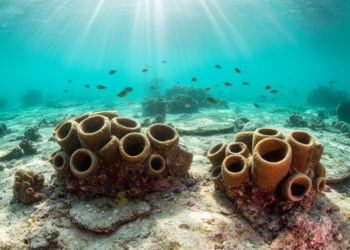
A 16-year study across the Florida Keys found sponge abundance fell 66 percent and diversity 34 percent, with lost filtration ...
A retired NOAA reef scientist publishes a Perspective letter apologizing to his granddaughter for failing coral reefs, while citing Flower ...
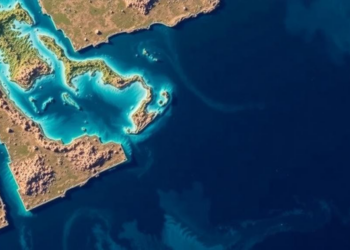
A new study combined Sentinel-2 imagery, the Stumpf band ratio algorithm, and the Allen Coral Atlas to map shallow-water bathymetry ...
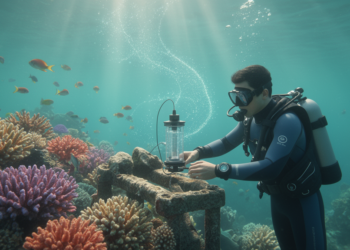
A Hawaiʻi study compared passive and active environmental DNA sampling methods and coral genetic markers for community-based coral reef monitoring.
Researchers have demonstrated that the frequency and cumulative intensity of marine heat waves in vulnerable coral reef regions are predictable ...
A new hypothesis paper proposes that the microscopic ridges and cavities of the coralline alga Lithophyllum prototypum may help explain ...
An observational survey of 15 islands in Karimunjawa Marine National Park found significant route-group differences in coral abundance and species ...
A Dry Tortugas photogrammetry study found that massive reef-builders and opportunistic corals produce distinct three-dimensional terrain signatures, with Porites providing ...

A review of nearly 400 papers finds that birds transport and concentrate nutrients across terrestrial and aquatic environments, linking their ...


Embark on a thrilling journey of discovery with Scienmag.com—your ultimate source for cutting-edge breakthroughs. Immerse yourself in a world where curiosity knows no limits and tomorrow’s possibilities become today’s reality!