

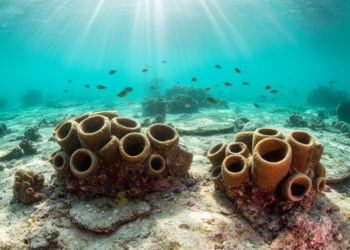
Florida Keys hardbottom sponges in steep decline, weakening water filtration and reef soundscapes
A 16-year study across the Florida Keys found sponge abundance fell 66 percent and diversity 34 percent, with lost filtration ...
A 16-year study across the Florida Keys found sponge abundance fell 66 percent and diversity 34 percent, with lost filtration ...
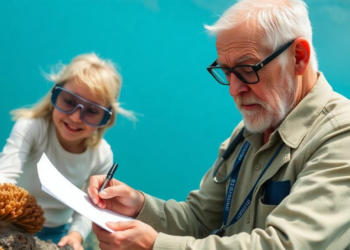
A retired NOAA reef scientist publishes a Perspective letter apologizing to his granddaughter for failing coral reefs, while citing Flower ...
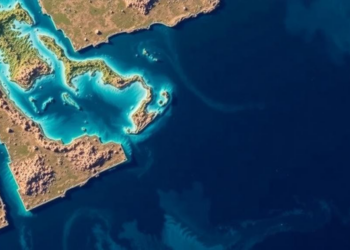
A new study combined Sentinel-2 imagery, the Stumpf band ratio algorithm, and the Allen Coral Atlas to map shallow-water bathymetry ...
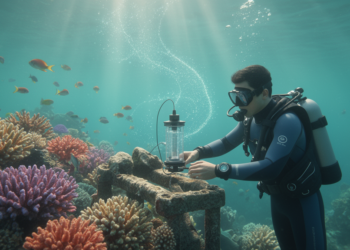
A Hawaiʻi study compared passive and active environmental DNA sampling methods and coral genetic markers for community-based coral reef monitoring.
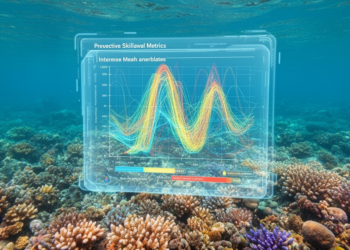
Researchers have demonstrated that the frequency and cumulative intensity of marine heat waves in vulnerable coral reef regions are predictable ...
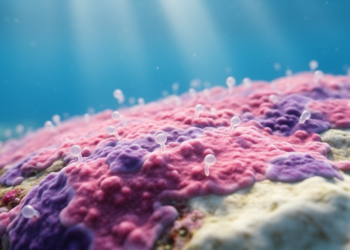
A new hypothesis paper proposes that the microscopic ridges and cavities of the coralline alga Lithophyllum prototypum may help explain ...
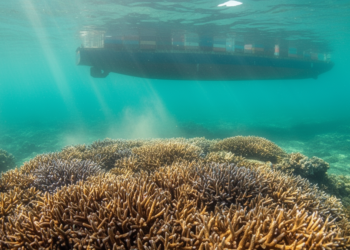
An observational survey of 15 islands in Karimunjawa Marine National Park found significant route-group differences in coral abundance and species ...
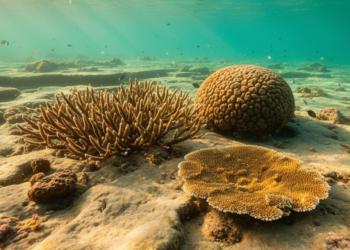
A Dry Tortugas photogrammetry study found that massive reef-builders and opportunistic corals produce distinct three-dimensional terrain signatures, with Porites providing ...

A review of nearly 400 papers finds that birds transport and concentrate nutrients across terrestrial and aquatic environments, linking their ...

Delft engineers propose DARE, a design philosophy of diversity, adaptability and robustness borrowed from ecosystems to protect coasts and deltas ...


Embark on a thrilling journey of discovery with Scienmag.com—your ultimate source for cutting-edge breakthroughs. Immerse yourself in a world where curiosity knows no limits and tomorrow’s possibilities become today’s reality!