

Europe’s Research Infrastructures Push to Untangle the Microplastics Mess
A new perspective argues that coordinating European research infrastructures is the key to overcoming fragmentation in micro- and nanoplastic research.
A new perspective argues that coordinating European research infrastructures is the key to overcoming fragmentation in micro- and nanoplastic research.
Engineered E. coli converted shrub willow hydrolysate into the bioplastic PHB, with pretreatment at 180 degrees Celsius, yeast extract supplementation, ...
A new review finds lignocellulosic biomass is the most scalable feedstock for biodegradable polymers, but high costs and limited infrastructure ...
Researchers built three additive-free corn stover biocomposites with tunable degradation and upcycled their hydrolysates into bacterial nanocellulose.

Researchers have transformed natural wood into a strong, moldable and water-resistant material through a room-temperature hydroplasticization process that could replace ...
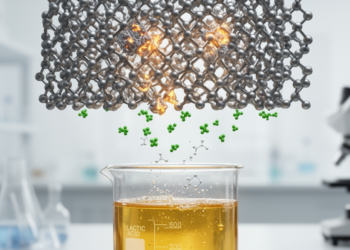
Researchers engineered deliberate structural defects into a nickel metal-organic framework, boosting glucose-to-lactic acid conversion and enabling raw biomass feedstocks such ...
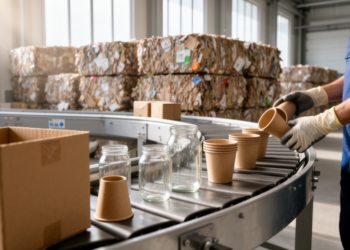
A new review maps how circular economy strategies, recycling technologies, and digital innovations could transform packaging waste management.
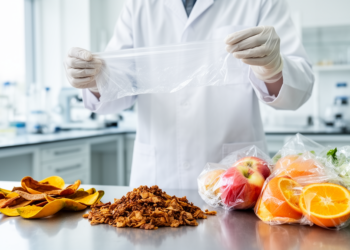
A new review maps three strategies for turning fruit peels, pomace, and seeds into biodegradable, active food packaging, revealing critical ...
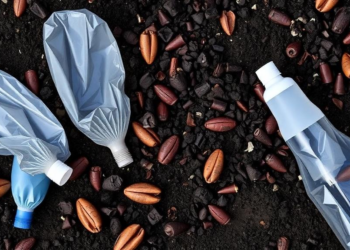
A 60-day incubation study of Loess Plateau orchard soils shows biodegradable PLA microplastics sharply increased carbon dioxide and nitrous oxide ...
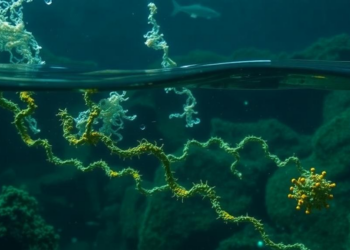
Metagenomic analysis of Western Pacific Ocean deep chlorophyll maximum samples has revealed 34 PHA biosynthetic and degradation genes across 29 ...


Embark on a thrilling journey of discovery with Scienmag.com—your ultimate source for cutting-edge breakthroughs. Immerse yourself in a world where curiosity knows no limits and tomorrow’s possibilities become today’s reality!