

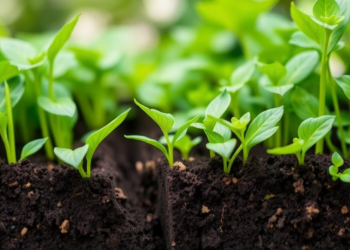
Plants vs. Lead: Massive Review Reveals What Really Works to Clean Toxic Soils
A systematic review of 55 studies finds that chelating agents boost lead uptake in plants but risk leaching and stress, ...
A systematic review of 55 studies finds that chelating agents boost lead uptake in plants but risk leaching and stress, ...
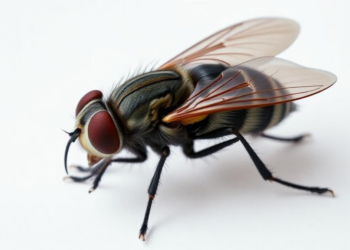
An industrial-scale Portuguese study shows black soldier fly larvae reared on naturally contaminated restaurant food waste do not bioaccumulate mycotoxins ...
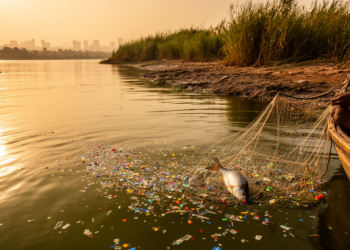
A new scoping review finds that microplastics in the Nile River carry heavy metals, organic pollutants, and antibiotics into fish ...

A systematic review of 52 studies finds that mercury, lead, cadmium, and chromium routinely exceed safety limits in Brazilian freshwater ...

A two-year study of Black-headed Gull eggs from the southern Baltic Sea finds that every sample contains DDT metabolites and ...
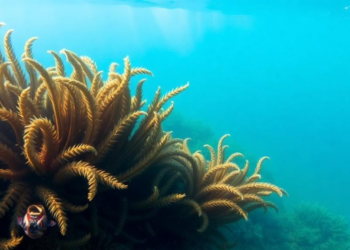
A study of seawater, brown algae, and seagrasses at four beaches in Cuba's Guanahacabibes National Park finds low trace metal ...
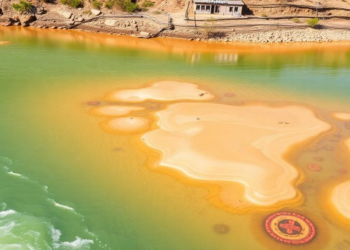
A new study has derived the first water quality criteria tailored to the Yellow River Basin, identifying chromium and arsenic ...
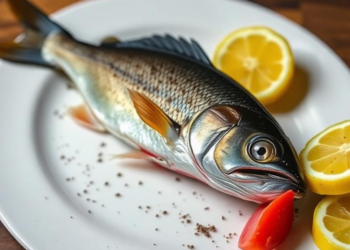
A comprehensive review in Environmental Monitoring and Assessment traces how arsenic, mercury, cadmium, chromium, and lead bioaccumulate in fish, damage ...

A Polish study of home-garden raspberries found that essential metals decline from soil to leaf to fruit, soil–plant correlations vanished ...
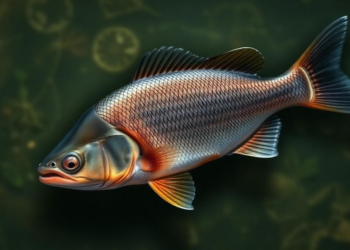
A new study of African catfish and Nile tilapia from Ghana's Libga and Builpela reservoirs detects persistent pesticide residues, including ...


Embark on a thrilling journey of discovery with Scienmag.com—your ultimate source for cutting-edge breakthroughs. Immerse yourself in a world where curiosity knows no limits and tomorrow’s possibilities become today’s reality!