

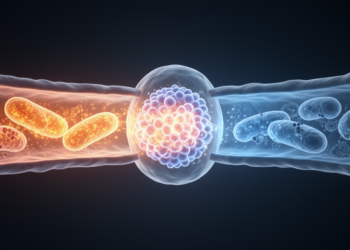
mTORC1 may act as a transition switch in ME/CFS post-exertional malaise
A new review proposes mTORC1 as a transition switch linking mitochondrial dysfunction to post-exertional malaise in ME/CFS, while noting that ...
A new review proposes mTORC1 as a transition switch linking mitochondrial dysfunction to post-exertional malaise in ME/CFS, while noting that ...
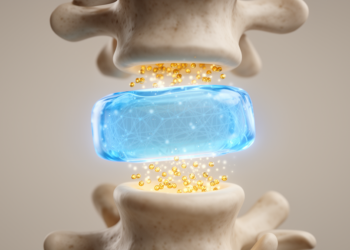
A pH- and ROS-responsive hydrogel carrying CRISPR-Cas9 silenced the TRPV4 calcium channel in rat discs, restoring autophagic flux and slowing ...
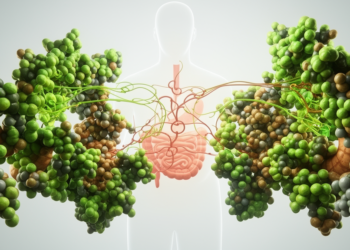
A Frontiers in Aging review argues that natural triterpenoids such as celastrol, ursolic acid and ginsenosides could complement existing obesity ...
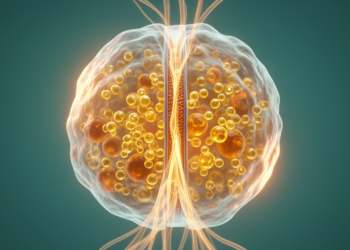
A new study reports that the lipid transport protein OSBPL3 promotes colorectal cancer progression through a cholesterol-linked signaling loop involving ...
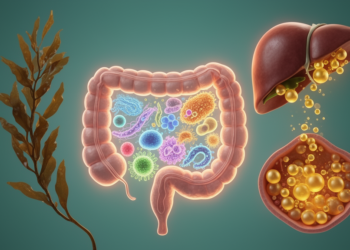
A 14-week mouse study found that fucoidan, a sulfated polysaccharide from brown seaweed, attenuated high-fat-diet-induced fatty liver disease in association ...
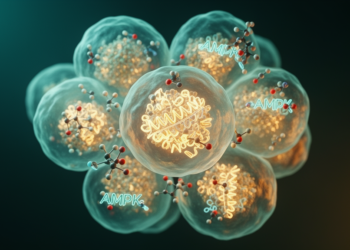
A laboratory study reports that the AMPK activator AICAR selectively arrests esophageal squamous cell carcinoma cells in S phase through ...
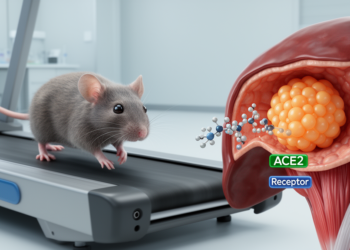
A study in diabetic mice with fatty liver found that exercise-linked muscle peptide MOTS-c reduced steatosis through an AMPK–ACE2 pathway.
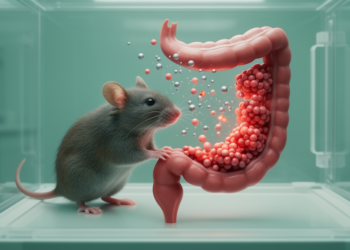
A macrophage-targeted TIMD4 peptide nanoparticle reduced inflammation and monocyte recruitment in a mouse colitis model without establishing clinical benefit in ...
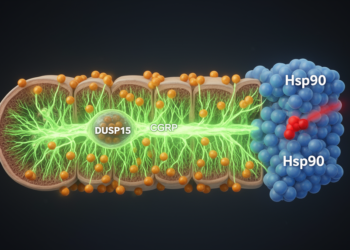
In mice, spinal Hsp90 inhibition enhanced morphine pain relief, and DUSP15 knockdown in CGRP neurons reversed that effect.
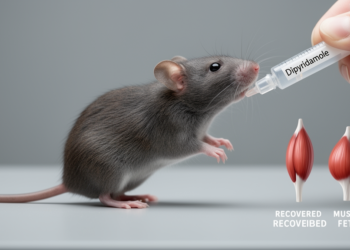
In a mouse model of rheumatoid arthritis, dipyridamole improved persistent muscle loss and dysfunction after joint inflammation subsided, alongside restored ...


Embark on a thrilling journey of discovery with Scienmag.com—your ultimate source for cutting-edge breakthroughs. Immerse yourself in a world where curiosity knows no limits and tomorrow’s possibilities become today’s reality!