


Paper-based sensor detects trace phenolic pollutants
A new paper-based biosensor using molybdenum disulfide and graphene oxide detects trace levels of 17β-Estradiol and hydroquinone in water.
A new paper-based biosensor using molybdenum disulfide and graphene oxide detects trace levels of 17β-Estradiol and hydroquinone in water.

A study in human endothelial cells shows that 17β-estradiol delays senescence by upregulating the lncRNA-encoded peptide ARP to promote autophagy.

A new narrative review argues that estrogen-deficient skin during perimenopause and menopause may serve as a visible mirror of internal ...

In a severe mouse model of Marfan syndrome, estrogen treatment and endogenous ovarian hormones slowed ascending thoracic aortic aneurysm dilation ...

A thirty-day feeding study in rats reveals that dietary protein catabolism supplies crucial Krebs cycle intermediates that, alongside 17β-estradiol, promote ...

A longitudinal radiography study found keel bone fractures in about 90% of two high-producing laying-hen hybrids but in 9.1% or ...
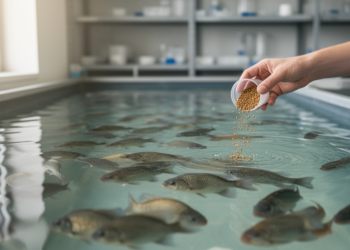
Feeding young UPV SpiN tilapia hybrid with 17β-estradiol converted over 94 percent of genetic males into phenotypic females without affecting ...
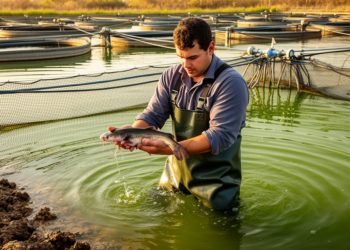
New research shows that hormone-induced YY pseudofemale channel catfish are morphologically indistinguishable from genetic females, clearing a key hurdle for ...
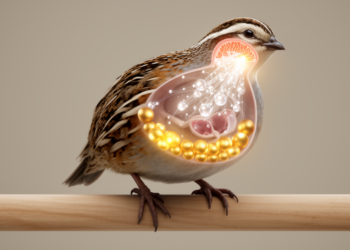
New research in Japanese quail shows that the hypothalamic protein NPGM promotes fat deposition and suppresses gonadal hormones through distinct ...
Frontiers in Neuroscience has retracted a 2020 study claiming 17β-estradiol protects neural stem cells from ketamine injury after image integrity ...


Embark on a thrilling journey of discovery with Scienmag.com—your ultimate source for cutting-edge breakthroughs. Immerse yourself in a world where curiosity knows no limits and tomorrow’s possibilities become today’s reality!