


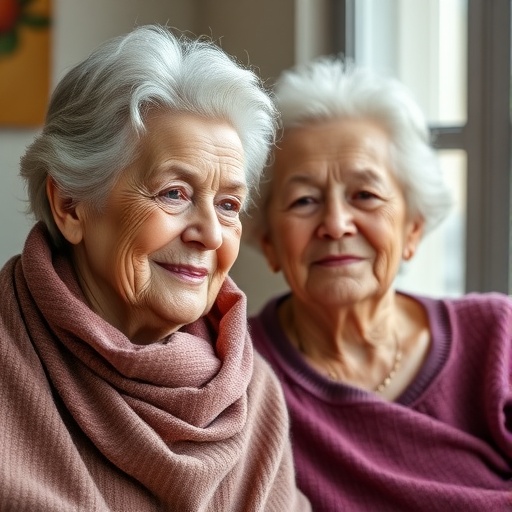
For centuries, societal norms and media portrayals have imposed stringent beauty standards on women, especially as they age. Unlike men, who have historically been celebrated for their silver hair with affectionate terms like “silver fox,” women often face derogatory labels once they show natural signs of aging, such as gray hair or wrinkles. This persistent double standard underlines a cultural fixation on youth and flawless appearance that disproportionately affects women, reinforcing stigmas around aging and self-worth.
Recent trends on social media platforms have exacerbated these pressures, extending anti-aging anxieties to even younger demographics. Whereas cosmetic procedures were traditionally pursued by middle-aged or older adults, teenagers and young women now actively engage in using products and treatments aimed at erasing minimal signs of aging. This shift signals a profound cultural change fueled by the ubiquity of digital media and the constant influx of beauty-related messages targeting all age groups.
In response to these disturbing trends, a team of researchers led by Amanda Cooper, an assistant professor specializing in interpersonal communication at the University of Connecticut, embarked on an investigative study to explore how exposure to positive aging narratives on TikTok might influence women’s attitudes toward their own aging process. Alongside co-authors Lexi McNamara and Heather Gahler from the University of Wisconsin, Cooper examined whether digital representations of aging women embracing their natural changes could reshape the mental frameworks of viewers across different age cohorts.
The study was motivated by the burgeoning popularity of TikTok videos that challenge the conventional narrative of aging as something to be feared or hidden. Hashtags like #GrayHairDontCare showcase radiant middle-aged and older women who openly celebrate their gray hair and laugh lines, redefining these markers not as flaws but as emblems of a life well-lived. These videos serve as a potent counterbalance to mainstream media’s anti-aging rhetoric, offering an alternative vision of beauty rooted in authenticity and acceptance.
Using a survey-based methodology, the research involved groups of young, middle-aged, and older women who were assigned to watch either videos promoting positive aging or control videos focused on travel. Participants then responded to questions designed to assess their concerns, emotions, and confidence regarding their own aging. The study meticulously measured shifts in attitudes and emotional responses, providing empirical insights into the psychological effects of media exposure.
The results showed a clear pattern: women who viewed positive aging content experienced a significant increase in positive emotions and confidence related to aging, compared with those in the control group. This uplift in mood and outlook suggests that exposure to affirming aging narratives can counteract pervasive societal negativity. Notably, while all age groups benefited, the middle-aged and older women exhibited more pronounced changes, highlighting the salience of aging concerns at different life stages.
These findings underscore the power of representation and digital media in reshaping cultural perceptions and personal beliefs. The presence of relatable, positive role models in the digital sphere appears to foster an increased sense of possibility and acceptance regarding aging. For many women, seeing peers who embody successful aging offers reassurance and inspiration, facilitating a more hopeful and empowered mindset about the future.
Beyond individual impact, the research also suggests broader societal implications. Viewers of positive aging videos demonstrated more favorable attitudes toward older adults in general, hinting at the potential to reduce ageism and promote intergenerational understanding. This facet of the study sheds light on how media content can influence not only self-perception but also social biases and community dynamics.
Amanda Cooper emphasizes the importance of cultivating communication environments that celebrate aging rather than stigmatize it. By producing content that highlights wisdom, lived experiences, and the beauty inherent in the aging process, society can begin dismantling harmful stereotypes that constrain women psychologically and socially. She calls on content creators to prioritize and amplify narratives that confer dignity and positivity on aging.
The implications for public health and psychological well-being are significant, particularly in light of growing concerns about widespread age-related anxiety among women. As research reveals, fostering positive attitudes toward aging may encourage healthier behaviors, reduce stress, and improve mental health outcomes. The empowerment derived from seeing aging as meaningful rather than diminishing can nurture resilience for women navigating mid- and later life stages.
The study’s focus on TikTok, a platform often associated with younger demographics, reflects the shifting terrain of cultural influence. Digital natives engage with and produce content that reflects diverse experiences, challenging traditional gatekeepers of beauty and age norms. This democratization of media allows for new narratives to emerge organically, spreading viral messages that can recalibrate societal views on age and appearance.
Critically, this research contributes to a growing body of evidence underscoring the vital role of media literacy and positive representation in shaping public attitudes and individual self-image. It also raises important questions about the responsibility of media platforms and creators in either perpetuating harmful stereotypes or facilitating constructive change.
In summary, the transformative potential of digital media in altering women’s perceptions of aging is clear. Exposure to TikTok videos that embrace aging with positivity not only enhances personal confidence and emotional well-being but also contributes to reducing societal ageism. By further supporting and promoting such content, there is a promising path forward for redefining aging as an empowering and celebrated stage of life.
Cite Scienmag News
Beatrice Stafford. (June 15, 2026). Study Reveals Positive Aging Videos Improve Women’s Attitudes Toward Growing Older. Scienmag. https://scienmag.com/study-reveals-positive-aging-videos-improve-womens-attitudes-toward-growing-older/
Beatrice Stafford. "Study Reveals Positive Aging Videos Improve Women’s Attitudes Toward Growing Older." Scienmag, 15 June 2026, https://scienmag.com/study-reveals-positive-aging-videos-improve-womens-attitudes-toward-growing-older/. Accessed 3 September 2026.
Beatrice Stafford. "Study Reveals Positive Aging Videos Improve Women’s Attitudes Toward Growing Older." Scienmag. June 15, 2026. https://scienmag.com/study-reveals-positive-aging-videos-improve-womens-attitudes-toward-growing-older/


