Wednesday, October 28, 2026
Science
No Result
View All Result
  • Login
  • HOME
  • SCIENCE NEWS
  • CONTACT US
  • HOME
  • SCIENCE NEWS
  • CONTACT US
No Result
View All Result
Scienmag
No Result
View All Result
Home Science News Biology

Stress protein CHOP shields the liver from acetaminophen damage, mouse study finds

October 28, 2026
in Biology
Drew Townsend
By Drew Townsend Scienmag Editorial Profile - Cell Biology
Reading Time: 2 mins read
0
Stress protein CHOP shields the liver from acetaminophen damage, mouse study finds

Stress protein CHOP shields the liver from acetaminophen damage, mouse study finds

65
SHARES
587
VIEWS
Share on FacebookShare on Twitter
ADVERTISEMENT

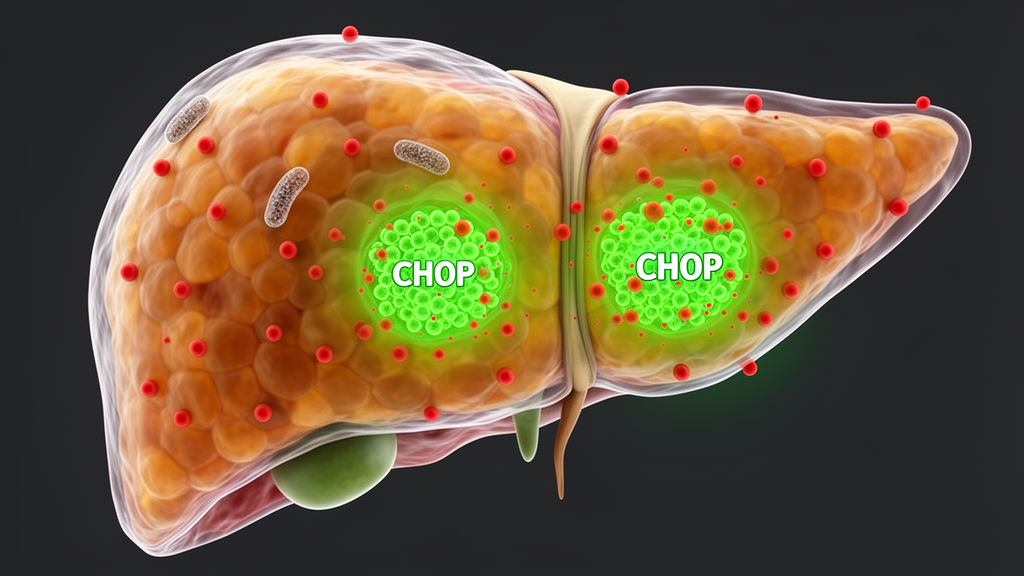
The protein, C/EBP homologous protein (CHOP), was found to defend the liver against injury by promoting a glutathione-dependent antioxidant program that operates through the FOS protein.

Acetaminophen overdose is a major cause of acute liver injury. The damage is driven primarily by oxidative stress and mitochondrial dysfunction that result from excessive formation of N-acetyl-p-benzoquinone imine, a reactive metabolite of the drug. Although CHOP levels rise markedly during acetaminophen-induced liver injury, its functional role in hepatocellular stress responses had remained unclear.

To probe that role, the research team compared wild-type mice with mice lacking the Chop gene. When both groups received acetaminophen, the absence of CHOP significantly worsened the liver injury. The Chop-null animals showed elevated serum alanine aminotransferase levels, a standard marker of liver damage, along with extensive necrosis of liver tissue.

The molecular explanation pointed to a weakened antioxidant defense. CHOP deficiency impaired the induction of GSH-dependent antioxidant pathways and reduced the hepatic levels of reduced glutathione, the molecule that normally buffers the oxidative assault triggered by acetaminophen metabolism.

A striking finding was the dependence of Fos expression on CHOP. The acetaminophen-induced rise in Fos expression was strongly CHOP-dependent, suggesting that CHOP sits upstream of this antioxidant-linked transcriptional response rather than acting in a parallel pathway.

Spatial analysis added a further layer of detail. CHOP and FOS showed partial overlap in their distribution at the boundary between injured and preserved liver parenchyma, the region where surviving hepatocytes are mounting their adaptive response to the toxic challenge.

Two independent lines of evidence supported the regulatory link. Promoter-reporter analysis and ChIP-qPCR both supported CHOP-dependent transcriptional regulation of the Fos gene.

The authors conclude that a CHOP–FOS-associated antioxidant response contributes to hepatic redox homeostasis by promoting GSH-dependent antioxidant defenses, thereby supporting hepatocyte adaptation during acetaminophen-induced liver injury. The work was performed in mice, so direct implications for human patients with acetaminophen poisoning will require further investigation. The article was published as peer-reviewed accepted research on 23 October 2026, with a final version of record to follow.

Subject of Research: The role of the transcription factor CHOP in protecting the liver from acetaminophen-induced injury through a FOS-associated antioxidant program in mice.

Article Title: C/EBP homologous protein protects against acetaminophen-induced liver injury and promotes a FOS-associated antioxidant program

Article References: Nguyen, V. D., Daikoku, A., Ando, M., Kosugi, M., Kadono, C., Nakai, H., Yuasa, H., Urushima, H., Gi, M., Kawamura, E., Gonzalez, F. J., & Matsubara, T. (2026). C/EBP homologous protein protects against acetaminophen-induced liver injury and promotes a FOS-associated antioxidant program. Cell Biology and Toxicology. https://doi.org/10.1007/s10565-026-10318-5

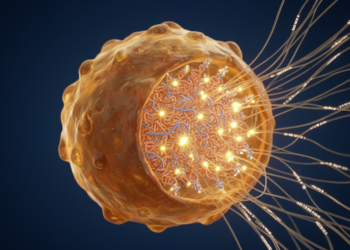
Image Credits: AI Generated

DOI: 10.1007/s10565-026-10318-5

Keywords: acetaminophen, liver injury, CHOP, FOS, glutathione, oxidative stress, hepatotoxicity, transcription factor, mouse study, antioxidant defense, homologous, protein

Cite Scienmag News

Drew Townsend. (October 28, 2026). Stress protein CHOP shields the liver from acetaminophen damage, mouse study finds. Scienmag. https://scienmag.com/stress-protein-chop-shields-the-liver-from-acetaminophen-damage-mouse-study-finds/

Drew Townsend. "Stress protein CHOP shields the liver from acetaminophen damage, mouse study finds." Scienmag, 28 October 2026, https://scienmag.com/stress-protein-chop-shields-the-liver-from-acetaminophen-damage-mouse-study-finds/. Accessed 28 October 2026.

Drew Townsend. "Stress protein CHOP shields the liver from acetaminophen damage, mouse study finds." Scienmag. October 28, 2026. https://scienmag.com/stress-protein-chop-shields-the-liver-from-acetaminophen-damage-mouse-study-finds/

Tags: acetaminophenAcetaminophen overdose liver injuryantioxidant defensecellular defense mechanisms against oxidative damageCHOPCHOP protein role in liver protectionFOSFOS protein regulation in hepatic stress responsegene knockout studies in liver injuryglutathioneglutathione-dependent antioxidant pathwayshepatocellular stress response mechanismshepatotoxicityhomologousliver injuryliver necrosis markers and assessmentmolecular basis of acetaminophen toxicitymouse models of drug-induced liver injurymouse studyOxidative stressoxidative stress and mitochondrial dysfunction in liver damageprotective functions of stress proteins in the liverproteintranscription factor
Share26Tweet16
Previous Post

Tumor Protein RNF128 Linked to Immune Resistance in Bladder Cancer

Next Post

Study Identifies ANGPTL4 Signaling Axis Driving Ovarian Cancer Invasion and Angiogenesis

Related Posts

Cancer cells ramp up transcription across the genome, review finds
Biology

Cancer cells ramp up transcription across the genome, review finds

October 28, 2026
Bigger Rodents Eat a Wider Menu in Tanzania’s Mount Rungwe Forest
Biology

Bigger Rodents Eat a Wider Menu in Tanzania’s Mount Rungwe Forest

October 28, 2026
Passive eDNA samplers and coral genetic markers tested for reef monitoring in Hawaiʻi
Biology

Passive eDNA samplers and coral genetic markers tested for reef monitoring in Hawaiʻi

October 28, 2026
Kangaroo and wallaby facial artery map revealed in new anatomical study
Biology

Kangaroo and wallaby facial artery map revealed in new anatomical study

October 28, 2026
SARS-CoV-2 Spike Protein Competes with ENaC for Plasmin Cleavage, Driving Pulmonary Edema
Biology

SARS-CoV-2 Spike Protein Competes with ENaC for Plasmin Cleavage, Driving Pulmonary Edema

October 28, 2026
Scientists Report First Chemical Probes That Block CDCA7’s DNA Recognition
Biology

Scientists Report First Chemical Probes That Block CDCA7’s DNA Recognition

October 28, 2026
Next Post
Study Identifies ANGPTL4 Signaling Axis Driving Ovarian Cancer Invasion and Angiogenesis

Study Identifies ANGPTL4 Signaling Axis Driving Ovarian Cancer Invasion and Angiogenesis

  • Mothers who receive childcare support from maternal grandparents show more optimized

    Mothers who receive childcare support from maternal grandparents show more parental warmth, finds NTU Singapore study

    27656 shares
    Share 11059 Tweet 6912
  • University of Seville Breaks 120-Year-Old Mystery, Revises a Key Einstein Concept

    1061 shares
    Share 424 Tweet 265
  • Bee body mass, pathogens and local climate influence heat tolerance

    682 shares
    Share 273 Tweet 171
  • Researchers record first-ever images and data of a shark experiencing a boat strike

    546 shares
    Share 218 Tweet 137
  • Groundbreaking Clinical Trial Reveals Lubiprostone Enhances Kidney Function

    531 shares
    Share 212 Tweet 133
Science

Embark on a thrilling journey of discovery with Scienmag.com—your ultimate source for cutting-edge breakthroughs. Immerse yourself in a world where curiosity knows no limits and tomorrow’s possibilities become today’s reality!

RECENT NEWS

  • Clustering reveals two profiles of rewarding experiences after teen self-injury
  • Firewood school kitchens linked to respiratory harm in rural Assam workers
  • Loops that remember: a holonomy-first recipe for finding quantum gates
  • Cancer cells ramp up transcription across the genome, review finds

Categories

  • Agriculture
  • Anthropology
  • Archaeology
  • Athmospheric
  • Biology
  • Biotechnology
  • Blog
  • Bussines
  • Cancer
  • Chemistry
  • Climate
  • Earth Science
  • Editorial Policy
  • Marine
  • Mathematics
  • Medicine
  • Pediatry
  • Policy
  • Psychology & Psychiatry
  • Science Education
  • Science News
  • Social Science
  • Space
  • Technology and Engineering

Subscribe to Blog via Email

Enter your email address to subscribe to this blog and receive notifications of new posts by email.

Join 5,151 other subscribers

© 2025 Scienmag - Science Magazine

Welcome Back!

Login to your account below

Forgotten Password?

Retrieve your password

Please enter your username or email address to reset your password.

Log In
No Result
View All Result
  • HOME
  • SCIENCE NEWS
  • CONTACT US

© 2025 Scienmag - Science Magazine

Discover more from Science

Subscribe now to keep reading and get access to the full archive.

Continue reading