


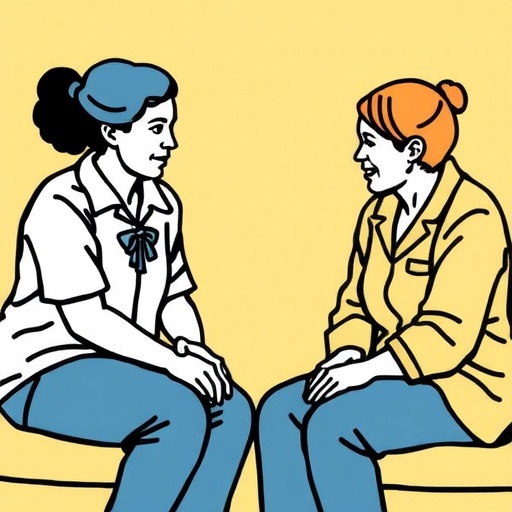
In a groundbreaking study published by Patel et al., researchers delve into the often-overlooked aspect of healthcare known as help-seeking patterns among socially isolated patients within primary care settings. This crucial subject addresses a fundamental gap in understanding how social isolation affects patients’ tendencies to seek help, which subsequently impacts their overall health outcomes. As healthcare systems navigate the complexities of a post-pandemic world, this research becomes pivotal in shaping patient care strategies and enhancing health services.
Social isolation is no longer just a social issue; it has pronounced implications for physical health, mental health, and the quality of life for millions of individuals. The researchers emphasize the alarming reality that socially isolated patients frequently encounter barriers when trying to access medical attention. Such barriers can be tied to a lack of social support systems or inadequate knowledge regarding available healthcare resources. Given the increasing prevalence of loneliness in modern society, particularly following the COVID-19 pandemic, understanding these help-seeking patterns is more relevant than ever.
This study employs a mixed-methods approach, combining quantitative data with qualitative interviews. Through this methodology, the researchers were able to draw nuanced insights into the lived experiences of socially isolated patients. The quantitative data provided a broad overview of help-seeking behaviors, while the qualitative interviews offered depth, uncovering the personal narratives that influence a patient’s interaction with healthcare systems. This dual approach not only enriches the findings but also underscores the complexity of patient experiences.
Interestingly, the results reveal distinct demographics in help-seeking behaviors. Older adults, for instance, were found to exhibit different patterns compared to their younger counterparts. The authors suggest that age-related factors, including mobility issues and reliance on caregivers, play significant roles in shaping how these groups seek medical assistance. The nuances in these behavioral patterns are critical for tailoring healthcare services and ensuring accessibility for all age groups.
Moreover, the role of technology is addressed in the study, with researchers noting that digital health tools can either bridge gaps or exacerbate isolation. While telemedicine has opened new doors for patients who may struggle to visit clinics in person, it also presents challenges for those who are not technologically savvy. The findings call for a careful balance in healthcare innovations, ensuring that they cater to varying levels of comfort and access among different patient populations.
The findings also spotlight the importance of healthcare provider training. Physicians and nurses often need guidance on recognizing signs of social isolation in their patients. Training programs that prioritize the identification of social determinants of health can lead to more holistic approaches in treatment. By being equipped with the knowledge to address the social components underpinning health issues, healthcare professionals can foster a more supportive environment for isolated patients seeking help.
Engaging family members or significant others in the care process emerges as another vital suggestion. The study highlights how family dynamics profoundly influence a patient’s inclination to seek help. Healthcare providers incorporating family into treatment discussions can enhance communication and ultimately result in better health outcomes. This aspect of care encourages a team-oriented approach that can significantly diminish feelings of loneliness and isolation.
Mental health emerges as a pivotal focus within the research, illustrating that socially isolated patients often experience heightened anxiety and depression. The authors argue that mental health support should not be an afterthought but rather integrated into primary care practice from the outset. During patient consultations, providers should take the opportunity to address mental health concerns directly, normalizing discussions around emotional well-being and social connectivity.
Community resources play an integral role in supporting socially isolated individuals as well. The study underscores the need for healthcare systems to connect patients with local organizations offering support services. From mental health counseling to recreational activities, community programs can significantly ameliorate feelings of loneliness and improve overall health. Encouraging patients to form connections within their communities can promote a proactive approach to health management.
The implications of these findings extend beyond individual patient care; they point to systemic changes needed within the healthcare framework. Policymakers should consider integrating social care into the medical model, fostering environments where healthcare addresses not just the physical but also the social and emotional needs of patients. This holistic perspective can lead to more effective health interventions and improved patient satisfaction.
The study concludes with a clarion call for further research on the phenomena of social isolation and its impact on health-seeking behaviors. By forging a deeper understanding of these patterns, healthcare stakeholders can devise innovative strategies to nurture more inclusive and supportive health systems. Future studies could focus on specific interventions targeting socially isolated patients, assessing their effectiveness in promoting health and well-being.
Ultimately, Patel et al.’s research serves as a critical reminder of the interconnectedness of social factors and health outcomes. In a world increasingly defined by individualism and disconnection, recognizing the value of community support remains essential for fostering well-being. This study paves the way for new conversations about how healthcare systems can evolve to meet the complex needs of socially isolated individuals, turning insights into action that can truly make a difference.
As we move forward, fostering awareness about the struggles faced by socially isolated patients opens avenues for enhancing healthcare delivery. The intricate relationship between social connectivity and health is highlighted, urging all stakeholders—from healthcare providers to policymakers—to take an active role in addressing the issue. Collaborative efforts will be key to dismantling barriers and ensuring equitable access to care for every patient, regardless of their social circumstances.
By addressing both the immediacy of healthcare needs and the lasting effects of social isolation, we can reshape the primary care landscape. The pressing nature of this research underlines that, as we strive for a healthier society, the very fabric of social connections must be woven into the core of health systems. The future of primary care, as illuminated by Patel et al., will hinge on our collective commitment to understanding and addressing the complexities of human experience.
Patel, M.R., Leung, C.W., Saksena, R. et al. Help-Seeking Patterns Among Socially Isolated Patients in Primary Care.
J GEN INTERN MED (2026). https://doi.org/10.1007/s11606-025-10130-7
Cite Scienmag News
Ophelia Keating. (January 8, 2026). Socially Isolated Patients: Exploring Help-Seeking Behaviors. Scienmag. https://scienmag.com/socially-isolated-patients-exploring-help-seeking-behaviors/
Ophelia Keating. "Socially Isolated Patients: Exploring Help-Seeking Behaviors." Scienmag, 8 January 2026, https://scienmag.com/socially-isolated-patients-exploring-help-seeking-behaviors/. Accessed 3 September 2026.
Ophelia Keating. "Socially Isolated Patients: Exploring Help-Seeking Behaviors." Scienmag. January 8, 2026. https://scienmag.com/socially-isolated-patients-exploring-help-seeking-behaviors/


