


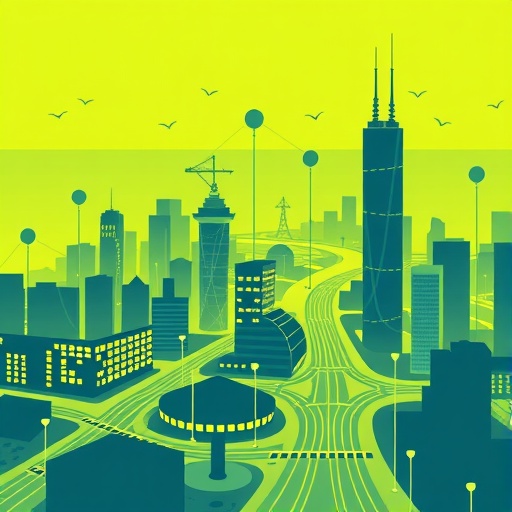
The concept of smart cities, defined by their integration of technology into urban environments to enhance the quality of life for residents, is at the forefront of contemporary discourse on urban development. As cities around the globe become increasingly populated and complexity escalates, the need for innovative solutions grows more urgent. The role of open innovation emerges as a critical theme, providing a collaborative framework that leverages diverse ideas and technologies to address urban challenges. The motivation behind this paradigm shift is to adapt cities for sustainability, efficiency, and resilience in an era marked by rapid change and uncertainty.
Open innovation, as highlighted in recent studies, begins with the premise that great ideas can come from anywhere. In the context of smart cities, innovative solutions can be developed not only by city officials and corporations but by citizens, start-ups, and other stakeholders. This shift toward inclusivity is paving the way for new collaborations that transcend traditional structural barriers. The potential for agile responses to urban challenges is significant, as it harnesses collective intelligence and accelerates the adoption of pioneering technologies.
For open innovation to flourish in urban environments, several foundational elements need to be in place. One major aspect is the development of robust digital infrastructures that facilitate information exchange and collaborative processes. These infrastructures not only support the sharing of data and resources but also reinforce trust among participants. Countries that invest in integrating smart technologies into their urban planning and governance frameworks often find their cities better equipped to handle complex problems, from traffic congestion to resource allocation, and even environmental sustainability efforts.
Another fundamental requirement for fostering open innovation within smart cities is the enhancement of citizen engagement. Encouraging residents to actively participate and contribute to the design and implementation of urban solutions is invaluable. Various techniques, such as hackathons, public forums, and design workshops, can be utilized to garner input from the community. This engagement fosters a sense of ownership among citizens and can lead to more tailored and effective solutions, grounded in real urban experiences.
The interplay between technology and policy is also paramount in the successful establishment of smart cities. Governments must create a conducive environment for innovation by enacting supportive legislation and offering incentives for collaboration. For instance, regulatory frameworks should encourage experimentation with new technologies and services while ensuring that public safety and ethical standards are upheld. Such initiatives can stimulate a dynamic landscape where both public and private sectors see the value in working together.
Importantly, the evaluation of smart city initiatives plays a vital role in understanding their effectiveness and impact. This involves not only assessing the technologies deployed but also examining the outcomes and experiences of citizens interacting with them. Continuous feedback loops, alongside effective data analysis, can lead to iterative improvements in urban planning and policy-making. Furthermore, by employing metrics focused on social equity and environmental sustainability, cities can ensure that advancements benefit all residents, especially disadvantaged communities.
The global dimension of smart cities and open innovation is worth noting, as cities worldwide often look to one another for inspiration and best practices. Cross-border collaborations can amplify the exchange of ideas and accelerate advancements in urban innovation. Programs that facilitate knowledge transfer between cities create robust networks, promoting a collective intelligence that can effectively tackle persistent challenges. Such international alliances not only bolster technological advancements but also promote cultural exchange and mutual learning.
Additionally, the rise of artificial intelligence and machine learning in urban contexts presents both opportunities and challenges. Smart cities can leverage AI to optimize traffic patterns, manage resources efficiently, and predict urban trends. However, the ethical implications of AI use cannot be overlooked, as concerns about surveillance, privacy, and data security come to the forefront. Establishing regulatory frameworks around AI applications in urban environments is crucial to build public trust and ensure that the benefits of such technologies are equitably distributed.
In terms of environmental sustainability, smart cities present a promising avenue for advancing green technology initiatives. Strategies that integrate smart systems with renewable energy solutions can drastically reduce urban carbon footprints and enhance resilience against climate change effects. Furthermore, smart waste management technologies allow cities to optimize collection routes and minimize landfill capacities, contributing to better resource management. These advancements align well with global sustainability goals and signify an understanding of the interconnected nature of urban environments and ecological health.
Another dimension of the open innovation landscape is the role of academia and research institutions in driving smart city initiatives. Collaborative research projects can yield innovative insights and practical applications that benefit urban planning and management. The academic community’s involvement ensures that urban strategies are informed by robust evidence, promoting better decision-making processes. Furthermore, partnerships between academia and local governments can lead to the development of curricula designed to prepare the next generation of urban planners and policymakers, ensuring the continuity of innovation.
Ultimately, the path towards more intelligent and sustainable urban environments hinges on the ability of cities to remain adaptable and receptive to change. The societal shifts brought about by demographics, technology, and climate change require dynamic approaches to urban development. By embracing open innovation and fostering an environment that encourages collaboration across sectors, smart cities will not only keep pace with emerging challenges but also thrive in them. The future urban landscape promises unprecedented opportunities for growth, resilience, and transformational change, where technology and people converge to create vibrant communities.
Lastly, the success stories emerging from various smart city initiatives provide tangible evidence of the potential benefits inherent to this approach. From reduced energy consumption to improved transportation networks, the impact of combining smart technologies with open innovation is already significant. As more cities embark on their journeys towards becoming smarter and more open, lessons learned will undoubtedly shape the future of urban living, transforming how individuals interact with their environments and each other.
In conclusion, as we enter an era defined by rapid urbanization and technological advancement, the synergy between smart cities and open innovation represents a critical pathway to a sustainable future. By leveraging diverse knowledge pools, engaging citizens, and fostering collaboration, cities can rise to meet the challenges ahead. The collective efforts toward transformative innovation can ultimately lead to a more equitable and sustainable world, reflective of the needs and aspirations of its citizens.
Rua, O.L., Arias-Oliva, M., Shu, Z. et al. Smart cities and open innovation: what is known, how it is known and future agenda.
Discov Sustain (2026). https://doi.org/10.1007/s43621-025-02470-5
Cite Scienmag News
Violet Maxwell. (January 28, 2026). Smart Cities and Open Innovation: Insights and Future Directions. Scienmag. https://scienmag.com/smart-cities-and-open-innovation-insights-and-future-directions/
Violet Maxwell. "Smart Cities and Open Innovation: Insights and Future Directions." Scienmag, 28 January 2026, https://scienmag.com/smart-cities-and-open-innovation-insights-and-future-directions/. Accessed 4 September 2026.
Violet Maxwell. "Smart Cities and Open Innovation: Insights and Future Directions." Scienmag. January 28, 2026. https://scienmag.com/smart-cities-and-open-innovation-insights-and-future-directions/


