Saturday, October 24, 2026
Science
No Result
View All Result
  • Login
  • HOME
  • SCIENCE NEWS
  • CONTACT US
  • HOME
  • SCIENCE NEWS
  • CONTACT US
No Result
View All Result
Scienmag
No Result
View All Result
Home Science News Medicine

Skin assay detects and types alpha-synuclein seeds in multiple system atrophy

October 24, 2026
in Medicine
Ophelia Keating
By Ophelia Keating Scienmag Editorial Profile - Health Services Research
Reading Time: 3 mins read
0
Skin assay detects and types alpha-synuclein seeds in multiple system atrophy

Skin assay detects and types alpha-synuclein seeds in multiple system atrophy

65
SHARES
587
VIEWS
Share on FacebookShare on Twitter
ADVERTISEMENT

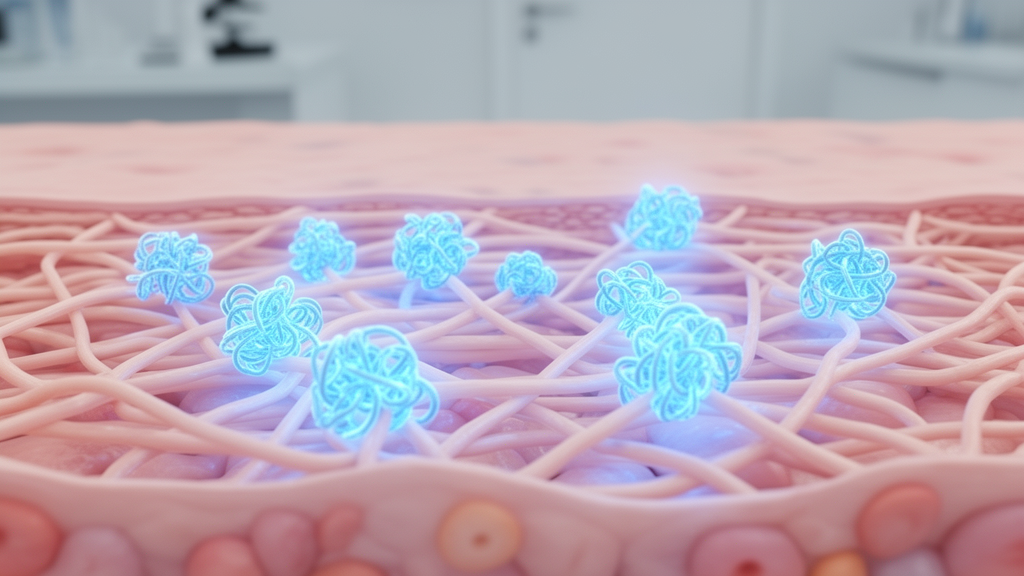
A seed amplification assay run on skin samples can detect the alpha-synuclein seeds that mark synucleinopathies and, crucially, distinguish the seed type found in multiple system atrophy from the type seen in Parkinson’s disease, according to a cohort study published in npj Parkinson’s Disease. In the 126-participant cohort, the skin-based assay reached 100% specificity and matched the cerebrospinal fluid classification of seed type in 97.8% of cases.

The alpha-synuclein seed amplification assay (synSAA) is a biomarker test that identifies underlying synuclein pathology in living patients. Cerebrospinal fluid versions of the assay can already separate Type 2 syn-seeds, the signature of multiple system atrophy (MSA), from Type 1 syn-seeds found in other synucleinopathies. Skin had been proposed as an alternative biospecimen for the assay, but syn-seeds had not been consistently detected and identified in MSA skin samples until now.

The research team analyzed a cohort that was deliberately enriched in Parkinson’s disease, with 64 participants, and in MSA, with 28 participants. This composition gave the study enough cases in both disease groups to evaluate how well the skin assay performed against the established cerebrospinal fluid test.

Their skin-based synSAA reached a sensitivity of 69% for Parkinson’s disease and 75% for MSA, meaning it correctly flagged roughly seven in ten Parkinson’s cases and three in four MSA cases. Specificity was 100%, so in this cohort the assay produced no positive results in participants without the target pathology. Agreement between the skin assay and the established cerebrospinal fluid assay reached 84.3% overall.

The most striking result concerned seed typing. The amplification pattern of MSA skin samples allowed clear identification of Type 2 syn-seeds, and agreement in syn-seed type between skin and cerebrospinal fluid reached 97.8%. A positive skin result did not merely confirm that synuclein pathology was present; it also revealed which pathological seed type was driving the patient’s disease, matching the classification obtained from cerebrospinal fluid in nearly every case.

The authors report that syn-seeds detected in skin correlated with those in cerebrospinal fluid. According to the study, the skin assay allowed detection and differentiation of the underlying synuclein pathology, supporting the idea that the skin test reflects the same pathological process measured in the cerebrospinal fluid specimen.

The study’s scope and limitations matter when weighing these numbers. Sensitivities below 80% mean the skin assay missed a substantial minority of cases in both disease groups. The cohort was enriched in Parkinson’s disease and MSA rather than drawn from a general clinical population, so performance in broader, less selected settings remains to be established. The published version is also an accepted manuscript shared early for faster access, subject to further edits before the final Version of Record.

Even so, the combination of 100% specificity, near-perfect seed-type agreement with cerebrospinal fluid, and clear Type 2 seed identification in skin marks a measurable advance for a biospecimen that had been proposed as an alternative to cerebrospinal fluid for synuclein seed testing. The findings establish that syn-seeds can be detected and typed in skin across synucleinopathies, closing a gap that had previously limited the use of skin samples in multiple system atrophy.

Subject of Research: Skin-based alpha-synuclein seed amplification assay for detecting and typing synuclein pathology in multiple system atrophy and Parkinson's disease

Article Title: Skin α-synuclein seed amplification assay for the identification of multiple system atrophy

Article References: Ma, Y., Weber, S., Farris, C. M., Schnell, S., Ebentheuer, J., Saathoff, Y., Kalinkara-Gomez, J., Murphy, D. M., Mollenhauer, B., & Concha-Marambio, L. (2026). Skin α-synuclein seed amplification assay for the identification of multiple system atrophy. npj Parkinson's Disease. https://doi.org/10.1038/s41531-026-01565-8

Image Credits: AI Generated

DOI: 10.1038/s41531-026-01565-8

Keywords: alpha-synuclein, seed amplification assay, multiple system atrophy, Parkinson's disease, skin biospecimen, biomarker, cerebrospinal fluid, synucleinopathies, seed typing, diagnostics, npj Parkinson's Disease, cohort study

Cite Scienmag News

Ophelia Keating. (October 24, 2026). Skin assay detects and types alpha-synuclein seeds in multiple system atrophy. Scienmag. https://scienmag.com/skin-assay-detects-and-types-alpha-synuclein-seeds-in-multiple-system-atrophy/

Ophelia Keating. "Skin assay detects and types alpha-synuclein seeds in multiple system atrophy." Scienmag, 24 October 2026, https://scienmag.com/skin-assay-detects-and-types-alpha-synuclein-seeds-in-multiple-system-atrophy/. Accessed 24 October 2026.

Ophelia Keating. "Skin assay detects and types alpha-synuclein seeds in multiple system atrophy." Scienmag. October 24, 2026. https://scienmag.com/skin-assay-detects-and-types-alpha-synuclein-seeds-in-multiple-system-atrophy/
Tags: alpha-synucleinalpha-synuclein seed amplification assaybiomarkercerebrospinal fluidcerebrospinal fluid seed classificationCohort studydetection of alpha-synuclein in skin samplesdiagnosticsdistinguishing MSA from Parkinson's diseaselive patient biomarker testing for synucleinopathieslong-tail keywords for synucleinopathy diagnosismultiple system atrophymultiple system atrophy diagnosisnon-invasive diagnosis ofnpj Parkinson's DiseaseParkinson's diseaseParkinson's disease biomarker detectionseed amplification assayseed typingsensitivity of skin assayskin biospecimenskin-based biomarker for synucleinopathiesspecificity of skin assay in neurodegenerative diseasessynucleinopathies
Share26Tweet16
Previous Post

Heritage–tourism coordination in Chinese cities is highly scale-sensitive

Next Post

How Antiviral Innate Immunity Shapes Viral Myocarditis Outcomes

Related Posts

Rare Klebsiella Spinal Abscess Masqueraded as Tuberculosis in a Diabetic Patient
Medicine

Rare Klebsiella Spinal Abscess Masqueraded as Tuberculosis in a Diabetic Patient

October 24, 2026
Pregnant adolescent refugees in Uganda reveal how they cope after HIV disclosure
Medicine

Pregnant adolescent refugees in Uganda reveal how they cope after HIV disclosure

October 24, 2026
Breast Cancer Drug Lapatinib Shows Modest Boost to Ultrasound Therapy in Prostate Cancer Cells
Medicine

Breast Cancer Drug Lapatinib Shows Modest Boost to Ultrasound Therapy in Prostate Cancer Cells

October 24, 2026
AI Moves Into Vascular Surgery, But Most Models Still Await Real-World Proof
Medicine

AI Moves Into Vascular Surgery, But Most Models Still Await Real-World Proof

October 24, 2026
AI Learns From Three Teacher Networks to Spot Confusable Chinese Medicine Slices
Medicine

AI Learns From Three Teacher Networks to Spot Confusable Chinese Medicine Slices

October 24, 2026
Largest real-world cohort confirms PSMA radiopharmaceutical therapy works in routine prostate cancer care
Medicine

Largest real-world cohort confirms PSMA radiopharmaceutical therapy works in routine prostate cancer care

October 24, 2026
Next Post
How Antiviral Innate Immunity Shapes Viral Myocarditis Outcomes

How Antiviral Innate Immunity Shapes Viral Myocarditis Outcomes

  • Mothers who receive childcare support from maternal grandparents show more optimized

    Mothers who receive childcare support from maternal grandparents show more parental warmth, finds NTU Singapore study

    27656 shares
    Share 11059 Tweet 6912
  • University of Seville Breaks 120-Year-Old Mystery, Revises a Key Einstein Concept

    1061 shares
    Share 424 Tweet 265
  • Bee body mass, pathogens and local climate influence heat tolerance

    682 shares
    Share 273 Tweet 171
  • Researchers record first-ever images and data of a shark experiencing a boat strike

    546 shares
    Share 218 Tweet 137
  • Groundbreaking Clinical Trial Reveals Lubiprostone Enhances Kidney Function

    531 shares
    Share 212 Tweet 133
Science

Embark on a thrilling journey of discovery with Scienmag.com—your ultimate source for cutting-edge breakthroughs. Immerse yourself in a world where curiosity knows no limits and tomorrow’s possibilities become today’s reality!

RECENT NEWS

  • Rare Klebsiella Spinal Abscess Masqueraded as Tuberculosis in a Diabetic Patient
  • Pregnant adolescent refugees in Uganda reveal how they cope after HIV disclosure
  • Breast Cancer Drug Lapatinib Shows Modest Boost to Ultrasound Therapy in Prostate Cancer Cells
  • Authenticity, not human likeness, linked to chatbot use intentions among older adults

Categories

  • Agriculture
  • Anthropology
  • Archaeology
  • Athmospheric
  • Biology
  • Biotechnology
  • Blog
  • Bussines
  • Cancer
  • Chemistry
  • Climate
  • Earth Science
  • Editorial Policy
  • Marine
  • Mathematics
  • Medicine
  • Pediatry
  • Policy
  • Psychology & Psychiatry
  • Science Education
  • Science News
  • Social Science
  • Space
  • Technology and Engineering

Subscribe to Blog via Email

Enter your email address to subscribe to this blog and receive notifications of new posts by email.

Join 5,152 other subscribers

© 2025 Scienmag - Science Magazine

Welcome Back!

Login to your account below

Forgotten Password?

Retrieve your password

Please enter your username or email address to reset your password.

Log In
No Result
View All Result
  • HOME
  • SCIENCE NEWS
  • CONTACT US

© 2025 Scienmag - Science Magazine

Discover more from Science

Subscribe now to keep reading and get access to the full archive.

Continue reading