


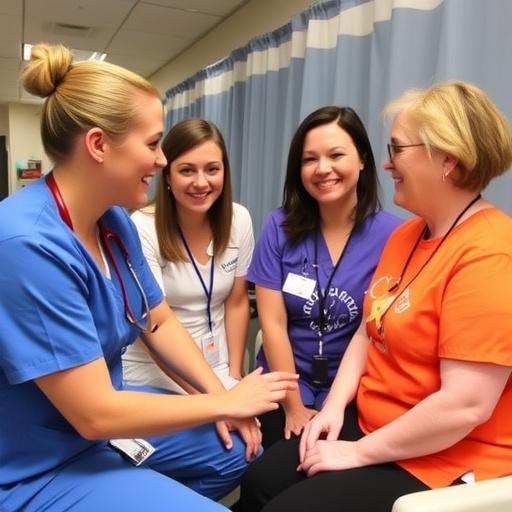
In a groundbreaking study that sheds light on the emotional and psychological landscape of nursing education, researchers have delved into the first encounters of senior nursing students with death and dying. This critical period in their education not only highlights their academic preparation but also illuminates the personal and ethical dimensions of caring for patients at the end of life. Such experiences are pivotal as they mold the future practices and attitudes of these budding healthcare professionals.
The qualitative research conducted by Keskin Kızıltepe and Şeyma Yılmaz opens a window into the lived experiences of these nursing students, offering an unprecedented glimpse at how they navigate their feelings and reactions during moments of profound emotional weight. It is evident that these initial encounters are formative, as they begin to understand the complexities involved in providing end-of-life care. This process is not merely an academic exercise; rather, it challenges their perceptions, prepares them for real-world healthcare settings, and confronts them with the finite nature of humanity.
In their study, the researchers engaged nursing students through in-depth interviews, allowing participants to articulate their feelings and reactions without the constraints often imposed by structured questionnaires. This qualitative approach ensures that the findings present a rich tapestry of emotions, insights, and reflections, which can effectively inform both nursing pedagogy and practice. As future caregivers face the realities of patient death, understanding how they process these experiences becomes vital for the development of empathetic, skilled nurses.
The emotional toll of witnessing death can be profound, especially for those who are just starting in the profession. Many students reported feelings of anxiety, fear, and even guilt, often stemming from their perceived inadequacies in providing comfort and care during these crucial moments. These sentiments illuminate the necessity for nursing curricula to better prepare students not only through technical skills but also through emotional resilience and psychological support.
Engaging with families during end-of-life scenarios further complicates their experiences. Students often felt a sense of responsibility not only to the patient but also to the grieving family members. Their accounts revealed a tension between professional duty and personal emotional reactions, a dynamic that highlights the need for improved training in communication and support skills. This dual responsibility fosters a deep sense of connection but also presents challenges in balancing their emotional responses while providing compassionate care.
Moreover, the study underscores the importance of mentorship and emotional support systems within nursing programs. Experienced nurses play a crucial role in guiding students through these early encounters with death, helping to normalize their feelings and providing strategies to cope with the emotional burden. Mentoring relationships create an environment where students can share their experiences openly, fostering resilience and emotional intelligence, which are essential attributes for any healthcare provider.
Reflecting on their experiences, many students articulated a greater appreciation for life and the fragility of health. The profound realization that they were a part of such intimate moments in their patients’ lives led to significant personal growth. As they learned to navigate these complex feelings, students began to reshape their understanding of what it means to be a nurse, viewing their role as not just providers of care but as stewards of the human experience.
Interestingly, the study also identified strategies employed by students to cope with the emotional weight of their experiences. Many chose to engage in self-care practices, emphasize the importance of peer support, and seek guidance from faculty. These proactive approaches served as vital tools for managing the stress and emotions associated with patient loss, demonstrating that cultivating resilience is possible even in the face of devastating experiences.
The findings of this qualitative study hold implications not only for nursing education but also for healthcare systems at large. As the demand for skilled nursing professionals continues to grow, it is imperative that programs address the emotional aspects of care. Incorporating discussions on grief, loss, and resilience into nursing curricula could equip future nurses with the tools they need to handle the complexities of end-of-life care effectively.
Furthermore, the insights gleaned from the students’ narratives can serve as a powerful reminder to educators and administrators of the vital human elements involved in nursing professions. By fostering an educational environment that prioritizes emotional awareness and support, institutions can produce nurses who not only possess technical expertise but also the compassion and understanding necessary for holistic patient care.
As healthcare evolves, the manner in which future nurses are prepared for the harsh realities of patient care must also change. This study provides key insights into the necessity of integrating emotional preparedness into the educational zeitgeist, ensuring that nursing students are not merely competent in practical skills but are also emotionally equipped to face the formidable challenges of patient care.
In conclusion, this examination of senior nursing students’ first experiences with dying and death reflects the multifaceted nature of nursing education. Such encounters profoundly influence not only the students’ professional identities but also their emotional well-being. As educators work to refine nursing curricula, these insights will be instrumental in shaping programs that emphasize both skill and empathy in equal measure. In doing so, the next generation of nurses will be better prepared to meet the profound challenges of their chosen profession with resilience and compassion.
Through this pivotal research, Kızıltepe and Yılmaz have provided a platform for ongoing dialogue about the emotional realities of nursing, one that supports and fortifies the next wave of nursing professionals who will undoubtedly face the complexities of care at the end of life. As the healthcare landscape continues to evolve, incorporating these crucial findings into educational frameworks will not only enhance nurse preparedness but will ultimately lead to improved patient experiences during one of life’s most delicate transitions.
Keskin Kızıltepe, S., Yılmaz, Ş. “I found myself in the middle of a patient’s dying scene”: a qualitative study of senior nursing students’ first experiences.
BMC Nurs 25, 15 (2026). https://doi.org/10.1186/s12912-025-04166-7
Cite Scienmag News
Ophelia Keating. (January 11, 2026). Senior Nursing Students Encounter End-of-Life Experiences. Scienmag. https://scienmag.com/senior-nursing-students-encounter-end-of-life-experiences/
Ophelia Keating. "Senior Nursing Students Encounter End-of-Life Experiences." Scienmag, 11 January 2026, https://scienmag.com/senior-nursing-students-encounter-end-of-life-experiences/. Accessed 4 September 2026.
Ophelia Keating. "Senior Nursing Students Encounter End-of-Life Experiences." Scienmag. January 11, 2026. https://scienmag.com/senior-nursing-students-encounter-end-of-life-experiences/


