


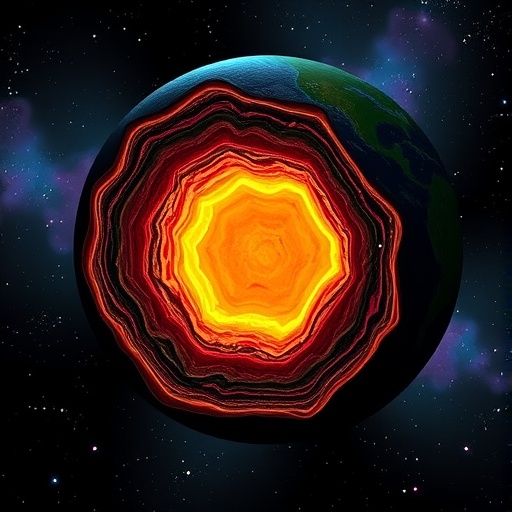
Oxygen, the most prevalent element within Earth’s mantle, plays a fundamental role in shaping the geochemical landscape of our planet. One of the key measures of oxygen’s influence in geological processes is oxygen fugacity (fO2), a parameter that quantifies the availability of oxygen to facilitate oxidation-reduction reactions. This attribute is critical in a variety of mantle processes including the depth of melting, the transfer of volatiles to the atmosphere, the composition of the crust, and the formation of ore bodies. The scientific community remains engaged in a heated debate regarding current and historical variations in mantle fO2, leading to a deeper understanding of Earth’s inner workings as well as its evolutionary narrative.
In an illuminating review, recent thermobarometric data are compiled from an array of mafic and ultramafic rocks located at geological sites such as ridges, back-arcs, and volcanic arcs. The findings suggest a stark contrast in the fO2 values between the subduction-influenced arc mantle and the mantle that supplies ocean ridges. Notably, the fO2 in arc mantle is revealed to be significantly higher, implicating unique processes at work in subduction zones that contribute to this elevated state of oxidation. This difference has profound implications for our understanding of mantle dynamics and the geochemical evolution of Earth.
The review further delves into the timing and mechanisms that may be responsible for transferring redox budgets into the arc mantle wedge. It underscores how the interplay of various tectonic processes contributes to the overall oxidation state of the mantle in these regions. Enhanced fO2 can potentially influence magma generation and the characteristics of volcanic eruptions, making it a vital area of study for geoscientists and volcanologists alike. Understanding these mechanisms could unlock new insights into the material transfer processes that govern our planet’s geological activities.
In an intriguing finding, a newly explored proxy for vanadium—a redox-sensitive element—validates the hypothesis of a more oxidized state in the arc mantle, casting doubts on prior assumptions regarding ambient mantle oxidation since the Archaean. This proxy serves as a window into the ancient geochemical environments and their evolutionary trajectories, offering robust evidence against the notion of substantial oxidation in Earth’s mantle over the last several billion years. Instead, the research suggests a more stable fO2 framework through significant geological time periods.
The study also provides a retrospective look into the Hadean epoch, over four billion years ago, when the Earth was primarily characterized by a magma ocean that existed as a silicate liquid equilibrated with a liquid metal alloy. During this formative period, oxygen availability promoted the rapid oxidation of the upper mantle, pushing the fO2 of this region to considerably higher levels. This historical perspective aligns with theories of core formation and the primordial atmosphere, emphasizing the foundational role of fO2 in shaping the characteristics of the planetary mantle.
In contemplating the future of mantle research, the review posits that further investigations are critical to untangle the complex coevolution of mantle fO2 with Earth’s primitive atmosphere. The interplay between mantle oxidation and processes like magma ocean crystallization and degassing provides fertile ground for future exploration that could yield insights into both current dynamics and ancient conditions of our planet.
Overall, the comprehensive synthesis of this research showcases the pivotal role of oxygen fugacity in Earth’s mantle system, prompting a call to action for continued investigations. This new body of work urges scientists to consider the myriad ways in which redox states affect mantle dynamics and, consequently, the broader geochemical cycles that manifest across Earth’s surface.
Consolidating multiple lines of evidence from various geological settings enhances our understanding of the intricate processes that govern our planet. With emerging techniques in geochemistry and advanced modeling approaches, researchers are poised to delve deeper into the nuances of mantle oxidation and its far-reaching consequences. Through this lens, we can amplify our knowledge of internal Earth processes, unraveling the mysteries behind volcanic activity, ore genesis, and even the origins of life as influenced by the planet’s internal geochemistry.
As we stand on the shoulders of past research, the implications of this review extend beyond mere academic curiosity. The insights gained from understanding mantle fO2 could impact various fields, including mineral exploration, environmental science, and even natural disaster preparedness. The interconnectedness of geological processes linked to mantle dynamics outlines a critical pathway for advancing geoscience and its practical applications in addressing contemporary challenges.
In summary, the review encapsulates a significant shift in the perception of Earth’s mantle oxygen fugacity, emphasizing the importance of understanding both its present state and its historical evolution. The high fO2 values observed in arc mantle as opposed to oceanic ridge mantle compel the scientific community to reevaluate existing models of mantle behavior and explore the implications of these findings for our understanding of Earth’s geological narrative.
Cottrell, E., Canil, D., Langmuir, C. et al. Earth’s past and present mantle oxygen fugacity. Nat Rev Earth Environ 6, 728–746 (2025). https://doi.org/10.1038/s43017-025-00735-1
Cite Scienmag News
Violet Maxwell. (November 4, 2025). Revealing Earth’s Mantle: Oxygen Fugacity Through Time. Scienmag. https://scienmag.com/revealing-earths-mantle-oxygen-fugacity-through-time/
Violet Maxwell. "Revealing Earth’s Mantle: Oxygen Fugacity Through Time." Scienmag, 4 November 2025, https://scienmag.com/revealing-earths-mantle-oxygen-fugacity-through-time/. Accessed 4 September 2026.
Violet Maxwell. "Revealing Earth’s Mantle: Oxygen Fugacity Through Time." Scienmag. November 4, 2025. https://scienmag.com/revealing-earths-mantle-oxygen-fugacity-through-time/


