


In a groundbreaking study published in Molecular Plant-Microbe Interactions, researchers have uncovered vital insights into the pathogenic mechanisms employed by Fusarium graminearum, a notorious fungal pathogen responsible for the devastating disease known as Fusarium head blight (FHB). This discovery could potentially pave the way for developing genetically engineered crops resistant to this harmful pathogen that significantly compromises wheat and barley production worldwide. The findings emphasize the importance of understanding plant-pathogen interactions at a molecular level, which is critical for enhancing crop resilience and ensuring global food security.
The research team, spearheaded by Matthew Helm from the U.S. Department of Agriculture—Agricultural Research Service (USDA-ARS), alongside prominent researchers Roger Innes of Indiana University Bloomington and Kim Hammond-Kosack from Rothamsted Research in the UK, focused on a specific fungal protein termed TPP1. This effector protease is secreted during F. graminearum infection, positioning it as a crucial player in the fungus’s ability to manipulate plant immune responses. The study meticulously showcases how TPP1 targets the chloroplasts within plant cells, structures that play an essential role not just in photosynthesis but also in the plant’s immune signaling.
One of the most intriguing aspects of this research is the revelation that the TPP1 protein operates from a strategic location within the plant cell. By targeting the chloroplast, TPP1 effectively subverts the plant’s innate immune mechanisms, allowing the fungus to thrive and propagate. Previous efforts to combat F. graminearum were often hampered by our limited understanding of its attack vectors, but this revelation opens a new chapter in the field of plant pathology. Helm expressed enthusiasm over this finding, noting its potential transformative impact on disease-resistant crop development.
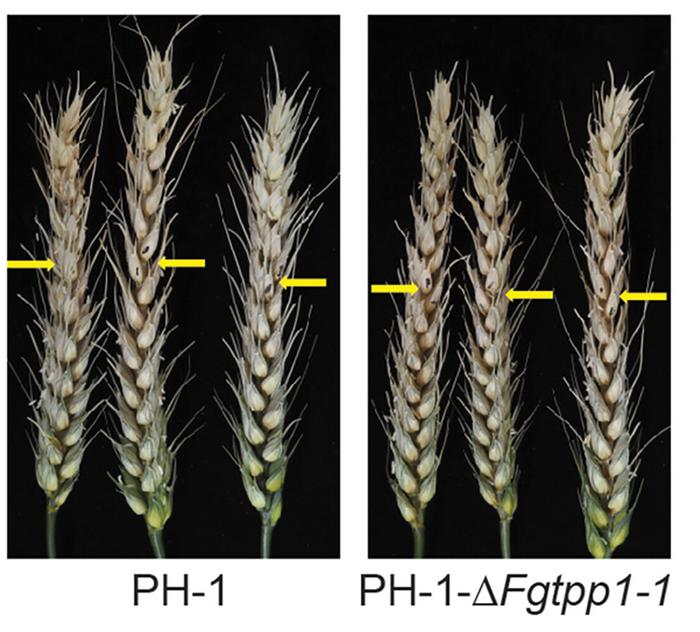
Fusarium head blight remains a significant threat, causing not only yield losses but also contaminating grains with mycotoxins harmful to both human and animal health. The researchers discovered that knocking out the TPP1 gene significantly diminishes the virulence of F. graminearum, validating its critical role in the infection cycle. The implications of this are profound; understanding the function of such effector proteins cultivates a clearer picture of the sophisticated interplay between pathogens and host defenses, highlighting pathways that might be manipulated for crop protection.
The ramifications of identifying TPP1 extend beyond mere fungal biology; they suggest a new approach in crop science that could involve "decoy" engineering strategies. By deliberately inducing or designing plant responses to counteract TPP1’s effects, scientists may foster the development of wheat and barley varieties endowed with inherent resistance to Fusarium attacks. This represents a pivotal shift towards innovative agri-biotechnology solutions, aligning with the pressing global need to enhance food security in the face of climate change challenges and burgeoning food demand.
Moreover, the conservation of TPP1 across a diverse group of fungal pathogens implies that this research could have broader implications, potentially allowing for the development of cross-resistance strategies against various plant diseases. The findings indicate that other fungal species may utilize similar mechanisms in their attacks, inspiring further inquiries into the biochemical pathways utilized by these pathogens. This could lead to the discovery of universal targets for disease resistance in a wide range of agricultural crops.
This study also reinforces the concept that understanding molecular interactions can drive public health initiatives. The correlation between agricultural practices and food safety is evident, especially considering the public health implications of mycotoxin contamination in food supplies. Thus, advancing our comprehension of fungal pathogens represents critical work not only for agricultural experts but also for global health practitioners.
As the researchers delve deeper into the functional characterization of fungal proteins like TPP1, the potential applications for genetic engineering become increasingly promising. There lies an opportunity to synthesize an enhanced understanding of plant-pathogen dynamics, which can inform breeding programs aiming to cultivate crops with predisposed resistance traits to common threats. The future of agricultural resilience may very well hinge on these advanced biotechnological strategies, drawing from foundational research like this one.
This discovery reaffirms the notion that combating plant pathogens involves more than simply understanding their external manifestations; it necessitates a comprehensive grasp of their inner workings—the biochemical signals, the evasive maneuvers, and the intricate nature of plant defenses. As global populations swell and agricultural challenges intensify, the spotlight on research that can facilitate practical solutions to crop diseases grows ever more critical.
The innovative potential of this research lays an optimistic path towards bioengineering more resilient crops, which is crucial for safeguarding agricultural productivity and food security amidst evolving environmental conditions. Strategically leveraging this knowledge could be key to thwarting one of agriculture’s most formidable adversaries. Ultimately, the integration of scientific inquiry and biotechnological advancements could foster a new era in sustainable agriculture.
In conclusion, this study provides a compelling foundation for future research initiatives aimed at exploiting the vulnerabilities of Fusarium graminearum. This is not merely a biological investigation but a clarion call to reevaluate agricultural strategies with a focus on science-driven interventions that promise to secure our food systems against evolving threats in the years to arise.
News Publication Date: 3-Apr-2025.
Web References: DOI link.
References: None provided.
Keywords
Plant Pathology, Fusarium Head Blight, TPP1 Protein, Crop Resistance, Fungal Pathogens, Agricultural Biotechnology, Food Security, Plant Immunity, Mycotoxins, Sustainable Agriculture.
Cite Scienmag News
Alan Morgan. (June 3, 2025). Researchers Identify Key Fungal Protein Linked to Fusarium Head Blight in Cereal Crops. Scienmag. https://scienmag.com/researchers-identify-key-fungal-protein-linked-to-fusarium-head-blight-in-cereal-crops/
Alan Morgan. "Researchers Identify Key Fungal Protein Linked to Fusarium Head Blight in Cereal Crops." Scienmag, 3 June 2025, https://scienmag.com/researchers-identify-key-fungal-protein-linked-to-fusarium-head-blight-in-cereal-crops/. Accessed 4 September 2026.
Alan Morgan. "Researchers Identify Key Fungal Protein Linked to Fusarium Head Blight in Cereal Crops." Scienmag. June 3, 2025. https://scienmag.com/researchers-identify-key-fungal-protein-linked-to-fusarium-head-blight-in-cereal-crops/


