


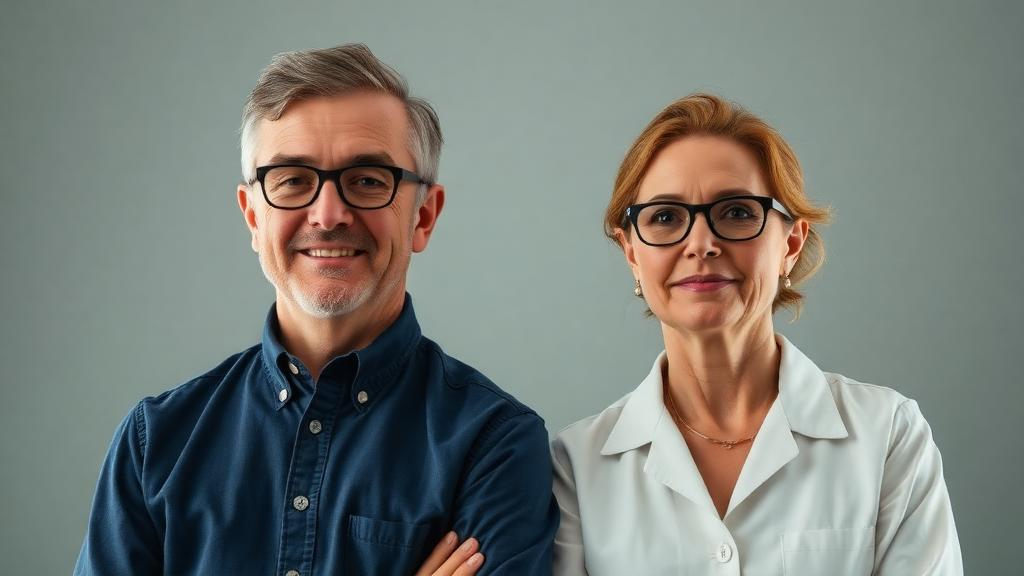
When two scientists fall in love over the mechanics of blood flow, the result can be a scientific revolution. That is the story told in a moving tribute published in the Annals of Biomedical Engineering, where colleagues and former trainees of Dr. Suzanne G. Eskin (1939–2024) and Dr. Larry V. McIntire (1943–2026) chronicle how a married couple working at the crossroads of biology and physics helped establish mechanobiology as a cornerstone of modern medicine. Their collaboration, which began in Houston and eventually spanned two decades of marriage and more than fifty co-authored papers, demonstrated that the mechanical forces of flowing blood are not passive background conditions but active signals that shape the behavior of cells, the formation of clots, and the progression of disease.
Suzanne Gaston Eskin, known to everyone as Suzie, was born in Houston, Texas, in 1939 and earned her bachelor’s and master’s degrees in biology at Rice University before completing a doctorate in zoology at the University of Texas at Austin in 1969. Her early career at Baylor College of Medicine placed her alongside the legendary cardiac surgeon Dr. Michael DeBakey, where she contributed to the development of early generations of left ventricular bypass pumps. That work posed a deceptively simple question: why do artificial surfaces and vascular grafts fail inside the body? Her answer was to bring the living cells of the vessel wall into the laboratory, isolating and culturing endothelial and smooth muscle cells on synthetic substrates and measuring how they responded to the physical forces associated with blood flow. These in vitro vascular cell culture models became one of her most enduring gifts to the scientific community, allowing researchers everywhere to dissect tissue-level responses to injury and disease under controlled conditions.
Larry Vern McIntire arrived at Rice University in 1970 as a freshly minted chemical engineer, holding degrees from Cornell and Princeton and a deep expertise in fluid mechanics. Where biologists saw cells, Larry saw systems governed by shear stress, viscosity, and transport phenomena. He applied that training to cardiovascular physiology with a rigor that transformed the field, rising to chair the Department of Chemical Engineering in 1981, direct the Institute of Biosciences and Bioengineering in 1991, and found the Department of Bioengineering in 1997. In 2003 he took the helm of the joint Georgia Institute of Technology and Emory University Biomedical Engineering department, expanding it into a program of national and international prominence before his retirement in 2013. His election as a fellow of the National Academy of Engineering, along with four other professional societies, reflected a career spent building bridges between engineering and medicine.
The technical heart of their partnership lay in the flow chamber. Larry innovated parallel plate flow chambers into continuous-flow systems that could sustain living cell cultures for long periods under precisely controlled shear stresses, while complementary devices stretched cells to mimic the cyclic wall stresses of a beating artery. With these tools, the couple and their collaborators made a discovery that now sits in every mechanobiology textbook: endothelial cells respond differently to distinct mechanical forces, altering the secretion of molecules such as prostacyclin and tissue plasminogen activator depending on the flow regime they experience. This gave rise to the concept of mechanochemical signal transduction, the idea that mechanical stimuli are converted into biochemical instructions inside the cell. Later, using high-throughput gene expression methods, they identified mechanosensitive genes that no one had previously suspected of playing a role in vascular biology, opening research directions that continue today.
Their flow systems also illuminated some of medicine’s most stubborn clinical problems. In sickle cell disease, the couple showed that adhesion between sickled erythrocytes and endothelial cells is dramatically enhanced under shear conditions, marking a key initiating event in the microvascular occlusion that causes excruciating pain crises. Crucially, they established that vaso-occlusion is not simply a consequence of stiffened red blood cells clogging narrow vessels, but a dynamic, flow-dependent process driven by endothelial activation, including the release of ultra-large von Willebrand factor multimers and the expression and shedding of adhesion molecules. Vaso-occlusion, in other words, is a coupled biomechanical and biochemical process, a reframing that unified previously separate lines of research and suggested new therapeutic targets.
The same experimental logic extended to inflammation and cancer. Their studies demonstrated that selectin ligands coordinate the initial rolling and adhesion of neutrophils to inflamed endothelial cells under venous shear conditions, while β2 integrins mediate the subsequent transmigration into tissue, and that these same interactions govern the formation of neutrophil-platelet aggregates in flowing blood. These were among the first studies to identify specific molecular pathways for force-selective cell adhesion, and they spearheaded mechanobiologically unified models of sickle cell pathophysiology, inflammation, and tumor cell adhesion during metastasis. The message was consistent: to understand how cells behave in the bloodstream, one must understand the physics of the bloodstream.
Blood clots themselves proved equally obedient to mechanical principles. Drawing on his training in non-Newtonian fluid mechanics, Larry investigated the viscoelastic properties of clots long before modern high-resolution microscopy existed, arguing that clot strength depends not only on platelet density but also on platelet aggregability and clot contractility. By adapting real-time visualization techniques from their flow chambers, Larry, Suzie, and collaborators showed that different hemostatic mechanisms regulate distinct phases of mural thrombus formation, and that dynamic adhesion models are essential for evaluating antiplatelet therapies. Perhaps most elegantly, their work on platelet interactions with von Willebrand factor revealed catch-slip bonds, molecular attachments that strengthen under increasing force before eventually releasing. This counterintuitive behavior explains why platelets and von Willebrand factor dominate arterial thrombi but not venous ones, a distinction of direct relevance to heart attack and stroke. The couple’s curiosity even reached into the cytoskeleton, where atomic force microscopy and molecular dynamics simulation revealed catch-slip bonds in actin regulated by signaling molecules.
Beyond the laboratory, the couple built institutions and, just as deliberately, built people. Larry mentored nearly one hundred graduate students and postdoctoral fellows, co-advising thirty-one doctoral students with Suzie. Their laboratory attracted trainees from across the globe from the 1970s onward, and the tribute emphasizes that their commitment to international and women scientists was practical rather than symbolic: they placed trainees in positions to succeed and expected them to do so. Many of those trainees now hold leadership positions across academia and industry. Larry also championed tissue engineering in its infancy, co-editing the early reference volume Frontiers in Tissue Engineering in 1998, launching an annual summer short course now in its thirty-third year, and chairing a federal panel whose report guided international investment in the field. With colleagues he co-authored the textbook Bioengineering Fundamentals, and as Editor-in-Chief of the Annals of Biomedical Engineering from 2002 to 2009 he doubled the journal’s impact factor and helped spawn two sister journals, defining biomedical engineering as an independent and impactful discipline.
Suzie Eskin passed away on March 27, 2024, after bravely battling Lewy body disease, and Larry McIntire passed away on January 23, 2026, in Stone Mountain, Georgia. What they leave behind is more than a bibliography of more than 250 publications, from the effects of mechanical trauma on leukocytes to endothelial cell migration modeled with Markov chains. They leave a way of thinking, in which the pulsing, shearing, stretching forces of the circulatory system are treated as first-class biological signals, and in which engineering rigor and biological curiosity are inseparable. Their former students, now writing their memorial, pledge to carry forward the same curiosity, integrity, and kindness that defined two scientists who proved that the best collaborations, like the best bonds, can grow stronger under load.
Subject of Research: Memorial tribute to vascular mechanobiology pioneers Dr. Suzanne G. Eskin and Dr. Larry V. McIntire
Article Title: In memory of Dr. Suzanne G. Eskin (1939–2024) and Dr. Larry V. McIntire (1943–2026)
Article References: Brey, E. M., Conway, D. E., Diamond, S. L., Frangos, J. A., Gonzalez, A. L., Hubbell, J. A., Konstantopoulos, K., Lawrence, M. B., Lee, C.-Y., Nguyen, K. T., Ramasubramanian, A. K., Shiu, Y.-T., Williams, M. R., & Yee, A. (2026). In memory of Dr. Suzanne G. Eskin (1939–2024) and Dr. Larry V. McIntire (1943–2026). Annals of Biomedical Engineering. https://doi.org/10.1007/s10439-026-04387-0
Image Credits: AI Generated
DOI: 10.1007/s10439-026-04387-0
Keywords: mechanobiology, vascular biology, endothelial cells, shear stress, sickle cell disease, thrombosis, von Willebrand factor, tissue engineering, biomedical engineering, mentorship, catch-slip bonds, Rice University
Cite Scienmag News
Katie Riggs. (October 1, 2026). Remembering the Scientific Power Couple Who Taught Blood Vessels to Obey Physics. Scienmag. https://scienmag.com/remembering-the-scientific-power-couple-who-taught-blood-vessels-to-obey-physics/
Katie Riggs. "Remembering the Scientific Power Couple Who Taught Blood Vessels to Obey Physics." Scienmag, 1 October 2026, https://scienmag.com/remembering-the-scientific-power-couple-who-taught-blood-vessels-to-obey-physics/. Accessed 4 October 2026.
Katie Riggs. "Remembering the Scientific Power Couple Who Taught Blood Vessels to Obey Physics." Scienmag. October 1, 2026. https://scienmag.com/remembering-the-scientific-power-couple-who-taught-blood-vessels-to-obey-physics/


