

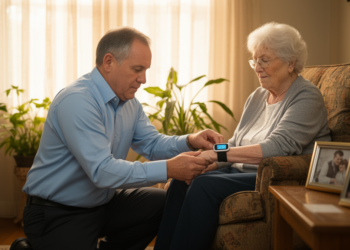
Biomedical engineering’s next test: proving value where patients actually live
A new journal section challenges biomedical engineers to prove their devices deliver real clinical outcomes for patients, from intensive care ...
A new journal section challenges biomedical engineers to prove their devices deliver real clinical outcomes for patients, from intensive care ...
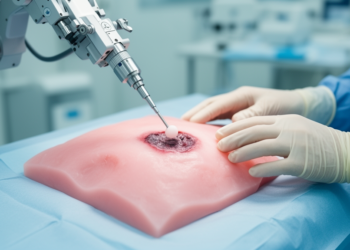
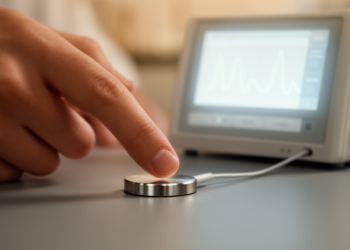
A static indentation sensor with a spherical tip estimated tissue stiffness in silicone phantoms and mapped hidden stiff inclusions more ...
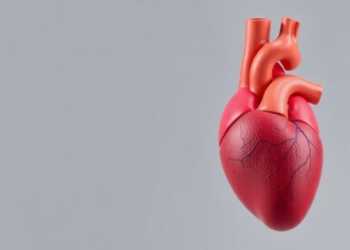
An open access tutorial in Advances in Simulation provides a five-step, code-inclusive introduction to cardiopulmonary physiological modelling for students and ...
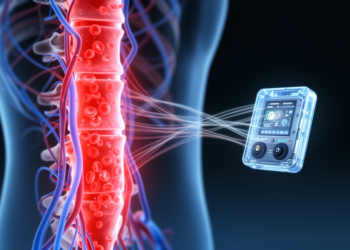
A closed-loop controller that measures spinal cord blood flow with ultrasound and automatically adjusts norepinephrine reduced flow deviations and preserved ...
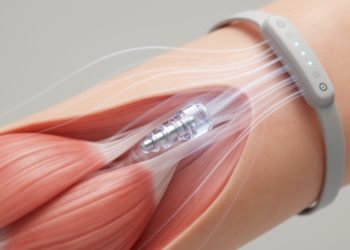
A skin-mounted magnetometer array wirelessly tracks implanted magnetic beads to sense muscle dynamics and drive neuroprosthetic control.
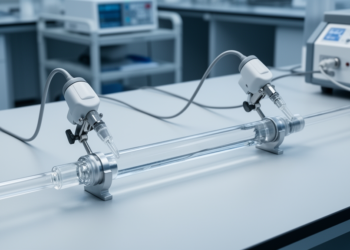
A dual-site ultrasound system estimated pulse wave velocity and systolic blood pressure simultaneously in a controlled arm phantom, with the ...

Researchers applied the four principles of common morality theory to AI, bioprinting, robotics and other Healthcare 5.0 technologies, identifying expected ...
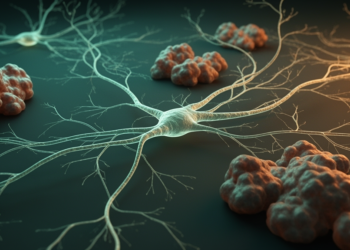
A systematic review of 20 studies finds chaos theory applied across cardiology, neurology and oncology, but with wide heterogeneity and ...
A four-cell CSRR microwave sensor on FR4 achieved 80 percent glucose classification accuracy with wavelet-based machine learning and reported sensitivities ...
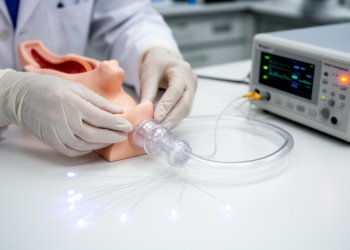
Bench tests show a tracheal tube with fibre Bragg grating sensors embedded in its cuff can detect contact with the ...


Embark on a thrilling journey of discovery with Scienmag.com—your ultimate source for cutting-edge breakthroughs. Immerse yourself in a world where curiosity knows no limits and tomorrow’s possibilities become today’s reality!