


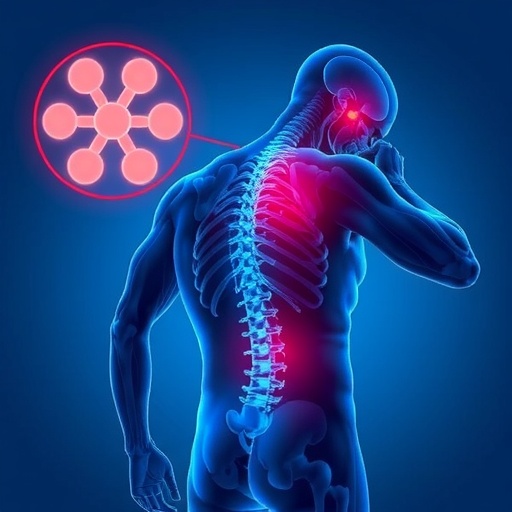
In the journey of recovery following open heart surgery, patients often face a multifaceted challenge that extends beyond the physical healing of surgical wounds or the normalization of vital signs. One critical aspect that influences outcomes in these patients is the psychological response to pain and the subsequent fear of movement. An insightful study has shed light on this issue, exploring how pain influences fear of movement in the early postoperative period, framed through the lens of the fear-avoidance model, fittingly highlighting the role of various moderating factors.
Pain is not merely a symptom; it is a complex phenomenon that encompasses sensory, emotional, and cognitive components. In the context of surgery, pain can act as a double-edged sword. While it serves as an essential biological signal indicating injury or healing, it can also instigate a psychological response that leads to fear—particularly the fear of engaging in movements that could potentially exacerbate discomfort or lead to further injury. This fear is particularly pertinent after major surgeries such as open heart surgery, where the structural and physiological changes in the body can make even basic movements daunting for patients.
The fear-avoidance model provides a robust framework for understanding how pain can escalate into fear and avoidance behavior. In essence, when individuals interpret pain as a threat, they may avoid physical activity, fearing that such movements will worsen their condition. This avoidance behavior, while initially protective, can lead to a cycle of increased pain and decreased physical functioning, ultimately hindering recovery. Understanding how this cycle operates in the context of open heart surgery can illuminate essential pathways for intervention.
Moderating factors play a crucial role in determining how individuals respond to pain and fear of movement. Factors such as age, psychological resilience, and previous experiences with pain or surgery can significantly influence a patient’s response to surgical recovery. Younger patients, for instance, may exhibit greater anxiety about pain and recovery, driven by a fear of disability or poor quality of life. Conversely, older patients might possess a more laid-back attitude towards pain, influenced by their life experiences, potentially leading to greater adaptability in their rehabilitation process.
The research by Gülşen et al. entails a comprehensive analysis of these dynamics, presenting a well-rounded examination of how pain and fear interplay specifically in the context of postoperative experiences. Their findings underscore the importance of assessing psychological factors in tandem with physical recovery metrics, suggesting that a holistic approach to patient care could yield significant benefits. By addressing psychological barriers such as fear, healthcare providers can enhance rehabilitation efforts, ultimately fostering improved surgical outcomes.
Importantly, healthcare professionals must be equipped to identify patients who are at a higher risk of developing fear-avoidance behaviors. This can be achieved through routine assessments post-surgery, allowing for early intervention strategies that can mitigate the development of chronic pain syndromes. Education is paramount; informing patients about the nature of post-surgical pain, what to expect in terms of recovery, and how movement is generally beneficial can empower patients and reduce their fear.
Incorporating psychological support, including cognitive-behavioral strategies, into postoperative care can also significantly benefit patients. These interventions can help patients reframe their thoughts about pain and movement, enabling them to confront rather than avoid discomfort. This paradigm shift can ultimately enhance their capacity to engage in physical activities and adhere to rehabilitation programs, which are essential for a comprehensive recovery.
Moreover, the interdisciplinary approach to patient management in the postoperative setup is vital. Collaboration among surgeons, nurses, physiotherapists, and psychologists can create a more supportive environment that recognizes the importance of both physical and mental health. Such teamwork can ensure that all facets of recovery are addressed, leading to optimized patient outcomes.
In conclusion, as the field of postoperative care continues to evolve, understanding the psychological dimensions of recovery is becoming increasingly crucial. Pain and fear of movement are inseparable aspects of the surgical experience that require comprehensive strategies encompassing both physical and psychological support. The work of Gülşen and colleagues illuminates this intersection, advocating for a more nuanced and holistic approach to postoperative care that empowers patients, enhances recovery outcomes, and promotes a sustainable return to health.
By focusing on the interplay between physical pain and mental health, future research could further unpack the complexities of recovery in surgical contexts, leading to refined interventions that are patient-centered. As we move forward, it is essential to remain cognizant of the multifaceted nature of healing, prioritizing strategies that address both the body and mind in the journey toward recovery.
Gülşen, M., Arslan, S., Ceren, E. et al. The effect of pain on fear of movement in the early period after open heart surgery according to the fear-avoidance model: the role of moderating factors.
BMC Nurs 24, 1413 (2025). https://doi.org/10.1186/s12912-025-04059-9
Cite Scienmag News
Ophelia Keating. (November 19, 2025). Post-Surgery Pain’s Impact on Movement Fear Factors. Scienmag. https://scienmag.com/post-surgery-pains-impact-on-movement-fear-factors/
Ophelia Keating. "Post-Surgery Pain’s Impact on Movement Fear Factors." Scienmag, 19 November 2025, https://scienmag.com/post-surgery-pains-impact-on-movement-fear-factors/. Accessed 3 September 2026.
Ophelia Keating. "Post-Surgery Pain’s Impact on Movement Fear Factors." Scienmag. November 19, 2025. https://scienmag.com/post-surgery-pains-impact-on-movement-fear-factors/


