


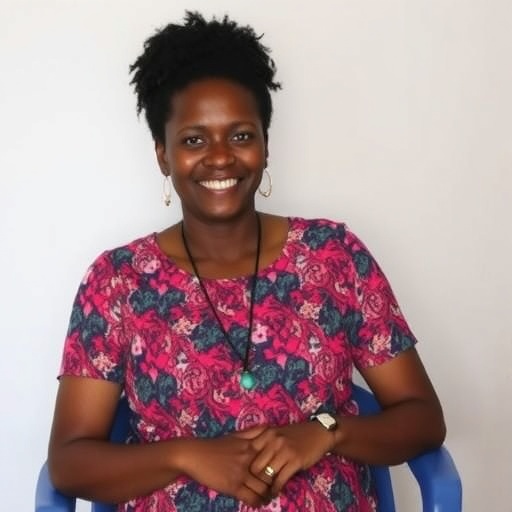
In recent years, the global health community has shifted its focus toward understanding chronic conditions, particularly type 2 diabetes, which has emerged as a significant public health challenge. A recent study spearheaded by researchers Dasantos, Goddard, and Ragoobirsingh provides critical insights into the perceptions of Barbadian patients managing this lifelong disease. The exploration subtly underscores how cultural, social, and psychological factors converge to shape health management strategies among these patients, offering valuable lessons for both clinicians and policymakers.
Type 2 diabetes is characterized by insulin resistance and is often exacerbated by lifestyle choices such as diet and physical activity. The prevalence of the disease has surged in many regions, including the Caribbean, where lifestyle changes and dietary habits have dramatically altered over recent decades. Understanding how patients perceive their illness and the strategies they employ to manage it is essential for developing tailored interventions that reflect the unique challenges they face.
The study utilized a qualitative research design, enabling the researchers to gather in-depth perspectives from Barbadian patients. Through interviews and focus groups, the researchers were able to capture rich narratives and personal experiences that highlight the emotional and psychological burdens of managing type 2 diabetes. These stories reveal not only the challenges faced but also the coping mechanisms that patients adopt, shining a light on resilience in the face of adversity.
One of the most striking findings was the influence of societal stigma associated with diabetes. Patients revealed that they often felt judged for their lifestyle choices, which can hinder their willingness to seek help or adhere to treatment plans. The societal pressures to conform to certain body images or health norms may lead to feelings of shame and isolation, further complicating the management of their condition. This stigma is indicative of a broader cultural narrative that reflects misconceptions about diabetes, often viewing it as a self-inflicted ailment rather than a complex disease with biological and environmental interdependencies.
Additionally, the study highlighted the critical role that social support networks play in the management of type 2 diabetes. Family, friends, and community resources significantly impact how individuals perceive and handle their diagnosis. Patients who reported strong social networks experienced better adherence to treatment regimens and were more likely to engage in preventive health behaviors. This finding suggests that fostering supportive environments could be a powerful strategy for improving diabetes management and health outcomes.
Despite the various challenges, the patients expressed a strong desire for education and empowerment regarding their condition. Many participants emphasized the need for accessible and culturally relevant information that addresses local dietary practices, exercise options, and mental health resources. This indicates a clear gap in existing health education that often overlooks the cultural nuances that frame health choices in Barbadian society.
The implications of this research extend beyond Barbados; the themes unearthed resonate with many communities grappling with the consequences of chronic diseases. Understanding the nuances of patient perception can inform the development of culturally sensitive health interventions that equip individuals with the knowledge and tools necessary for effective disease management. Moreover, addressing emotional and psychological factors can be vital in promoting adherence to medication and lifestyle changes, thereby improving overall health outcomes.
As healthcare providers delve deeper into the complexities of chronic illness, the importance of listening to patient voices cannot be overstated. The findings from this study call for an industry-wide shift toward patient-centered care, which prioritizes the experiences and insights of those living with diabetes. By embracing this approach, healthcare systems can cultivate environments that not only treat diseases but also enhance the quality of life for patients.
Furthermore, healthcare policymakers must consider the insights from this research when designing public health campaigns. Initiatives that aim to reduce stigma, promote social support, and provide comprehensive education can lead to more effective management of type 2 diabetes in Barbadian and similar contexts. Tailoring strategies to fit the cultural and social landscapes will ultimately lead to better health outcomes and a more informed populace.
With the rising global rates of diabetes, studies like the one conducted by Dasantos and colleagues are crucial in shaping an informed response to this epidemic. They illuminate the significant, albeit often overlooked, factors that inform patient behaviors and health outcomes. As we face the ongoing challenges of public health, such nuanced discussions around stigma, education, and support networks can guide a more holistic approach to chronic disease management.
In conclusion, the qualitative exploration of Barbadian patients’ perceptions of managing type 2 diabetes provides invaluable findings that resonate with the broader health dialogue. By integrating these insights into patient care and public health policies, we can enhance our collective response to diabetes and promote a healthier world for future generations.
Cite Scienmag News
Glenn Wilkins. (November 19, 2025). Understanding Barbadian Patients’ Views on Diabetes Management. Scienmag. https://scienmag.com/understanding-barbadian-patients-views-on-diabetes-management/
Glenn Wilkins. "Understanding Barbadian Patients’ Views on Diabetes Management." Scienmag, 19 November 2025, https://scienmag.com/understanding-barbadian-patients-views-on-diabetes-management/. Accessed 4 September 2026.
Glenn Wilkins. "Understanding Barbadian Patients’ Views on Diabetes Management." Scienmag. November 19, 2025. https://scienmag.com/understanding-barbadian-patients-views-on-diabetes-management/


