


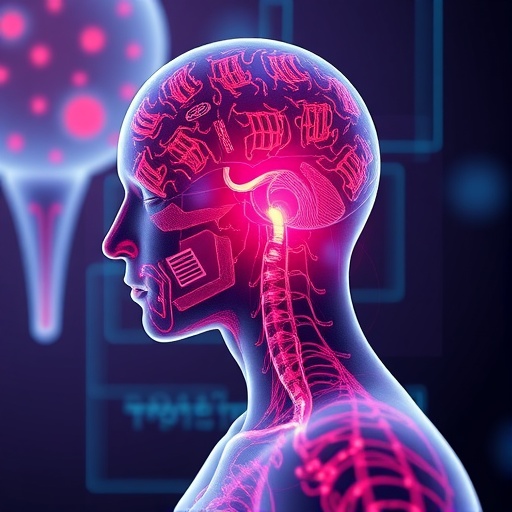
The traditional birthday cake, speckled with candles that mark the passing years, belies a deeper truth about aging—one that is far less visible yet profoundly more accurate. While everyone has a chronological age, the reality of how our bodies age is much more complex, involving what scientists now term “biological age.” This metric encapsulates the physiological wear and tear that occurs over time and provides insight into an individual’s susceptibility to diseases such as cardiovascular illness, Alzheimer’s, and more. Recent breakthroughs from Stanford Medicine offer a pioneering blood-based biomarker capable of assessing the biological age of multiple organ systems simultaneously, substantially advancing our understanding of human aging.
Chronological age, the simple count of years since birth, does not tell the whole story of how bodies deteriorate. In fact, individuals age at varying rates across different organs, which is why a 50-year-old may have the cardiovascular health of someone decades younger or older. To decode this complex puzzle, Tony Wyss-Coray, PhD, professor of neurology and director of the Knight Initiative for Brain Resilience at Stanford’s Wu Tsai Neurosciences Institute, spearheaded research that pivots on the proteomic signatures identifiable in blood. These signatures reflect the biological condition of organs such as the brain, heart, liver, and immune system with remarkable nuance and predictive power.
The study leveraged a vast dataset from the UK Biobank, which has catalogued extensive health information on over half a million individuals. Among these, 44,498 participants aged 40 to 70 provided blood samples that underwent proteomic analysis, quantifying nearly 3,000 proteins. Notably, a significant subset of these proteins can be conclusively mapped back to specific organs, enabling a direct assessment of the biological aging state of targeted systems. Employing advanced machine learning algorithms, the researchers compared individual protein profiles against age-adjusted population averages to assign a biological age for 11 distinct organ systems.
This quantitative approach unveiled profound disparities in aging rates not only between individuals but also among an individual’s own organs. Approximately one-third of study participants exhibited at least one organ that deviated more than 1.5 standard deviations from the population mean biological age, signifying either accelerated or decelerated aging. Intriguingly, many people harbored multiple organs with such extreme biological ages, underscoring the mosaic nature of human aging—a phenomenon scientists are only beginning to understand profoundly.
Among the organs evaluated, the brain emerged as a prominent player, not merely in cognitive health but as a critical determinant of overall longevity. The biological age of the brain was linked with mortality risk more strongly than any other organ measured. Individuals with “extremely aged” brains faced an increased mortality risk of 182% over 15 years, while those with younger brains enjoyed a 40% reduction in risk. This stark correlation positions the brain as an essential biomarker in predicting lifespan and disease outcomes, placing it metaphorically as the “gatekeeper of longevity.”
Moreover, the biological age of organs correlated closely with disease susceptibility specific to those organs. For instance, participants with proteomic aging markers indicating an “aged” heart were at heightened risk for atrial fibrillation and heart failure. Similarly, those with biologically old lungs showed increased susceptibility to chronic obstructive pulmonary disease (COPD). The brain’s proteomic age was singularly predictive of Alzheimer’s disease risk, with an aged brain increasing odds over threefold and a youthful brain markedly reducing it. These findings illustrate how biological age assessments could revolutionize early disease detection and risk stratification.
Perhaps most striking was the predictive capability regarding Alzheimer’s disease. A biologically old brain portends a risk roughly 12 times greater for developing Alzheimer’s within a decade compared to peers with younger brains. This dramatic risk differential illustrates the potential for blood protein biomarkers to signal pathological changes long before clinical symptoms arise, opening doors for preemptive therapeutic interventions that could alter disease trajectories before irreversible damage ensues.
Extending beyond organ-level analyses, the research group recently published a subsequent study detailing how individual cell types within organs also exhibit distinct biological ages. For example, the study uncovered that people harboring two copies of the APOE4 allele—a genetic variant known to elevate Alzheimer’s risk—possess astrocytes, critical glial support cells in the brain, that appear biologically older. Intriguingly, double APOE4 carriers whose astrocytes retained youthful proteomic profiles demonstrated a neutralization of the heightened genetic risk. This nuanced insight points to cellular aging heterogeneity within organs as a key factor influencing disease predisposition.
The investigations also revealed paradoxical age profiles among cell types within the same individuals. While APOE4 carriers trended towards older astrocytes, their macrophages, immune cells tasked with cleaning pathogens and repairing tissue, were paradoxically more youthful. This suggests complex biological interactions where the aging trajectory of different cell populations may diverge, complicating but also enriching our understanding of aging biology and immune function in neurodegeneration.
Expanding these cellular aging findings to other neurodegenerative disorders, the researchers identified stark differences in the skeletal muscle cell aging profile between individuals who developed amyotrophic lateral sclerosis (ALS) and those who did not. Those with aged muscle-cell proteomic signatures had a risk over 12 times higher for ALS, detectable more than three years before symptom onset. This temporal lead could facilitate considerably earlier diagnostics and, potentially, therapeutic windows far ahead of traditional clinical diagnosis.
Though currently confined to research applications, Wyss-Coray envisions commercialization of this proteomic technology within a few years through companies such as Teal Omics and Vero Bioscience, which focus on drug target discovery and consumer health products, respectively. By streamlining testing to focus on key organs like the brain, heart, and immune system, these future assays promise cost-effective, high-resolution biological aging profiles. Such tools could transform conventional reactive medicine into proactive health care, enabling tailored interventions prior to disease manifestation.
The implications of this research are profound, signposting a paradigm shift from symptom-driven “sick care” towards predictive “health care.” Instead of waiting for ailments to emerge and then reactively treating them, physicians may soon use biological aging biomarkers to forecast and prevent disease decades in advance. This could revolutionize clinical trial design for longevity agents by providing organ-specific biological outcomes rather than waiting for overt clinical endpoints or mortality outcomes.
By integrating lifestyle and clinical data with dynamic proteomic signatures in large cohorts, future studies could illuminate how diet, exercise, medications, and supplements influence biological aging trajectories. This systems-level understanding would enable personalized anti-aging interventions, potentially decelerating organ aging and averting the cascade of age-related pathologies. Moreover, with advancing machine learning techniques, these predictive models will likely improve in precision, identifying subtle proteomic shifts that herald incipient disease.
This sweeping research, supported by the National Institutes of Health, the Milky Way Foundation, and Stanford’s Knight Initiative for Brain Resilience, heralds an era in which “biological clocks” could reliably tell us not just how old we are, but how healthy our organs truly remain. Tony Wyss-Coray’s work provides a clarion call to rethink aging not simply as an inevitable process but as a dynamic, measurable, and potentially modifiable biological phenomenon. This vision realizes the future of medicine—one that promises to extend not just lifespan, but healthy lifespan, by focusing on the molecular signatures written into our blood that narrate the aging story of our cells and organs.
—
News Publication Date: 15-Jun-2026
Web References: http://dx.doi.org/10.1038/s41591-026-04446-y
References: Wyss-Coray et al., Nature Medicine, 2026.
Cite Scienmag News
Beatrice Stafford. (June 15, 2026). Organ and Cellular Biological Age Predicts Disease Risk and Longevity, Study Finds. Scienmag. https://scienmag.com/organ-and-cellular-biological-age-predicts-disease-risk-and-longevity-study-finds/
Beatrice Stafford. "Organ and Cellular Biological Age Predicts Disease Risk and Longevity, Study Finds." Scienmag, 15 June 2026, https://scienmag.com/organ-and-cellular-biological-age-predicts-disease-risk-and-longevity-study-finds/. Accessed 3 September 2026.
Beatrice Stafford. "Organ and Cellular Biological Age Predicts Disease Risk and Longevity, Study Finds." Scienmag. June 15, 2026. https://scienmag.com/organ-and-cellular-biological-age-predicts-disease-risk-and-longevity-study-finds/


