


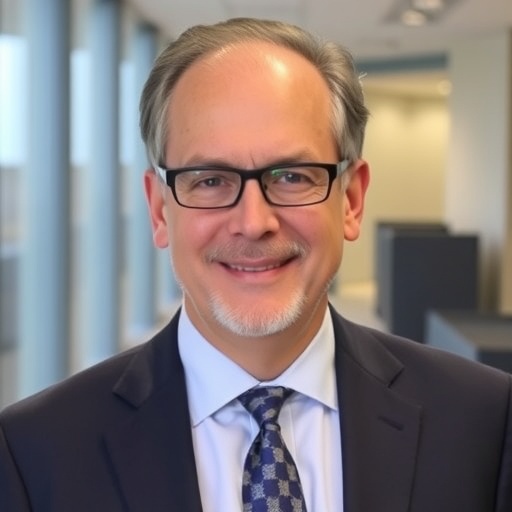
BOSTON, Massachusetts—August 14, 2026—Carl Gordon, Ph.D., managing partner at the life-sciences investment firm OrbiMed, will deliver a featured address at the 13th Aging Research & Drug Discovery (ARDD) Meeting, a gathering that has become one of the most prominent international forums for converting discoveries about biological aging into therapies. The conference will take place October 1–3 at the David Rubenstein Treehouse at Harvard University, bringing together researchers, clinicians, biotechnology executives, pharmaceutical scientists, entrepreneurs, and investors at a moment when longevity research is moving rapidly from laboratory theory toward clinical development and commercial-scale drug pipelines.
The growing interest in aging biology reflects a fundamental change in how scientists understand disease risk. Aging is not a single disorder, but a complex biological process involving interconnected changes in cellular maintenance, metabolism, immune regulation, tissue repair, and genomic stability. Researchers increasingly describe these changes through related mechanisms sometimes called the hallmarks of aging, including cellular senescence, mitochondrial dysfunction, chronic inflammation, epigenetic alterations, impaired protein quality control, and the exhaustion or malfunction of stem-cell populations. Because these processes influence multiple diseases simultaneously, interventions that modify aging biology could theoretically affect several conditions at once rather than treating each illness in isolation.
That possibility has made longevity science increasingly important to drug developers and investors. Conventional pharmaceutical research often focuses on one molecular target and one disease indication, such as a receptor involved in cancer or an enzyme associated with metabolic disease. Aging biology presents a broader challenge: a candidate intervention may influence a network of pathways operating across many tissues, and its benefits may emerge over years rather than weeks. Demonstrating efficacy therefore requires sophisticated biomarkers, long-term clinical observation, and carefully selected measures of functional health. The field is now developing tools to track biological age, immune resilience, frailty, muscle performance, cognitive function, and other indicators that may reveal whether a treatment is slowing biological decline before traditional disease endpoints become apparent.
Vadim Gladyshev, executive chair of ARDD and professor of medicine at Harvard University, said the central challenge is to combine a deeper understanding of aging with the practical work required to translate fundamental discoveries into interventions that improve healthspan. Healthspan refers to the period of life spent in relatively good health and functional independence, rather than simply the total number of years lived. Gladyshev emphasized that progress will require collaboration across disciplines and sectors, because no single laboratory or company can independently solve the biological, clinical, regulatory, and economic problems involved in developing therapies for aging-related decline.
The meeting’s organizers say ARDD 2026 will feature speakers from academia, biotechnology, major pharmaceutical companies, and the investment community. Leaders from ten of the world’s largest pharmaceutical companies are expected to participate, reflecting the increasing attention being paid to longevity-related programs within established drug-development organizations. These companies possess the capabilities needed to advance experimental biology into medicines, including medicinal chemistry, toxicology, manufacturing, regulatory strategy, and large-scale clinical testing. At the same time, academic laboratories and biotechnology companies continue to generate new therapeutic concepts, ranging from drugs that selectively eliminate senescent cells to compounds designed to improve mitochondrial function, alter nutrient-sensing pathways, or restore immune and tissue homeostasis.
Morten Scheibye-Knudsen, co-chair of ARDD and associate professor at the University of Copenhagen, said the conference’s move to Boston represents a new phase for the meeting and places it within one of the world’s strongest biomedical innovation ecosystems. The Boston-Cambridge region combines universities, hospitals, biotechnology companies, venture capital firms, and pharmaceutical research centers in a dense network that can accelerate the movement of discoveries between institutions. For aging research, that proximity may be particularly valuable because promising findings must be validated across model systems, tested for safety, linked to measurable clinical outcomes, and evaluated within healthcare systems that are still developing frameworks for therapies aimed at aging-related decline.
ARDD 2026 is officially organized by Insilico Medicine and anchored by Tier 1 sponsors Insilico Medicine and Eli Lilly. The McKinsey Health Institute will participate as the sole knowledge partner. Additional sponsors include AbbVie, AniVC, AstraZeneca, BioAge Labs, Biocytogen, Cambrian Bio, Cyclarity Therapeutics, Dior, GlycanAge, Gordian Biotechnology, Human Longevity, the Institute for Healthier Living Abu Dhabi, LongeVC, Maxwell Biosciences, Nestlé, Tally Health, and TruDiagnostic. Synaro Capital, The Cat Health Company, and PranaGen Bioscience are supporting the meeting as Tier 4 sponsors, while Estée Lauder, Morgan Stanley, the Intrinsic Capacity Frailty & Sarcopenia Research Conference for Healthy Longevity, and QuadraScope are listed as Tier 5 sponsors. The breadth of this network illustrates how aging biology now intersects with pharmaceutical development, diagnostics, consumer health, finance, and preventive medicine.
Alex Zhavoronkov, Ph.D., co-chair of ARDD and chief executive officer of Insilico Medicine, said the meeting has spent more than a decade connecting academia, pharmaceutical companies, startups, and investors. He described the current momentum as evidence that longevity biotechnology has become a foundational component of modern drug discovery and health economics. Insilico Medicine has helped popularize the use of artificial intelligence in pharmaceutical research, where computational systems can be used to identify disease-associated targets, design or optimize molecules, predict pharmacological properties, and prioritize experiments. Although artificial intelligence cannot replace biological validation, its ability to analyze large datasets and generate candidate molecules may shorten early discovery cycles and help researchers explore therapeutic strategies that would be difficult to examine manually.
A major scientific question facing the field is how to determine whether a treatment truly modifies aging biology rather than merely reducing the symptoms of one age-related disease. Researchers are investigating molecular signatures, physiological measurements, and composite clinical endpoints that could provide evidence of broader benefit. Biomarkers such as DNA methylation patterns, inflammatory proteins, immune-cell profiles, and measures of physical resilience may eventually complement conventional endpoints. However, these tools must be rigorously validated: a biomarker must reliably reflect a meaningful biological process, change in response to treatment, and predict outcomes that matter to patients. The development of such standards will be essential for regulatory approval and for distinguishing genuine advances from exaggerated claims about extending human life.
The conference will also address the practical realities of developing interventions for older adults, who frequently live with multiple interacting conditions rather than a single isolated disease. A therapy intended to improve healthspan must be evaluated for its effects on safety, cognition, mobility, muscle strength, cardiovascular function, and quality of life, while accounting for differences in genetics, nutrition, socioeconomic conditions, and access to healthcare. These complexities make aging trials technically demanding, but they also create an opportunity to redefine success in medicine. Instead of measuring progress only by whether a person avoids one diagnosis, researchers may increasingly assess whether treatments preserve the capacity to recover from illness, maintain independence, and remain active across later life.
Now in its 13th year, ARDD is described by its organizers as the world’s largest meeting dedicated to aging and longevity biotechnology. The 2026 event is intended to serve as a platform for exchanging data, forming partnerships, and shaping the next generation of therapeutic programs. The Nordic Aging Society, a nonprofit scientific organization focused on the biology of aging and collaboration across the Nordic region and beyond, is supporting the meeting. Organizers expect the Boston gathering to reflect the field’s growing maturity: longevity research is no longer confined to speculative discussions about distant possibilities, but is increasingly being judged by the same standards applied to other areas of biomedical science—mechanistic evidence, reproducible data, clinical benefit, safety, and a credible path to patients.
News Publication Date: August 14, 2026
Web References: https://agingpharma.org
Cite Scienmag News
Beatrice Stafford. (August 14, 2026). OrbiMed Managing Partner Carl Gordon to Present at ARDD Meeting in Boston. Scienmag. https://scienmag.com/orbimed-managing-partner-carl-gordon-to-present-at-ardd-meeting-in-boston/
Beatrice Stafford. "OrbiMed Managing Partner Carl Gordon to Present at ARDD Meeting in Boston." Scienmag, 14 August 2026, https://scienmag.com/orbimed-managing-partner-carl-gordon-to-present-at-ardd-meeting-in-boston/. Accessed 3 September 2026.
Beatrice Stafford. "OrbiMed Managing Partner Carl Gordon to Present at ARDD Meeting in Boston." Scienmag. August 14, 2026. https://scienmag.com/orbimed-managing-partner-carl-gordon-to-present-at-ardd-meeting-in-boston/


