


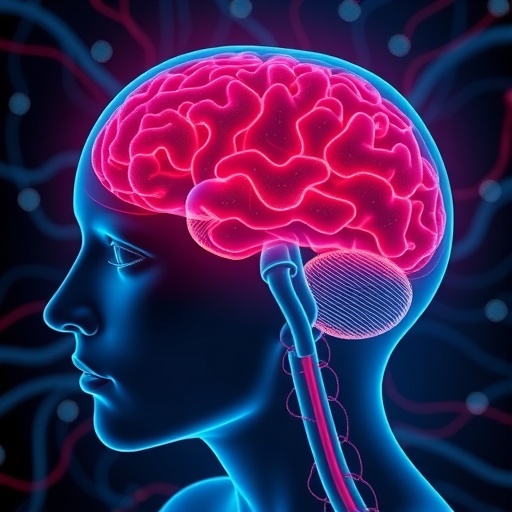
In a groundbreaking study published in Cell Research, scientists have unveiled a critical link between neurovascular coupling within the basolateral amygdala (BLA) and the modulation of negative emotions. This revelation offers an unprecedented glimpse into the complex circuitry underlying emotional regulation and highlights the dynamic interplay between neural and vascular systems in shaping emotional experiences. The findings not only deepen our understanding of the neurobiological foundations of emotions but also pave the way for innovative therapeutic approaches targeting mental health disorders characterized by dysregulated negative affect.
The amygdala, a small almond-shaped structure deep within the temporal lobe, has long been implicated in the processing of emotions, particularly fear and anxiety. While previous research has focused on neuronal activities and synaptic mechanisms within the amygdala, this study shifts the spotlight to a relatively underexplored area: neurovascular coupling. Neurovascular coupling refers to the mechanism by which neuronal activity precipitates localized blood flow changes, ensuring that metabolic demands are met efficiently. In the context of the basolateral amygdala, this coupling appears to play a pivotal role in modulating the intensity and quality of negative emotional states.
The research team, led by Ruan, Quan, Xie, and colleagues, employed cutting-edge in vivo imaging techniques alongside genetically encoded sensors to monitor and manipulate neurovascular dynamics within the BLA of rodent models. Their observations revealed a robust correlation between the magnitude of neurovascular responses and behavioral manifestations of negative emotions such as anxiety-like and depressive-like behaviors. Crucially, they demonstrated that modulating blood flow in this region had a direct causal effect on these emotional states, signifying that the vascular system is more than a mere support network—it is an active participant in emotional processing.
Delving deeper, the study elucidated the cellular and molecular mechanisms that facilitate this neurovascular interplay. Astrocytes, a type of glial cell known for their role in maintaining cerebral homeostasis, were found to be instrumental in translating neuronal signals into vascular responses. Specifically, neuronal activation in the BLA triggered calcium influx in astrocytes, which in turn released vasoactive substances causing local blood vessels to dilate. This cascade ensured the timely delivery of oxygen and nutrients to support heightened neuronal activity associated with processing negative emotions.
Importantly, the researchers uncovered that disrupting this neurovascular coupling—either pharmacologically or genetically—attenuated negative emotional behaviors in animal models. This finding challenges the traditional view that neuron-centric mechanisms exclusively govern emotional regulation and spotlights the neurovascular unit as a promising target for therapeutic intervention. Disorders such as depression, anxiety, and post-traumatic stress disorder (PTSD), which often feature aberrant amygdala activity, might benefit from treatments designed to recalibrate neurovascular interactions.
The use of genetically encoded calcium indicators combined with two-photon microscopy allowed the team to map the spatiotemporal dynamics of neurovascular coupling in unprecedented detail. They identified distinct patterns of vascular response corresponding to varying intensities and durations of negative emotional stimuli. This suggests that the vascular system within the BLA is finely tuned to the emotional context, adopting different response modalities based on the threat level or stress severity perceived by the organism.
Furthermore, the study highlighted the involvement of specific neurotransmitter systems, including glutamatergic and GABAergic signaling, in modulating neurovascular responses. This intricate balance of excitatory and inhibitory inputs shapes the output of the BLA, influencing downstream circuits responsible for behavioral manifestations of emotion. By integrating the vascular dimension into this framework, the researchers offer a more comprehensive model of emotion regulation that transcends classical synaptic paradigms.
The implications of these discoveries extend beyond fundamental neuroscience. Neurovascular coupling in the amygdala may also serve as a biomarker for emotional dysregulation in clinical populations. Non-invasive imaging modalities, such as functional MRI, that detect hemodynamic changes could be refined to assess the functional integrity of amygdala neurovascular coupling in patients suffering from mood and anxiety disorders. Such diagnostic tools would facilitate early detection and personalized intervention strategies.
This pioneering research also opens avenues for exploring how environmental factors, such as chronic stress or inflammation, may impair neurovascular coupling and thereby exacerbate negative emotional states. Understanding these interactions could inform lifestyle or pharmacological approaches aimed at preserving neurovascular health as a preventive measure against emotional disorders. Additionally, this knowledge prompts a re-examination of existing drugs with vascular effects for their potential utility in psychiatric contexts.
One of the intriguing prospects emanating from this work is the possibility of developing neuromodulation techniques targeting the vascular components of the BLA. Techniques like focused ultrasound or photostimulation could be tailored to influence blood flow dynamics selectively, offering new modalities for emotion regulation without directly altering neuronal excitability. Such approaches could minimize side effects commonly associated with pharmacotherapy.
Equally significant is the contribution of this research to the broader conceptual framework of brain function. It reinforces the notion that brain activity is a holistic phenomenon involving not just neurons but also their support systems, including glial cells and vasculature. This integrative perspective aligns with emerging paradigms in neuroscience that emphasize the brain’s complexity as a finely orchestrated network of diverse cellular and systemic components.
The team’s methodological innovations also merit recognition. The integration of live imaging, behavioral assays, and molecular techniques to dissect the neurovascular unit in a behaviorally relevant context represents a technical tour de force. Their approach sets a new standard for investigating the interplay between structure, function, and behavior in neural circuits and inspires future research aiming to unravel the multifaceted nature of brain function.
In summary, the study by Ruan et al. represents a milestone in neuroscience, revealing that neurovascular coupling within the basolateral amygdala is a key modulator of negative emotions. This discovery transforms our understanding of emotional regulation by pinpointing the vascular system as an active player rather than a passive supporter. The insights gleaned from this work stand to influence diagnostics, therapeutics, and conceptual models of brain function, heralding a new era in the study and treatment of emotional disorders.
As research progresses, further exploration of the bidirectional communication between neurons, glia, and vasculature could illuminate additional mechanisms by which the brain integrates multiple modalities to orchestrate the rich tapestry of human emotions. This holistic understanding promises to unlock novel interventions, enhancing mental health and well-being worldwide.
The future of emotional neuroscience is poised to benefit immensely from these findings, underscoring the importance of interdisciplinary research that bridges neurobiology, vascular biology, and behavioral science. Ultimately, tackling the complexity of emotions requires acknowledging the full ensemble of brain actors working in concert—a challenge that this study masterfully undertakes.
Cite Scienmag News
Cassandra Pierce. (May 27, 2026). Neurovascular Coupling in Amygdala Influences Negative Emotions. Scienmag. https://scienmag.com/neurovascular-coupling-in-amygdala-influences-negative-emotions/
Cassandra Pierce. "Neurovascular Coupling in Amygdala Influences Negative Emotions." Scienmag, 27 May 2026, https://scienmag.com/neurovascular-coupling-in-amygdala-influences-negative-emotions/. Accessed 3 September 2026.
Cassandra Pierce. "Neurovascular Coupling in Amygdala Influences Negative Emotions." Scienmag. May 27, 2026. https://scienmag.com/neurovascular-coupling-in-amygdala-influences-negative-emotions/


