


Recent groundbreaking research from Washington University School of Medicine in St. Louis has unveiled the intricate interplay between cancer-related inflammation and the psychological state of motivation within the brain. Historically, the fatigue and lack of enthusiasm that cancer patients exhibit were thought to be direct consequences of their declining physical health and the harsh realities of weight loss encountered during their illness. However, this new study indicates that these behavioral changes are not merely byproducts of physical deterioration but stem from specific inflammation-sensitive neurons in the brain.
The cornerstone of this research lies in a study involving murine models, which are critical in understanding human diseases. Published in the prestigious journal Science, the study details how researchers identified a connection between cancer-associated inflammation, particularly in cases of cachexia—a condition characterized by severe muscle wasting— and a marked decline in motivation. This finding disrupts the traditional view that psychological symptoms like apathy are solely due to the physiological decline associated with late-stage cancer.
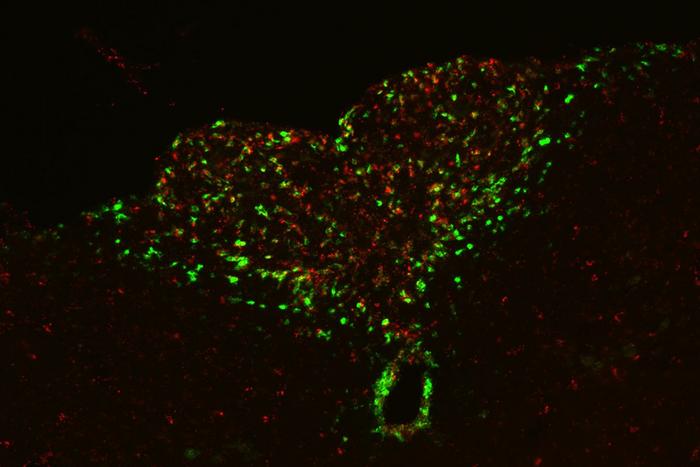
Utilizing a standard mouse model representative of cancer cachexia, the team meticulously mapped the brain structures that are implicated in these behavioral symptoms. One of the focal points of their investigation was a specific area in the brainstem responsible for regulating vital functions, such as heart rate and respiration, which also detects inflammatory signals from the body. The researchers discovered that when levels of interleukin-6 (IL-6)—a pro-inflammatory cytokine—elevated in the bloodstream, it activated neurons in this brainstem region, sending signals that inhibit dopamine release.
Dopamine, often highlighted as a crucial neurotransmitter associated with motivation and reward, plays a fundamental role in driving behaviors. Thus, the suppression of dopamine as a response to inflammatory signals leads to an observable drop in motivation, manifesting as apathy and lack of initiative among the mice. The researchers explored methods to intervene in this inflammation-regulated response by enhancing dopamine levels and inhibiting the activity of the inflammation-sensing neurons.
The implications of their findings are profound. Therapeutic interventions aimed at blocking this neural pathway not only restored motivation in the studied mice but did so without altering the progression of the cancer itself—suggesting that psychological distress can be independently targeted despite ongoing disease. This offers hope for improving the quality of life for individuals suffering from advanced cancer, potentially paving the way for novel treatment approaches that address psychological symptoms directly.
Lead author, Dr. Adam Kepecs, noted the gravity of the discovery, emphasizing that this research sheds light on a previously uncharacterized brain mechanism linking inflammation with motivation loss in cancer patients. The results challenge lingering assumptions and could lead to therapeutic innovations that treat psychological symptoms associated with advanced cancer, separate from the disease process itself.
A striking statistic provided in the research points out that approximately 70% of individuals with advanced cancer contend with cachexia. Beyond the physical ramifications of the illness, these patients frequently endure emotional upheaval marked by extreme fatigue, a pervasive sense of apathy, and motivational deficits that detrimentally affect their overall quality of life. By illuminating the underlying biological mechanisms at play, this research provides an avenue for developing strategies that could mitigate these debilitating symptoms.
In their investigation, the research team employed a multitude of experimental techniques to decipher the neurobiological pathways involved in inflammation-driven apathy. This included the administration of an anti-IL-6 antibody—a treatment akin to existing FDA-approved interventions for rheumatoid arthritis. Remarkably, this approach restored motivation levels in the mice, elucidating a promising method for addressing the psychological dimensions of cancer cachexia.
Understanding that inflammation can lead to a purposeful decrease in motivation during acute illnesses—allowing the body to conserve energy to combat pathogens—Dr. Kepecs and his team recognize the harmful effects that such prolonged apathy can inflict on individuals with chronic conditions like cancer. The persistent suppression of motivational drive could exacerbate overall health and further diminish life quality.
The research expands the traditional scope of how psychological symptoms are perceived in cancer patients, shifting the narrative towards a perspective that acknowledges the biological roots of these issues. It indicates that apathy in advanced cancer is not merely a symptom of physical decline but rather a specific neuroimmune response to inflammation within the brain. This understanding not only opens new doors for treatment possibilities but also empowers healthcare providers to approach patient care holistically.
While this study marks a significant paradigm shift in recognizing the neurobiological underpinnings of cancer-related apathy, ongoing research will be crucial in translating these findings into clinical applications. The potential to devise targeted therapies aimed at the neural circuits involved could revolutionize the management of motivation deficits experienced by cancer patients and improve their quality of life, especially during the late stages of their illness.
In conclusion, as researchers continue to delve into the complexities of the neuroimmune interactions in cancer cachexia, it is essential to foster a comprehensive understanding that integrates biological change, psychological well-being, and treatment approaches. By addressing the inflammation’s role in the brain as a driver of motivational decline, new strategies can be harnessed to uplift the spirits of cancer patients navigating the challenges accompanying their diagnosis.
Cite Scienmag News
Nathaniel Bowman. (April 10, 2025). Neural Pathways Connect Inflammation to Diminished Motivation and Energy in Advanced Cancer Patients. Scienmag. https://scienmag.com/neural-pathways-connect-inflammation-to-diminished-motivation-and-energy-in-advanced-cancer-patients/
Nathaniel Bowman. "Neural Pathways Connect Inflammation to Diminished Motivation and Energy in Advanced Cancer Patients." Scienmag, 10 April 2025, https://scienmag.com/neural-pathways-connect-inflammation-to-diminished-motivation-and-energy-in-advanced-cancer-patients/. Accessed 3 September 2026.
Nathaniel Bowman. "Neural Pathways Connect Inflammation to Diminished Motivation and Energy in Advanced Cancer Patients." Scienmag. April 10, 2025. https://scienmag.com/neural-pathways-connect-inflammation-to-diminished-motivation-and-energy-in-advanced-cancer-patients/


