


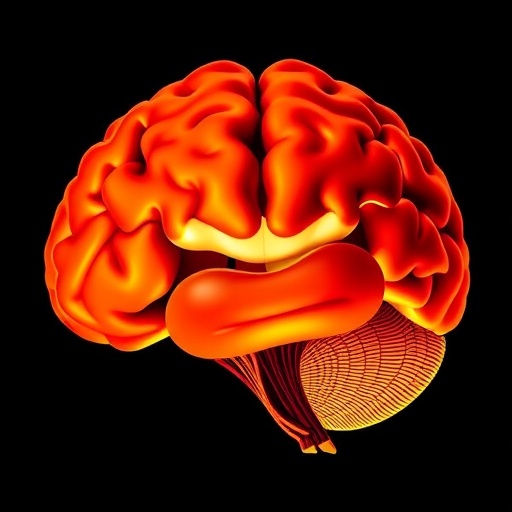
In a groundbreaking study published recently in the Journal of Perinatology, researchers have elucidated new associations between the neonatal brain’s structural characteristics and neurodevelopmental outcomes in infants born very preterm. This research holds the promise of transforming how clinicians assess and predict long-term developmental trajectories in this vulnerable population. Understanding brain architecture at birth could lead to improved prognostic tools and targeted interventions designed to mitigate the impact of early prematurity on cognitive and motor functions.
Very preterm birth, defined as delivery before 32 weeks of gestation, has long been associated with a spectrum of neurodevelopmental challenges, ranging from mild learning difficulties to severe disabilities involving motor coordination and cognitive processing. Despite significant advances in neonatal care increasing survival rates, predicting individual neurodevelopmental outcomes remains a formidable challenge. This study harnesses advanced neuroimaging techniques combined with developmental assessments to bridge that critical gap.
By employing sophisticated magnetic resonance imaging (MRI) within days of birth, the investigators were able to capture detailed three-dimensional views of brain structures with remarkable precision. These images highlighted subtle differences in cortical thickness, white matter integrity, and subcortical volumes that correlated meaningfully with infants’ neurodevelopmental profiles assessed months later. The integration of quantitative neuroimaging biomarkers with early clinical data may open the door to personalized care approaches for these infants.
One of the most compelling findings reported involves the correlation between specific white matter tract abnormalities and subsequent motor development impairments. White matter, which facilitates rapid communication between disparate brain regions, is known to be especially vulnerable to injury during the latter stages of gestation. The study identified that reductions in fractional anisotropy values — a measure of white matter fiber organization — in key sensorimotor pathways were predictive of fine and gross motor deficits observed in follow-up assessments.
Moreover, the authors documented alterations in subcortical structures including the thalamus and basal ganglia, regions integral for sensory integration and motor planning. Variations in the volume and shape of these deep gray matter nuclei showed strong associations with cognitive outcomes related to attention and executive function. These nuanced insights help shed light on the complex neurobiological underpinnings that drive developmental heterogeneity among preterm infants.
The study sample comprised a carefully characterized cohort of very preterm neonates, scanned within the first week of life using high-field MRI scanners optimized for neonatal imaging. Longitudinal neurodevelopmental evaluation was conducted at corrected age intervals using standardized behavioral and neurological testing batteries. This multimodal approach strengthens the validity and clinical relevance of the identified brain–outcome relationships.
Of particular significance is the study’s contribution toward early identification of infants at highest risk for unfavorable neurodevelopmental profiles. Current NICU protocols often rely on clinical risk factors and cranial ultrasound, which lack sensitivity for detecting subtle but consequential brain injuries. Incorporating neonatal MRI biomarkers could revolutionize early prognostication and support the implementation of precision rehabilitation strategies when neuroplasticity is maximal.
Neurodevelopmental trajectories in infants born very preterm are notoriously variable, influenced by a confluence of prenatal, perinatal, and postnatal factors including infection, inflammation, nutritional status, and environmental stimulation. This study advances the field by providing a window into how intrinsic brain structure at birth may serve as a foundational determinant amidst these multifaceted influences. Future research might explore interactions between structural deficits and external modifiers to generate comprehensive predictive models.
Importantly, the authors discuss how their findings relate to emerging therapeutic approaches such as stem cell transplantation and targeted neuroprotective agents, which aim to preserve or restore white matter integrity. Understanding which brain regions and pathways are most vulnerable enables clinicians and researchers to tailor such interventions more effectively. This precision medicine approach could ultimately reduce the lifelong burden of neurodevelopmental disabilities linked to prematurity.
While the results are promising, the investigators acknowledge limitations inherent in neonatal neuroimaging, including motion artifacts and challenges in standardizing measurements across different MRI platforms. They stress the need for replication studies in larger, diverse populations as well as the integration of genetic and environmental data to deepen mechanistic understanding. However, the robust associations uncovered provide a strong foundation upon which future diagnostic and treatment paradigms can be developed.
The impact of very preterm birth on global health systems is substantial, with increased demands on specialized pediatric services and associated socioeconomic costs. Insights gained from studies like this highlight the potential for early brain imaging biomarkers to improve resource allocation by stratifying risk and identifying candidates for intensive therapies. Additionally, they reinforce the importance of investment in neonatal neuroimaging infrastructure and training for widespread clinical adoption.
Clinicians and researchers alike are likely to view this work as a landmark contribution to neonatal neuroscience, capable of informing both bedside decision-making and the design of clinical trials. The identification of reliable imaging correlates of neurodevelopmental outcomes shifts the narrative from reactive management to proactive, data-driven care planning. It exemplifies the power of combining cutting-edge technology with rigorous clinical science to address pressing pediatric health challenges.
The ethical considerations around deploying such neuroimaging technologies also come into focus, particularly regarding parental counseling and the psychological impact of prognostic information. The authors advocate for multidisciplinary care models incorporating neonatologists, neuroradiologists, neuropsychologists, and allied health professionals to ensure balanced communication and support for families navigating complex outcomes.
Overall, the study by Sun, Ge, Leoni, and colleagues exemplifies the potential of neonatal brain imaging to redefine our understanding of very preterm infants’ neurodevelopment. By unveiling specific structural markers associated with later cognitive and motor function, it paves the way for innovative interventions timed to maximize brain plasticity. This research heralds a new era in perinatal neurology, where early detection can translate into better lifelong outcomes for the most fragile patients.
As technology and analytic techniques continue to evolve, integrating machine learning algorithms with neonatal MRI data could further enhance predictive accuracy. Automated segmentation and classification methods might streamline identification of at-risk infants with unparalleled speed and reproducibility. Coupling imaging data with genetic and clinical information may soon yield personalized neurodevelopmental profiles for tailored therapeutic pathways.
The promise of this research resonates beyond individual patients, offering hope to families and healthcare systems burdened by the uncertainty of very preterm birth outcomes. It underscores the critical importance of early brain health and the feasibility of quantifying and interpreting neonatal brain structure with clinical impact. Future endeavors inspired by these findings will undoubtedly continue to unravel the complexities of brain development under adversity, ultimately improving quality of life for millions worldwide.
Sun, Z., Ge, Y., Leoni, M. et al. Associations between neonatal brain structure and neurodevelopmental outcomes following very preterm birth. J Perinatol (2026). https://doi.org/10.1038/s41372-026-02672-3
Cite Scienmag News
Harold Sullivan. (April 15, 2026). Neonatal Brain Structure Links to Preterm Outcomes. Scienmag. https://scienmag.com/neonatal-brain-structure-links-to-preterm-outcomes/
Harold Sullivan. "Neonatal Brain Structure Links to Preterm Outcomes." Scienmag, 15 April 2026, https://scienmag.com/neonatal-brain-structure-links-to-preterm-outcomes/. Accessed 4 September 2026.
Harold Sullivan. "Neonatal Brain Structure Links to Preterm Outcomes." Scienmag. April 15, 2026. https://scienmag.com/neonatal-brain-structure-links-to-preterm-outcomes/


